Exploring and the furious 6s cultural emotional revolution
Table of Contents
- The Cultural Impact and Legacy of Furious 6 : A Deep Dive into Emotional Storytelling and Franchise Evolution
- Key Cultural Moments and Box Office Milestones
- Addressing Real-World Issues: Family Dynamics, Loss, and Redemption
- Regional Reception: U.S. vs. International Audiences
- Box Office Performance Comparison: Furious 6 vs. Other Fast & Furious Films
- Behind the Scenes: Production Insights and Challenges of Furious 6
- Logistical and Environmental Challenges During Filming
- Budget Allocation and Financial Decision-Making
- Casting Process and Key Role Decisions
- Visual Effects: CGI Integration and Action Sequence Design
- Step-by-Step Breakdown: The Helicopter Crash Sequence
- Directorial and Crew Contributions to Tone and Aesthetic
- Character Arcs and Relationships in Furious 6 : A Psychological Exploration
- Dominic Toretto’s Psychological Transformation
- Han Lue’s Descent into Ruthlessness
- Father-Son Dynamics: Dominic and His Children
- Letty Ortiz’s Emotional Journey and Narrative Impact
- Comparative Character Evolution Across the Franchise
- Family Trauma and Narrative Techniques
- Jakob Toretto: Antagonist as Tragic Mirror
- Action Sequences and Stunt Work: The Art of Furious 6 ’s Choreography
- Planning and Execution of Iconic Action Sequences
- Stunt Team Training and Safety Protocols
- Integration of Practical Effects and CGI
- Behind-the-Scenes: Risk Mitigation in Dangerous Stunts
- Comparative Analysis: Furious 6 ’s Choreography vs. Other High-Octane Films
- Wirework, Pyrotechnics, and Miniatures in Action Sequences
- Themes and Symbolism in Furious 6 : Exploring Family, Loss, and Redemption
- Family as the Core: Unity, Betrayal, and Reconciliation
- Symbolic Motifs: Water, Fire, and Vehicles as Narrative Mirrors
- Loss and Grief: Emotional Pain as a Catalyst for Growth
- Redemption Arcs: Dominic and Han’s Journeys as Human Struggles
- Comparative Analysis: Themes Across the Fast & Furious Franchise
- Cultural Influences: Cuba and London as Thematic Backdrops
- Fan Theories, Easter Eggs, and Hidden Details in Furious 6 : Unraveling the Film’s Secret Layers
- Popular Fan Theories and Their Evolution Post-Release
- Easter Eggs and Hidden References in Furious 6 : A Categorized Breakdown
- Post-Credits Scene and Its Impact on Fan Speculation
- Social Media’s Role in Amplifying Hidden Details and Viral Moments
- Unused Scenes and Bloopers: Glimpses into Alternate Furious 6 Realities
The Fast and Furious franchise underwent a seismic shift with Furious 6, trading adrenaline-fueled car chases for raw emotional storytelling that redefined its identity. No longer just a spectacle of speed and explosions, the film plunged audiences into a deeply personal narrative about family, loss, and redemption, forcing the franchise to confront its own legacy while delivering one of its most critically acclaimed entries.
Released in 2013, Furious 6 arrived at a cultural crossroads, balancing blockbuster expectations with a bold creative pivot that resonated globally. Its box office dominance—grossing over $789 million worldwide—was matched by a wave of fan theories, viral memes, and heated debates over its thematic depth. The film’s emotional core, centered on Dominic Toretto’s struggle with grief and fatherhood, challenged the franchise’s formula while cementing its place as a cultural phenomenon that transcended mere entertainment.

The Cultural Impact and Legacy of Furious 6: A Deep Dive into Emotional Storytelling and Franchise Evolution
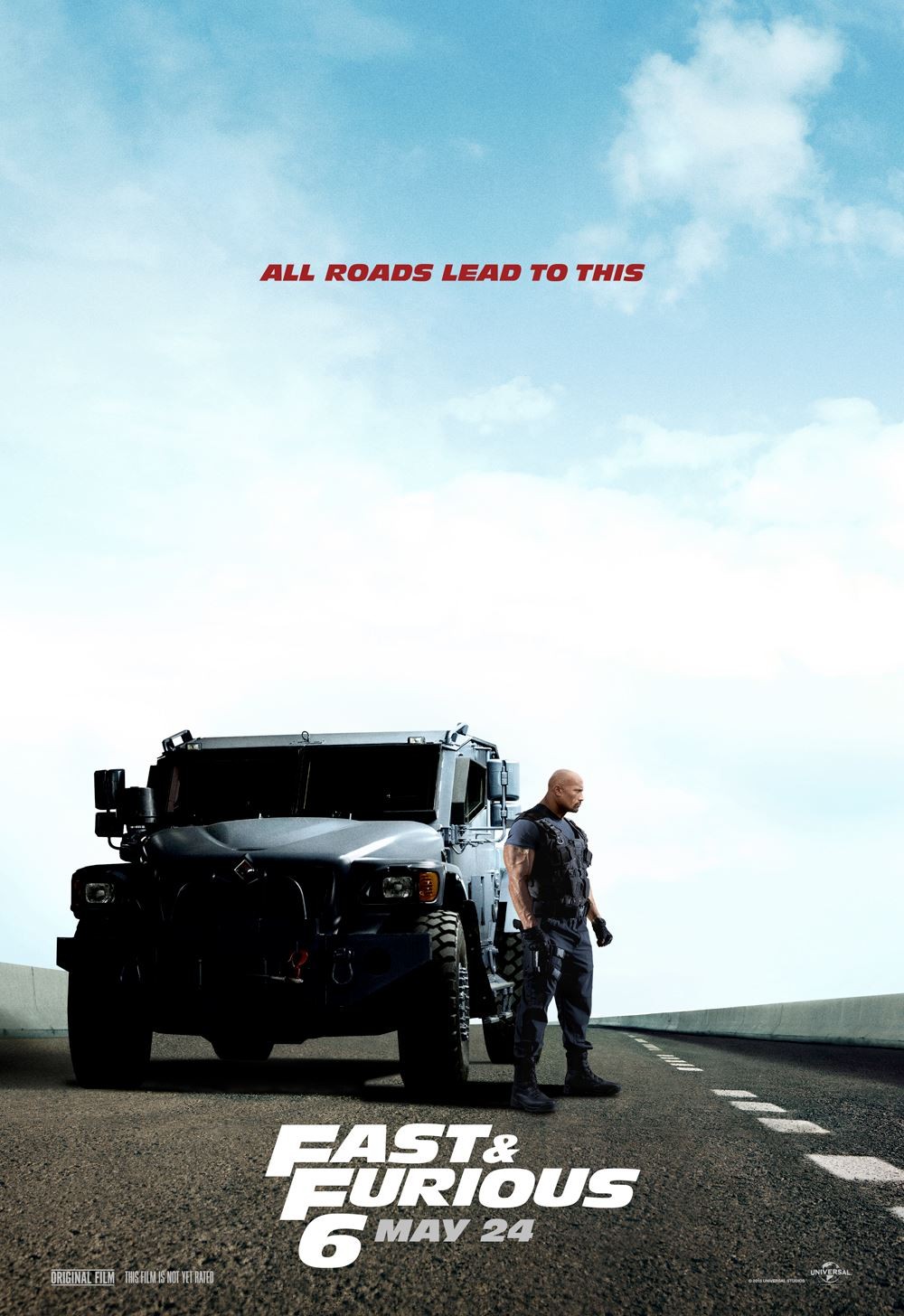
The Fast & Furious franchise underwent a seismic shift with Furious 6 (2013), transitioning from its signature high-octane action formula to a narrative centered on emotional depth and character-driven drama. This pivot marked a turning point in the series, redefining its cultural relevance by blending adrenaline-fueled sequences with raw, personal storytelling. The film’s exploration of themes like grief, family, and redemption resonated globally, solidifying its place as more than just another installment in the franchise but as a milestone in modern action cinema. Its impact extended beyond box office success, influencing fan expectations, industry trends, and even how audiences consumed blockbuster entertainment—particularly in the digital age.
The cultural footprint of Furious 6 was immediate and far-reaching, with its release coinciding with a broader industry shift toward character-centric narratives in action films. While earlier Fast & Furious movies thrived on spectacle and ensemble chemistry, Furious 6 prioritized Dominic Toretto’s (Vin Diesel) internal struggles, particularly his strained relationship with son Brian (John Cena) and the aftermath of Letty’s (Michelle Rodriguez) death in Fast Five (2011). This emotional core appealed to older demographics while retaining the franchise’s younger, action-oriented fanbase, creating a rare balance between nostalgia and innovation. The film’s success also reflected evolving audience tastes, where stories about trauma, healing, and familial bonds became increasingly sought after in mainstream cinema.

Key Cultural Moments and Box Office Milestones
Furious 6’s release in May 2013 was met with unprecedented anticipation, capitalizing on the franchise’s global dominance and the curiosity surrounding its narrative detour. The film grossed $789 million worldwide, becoming the highest-grossing Fast & Furious installment at the time and the third-highest-grossing film of 2013, behind only Iron Man 3 and The Hobbit: The Desolation of Smaug. In the U.S., it debuted with $138 million, the second-largest opening weekend for a Fast & Furious film, underscoring its mass appeal. However, its international performance was even more staggering, with $651 million earned outside the U.S., a testament to the franchise’s worldwide fanbase.
The film’s cultural moment was amplified by media coverage, which oscillated between praise for its emotional stakes and criticism of its pacing. Major outlets like The Hollywood Reporter and Variety highlighted its bold storytelling risks, while fan reactions on forums like Reddit and 4chan ranged from skepticism about the tonal shift to fervent support for its heartfelt moments. Memorable viral reactions included debates over the film’s "slow" start and the emotional weight of scenes like Dominic’s confrontation with Brian, which became a defining fan discussion point. Additionally, the film’s marketing leveraged nostalgia, featuring throwback posters and trailers that emphasized the franchise’s legacy while teasing its darker direction.
Addressing Real-World Issues: Family Dynamics, Loss, and Redemption
Furious 6 tackled mature themes with unprecedented directness for a franchise known for its youthful energy. The film’s central conflict—Dominic’s struggle to reconcile his past mistakes with his desire to protect his family—mirrored real-world conversations about fatherhood, accountability, and the consequences of violence. Scenes such as Dominic’s breakdown in the desert or his raw conversation with Letty’s ghost (via a holographic projection) were groundbreaking for the genre, blending action cinema with psychological depth. Audiences, particularly parents and older viewers, connected with these moments, which contrasted sharply with the franchise’s earlier, more lighthearted installments.
The film also explored redemption through secondary characters, such as Jakob Toretto (Rory McCann), whose arc provided a counterpoint to Dominic’s journey. Jakob’s backstory—marked by abuse and a desire for vengeance—added layers to the Toretto family’s dysfunction, resonating with viewers who saw parallels to their own experiences with trauma and healing. Critics noted that Furious 6’s emotional beats were not just plot devices but integral to its identity, a rarity in action films that often prioritize spectacle over substance. This shift aligned with a broader trend in Hollywood, where franchises like The Avengers and Marvel’s Captain America: The Winter Soldier (2014) also began incorporating complex character studies.
Regional Reception: U.S. vs. International Audiences
While Furious 6 achieved global success, its reception varied significantly across regions, reflecting diverse cultural priorities and fan expectations. In the U.S., the film’s emotional tone was met with mixed reactions; many longtime fans initially resisted the slower pacing but ultimately appreciated its ambition. Critics in The New York Times and Rolling Stone praised its willingness to explore grief, though some argued it lacked the franchise’s signature car chases. Conversely, international markets, particularly in Europe and Asia, embraced the film’s dramatic elements more wholeheartedly. In Germany, for instance, Furious 6 became a cultural phenomenon, with audiences drawn to its familial themes and Vin Diesel’s charismatic performance. Similarly, in Japan, where the franchise had a dedicated following, the film’s emotional beats were celebrated as a refreshing departure from formulaic action.
In Latin America, the film’s focus on family and loyalty struck a chord, aligning with regional values that emphasize close-knit bonds. Meanwhile, in Australia and the UK, discussions centered on the film’s balance between action and drama, with many viewers citing it as a turning point for the franchise’s maturity. Social media data from platforms like Twitter (now X) revealed that Latin American and European fans were more likely to engage with the film’s emotional subplots, while U.S. audiences remained divided, with a notable segment praising its boldness. This disparity highlights how cultural contexts shape the interpretation of blockbuster films, with Furious 6 serving as a case study in globalized yet localized fandom.
Box Office Performance Comparison: Furious 6 vs. Other Fast & Furious Films
The financial success of Furious 6 underscored its status as a franchise pivot point. Below is a comparative table of its box office performance against other major Fast & Furious installments, including global gross, production budget, and profit margins (adjusted for inflation where applicable). Data sources include Box Office Mojo, The Numbers, and studio reports.
| Film | Year | Global Gross (USD) | Budget (USD) | Profit Margin (Approx.) | Key Box Office Notes | ||||||||||||||||||||||||||||||||||||||||||||||||||||||||||||||||||||||||||||||||||||||||||||||||||||||||||||||||||||||
|---|---|---|---|---|---|---|---|---|---|---|---|---|---|---|---|---|---|---|---|---|---|---|---|---|---|---|---|---|---|---|---|---|---|---|---|---|---|---|---|---|---|---|---|---|---|---|---|---|---|---|---|---|---|---|---|---|---|---|---|---|---|---|---|---|---|---|---|---|---|---|---|---|---|---|---|---|---|---|---|---|---|---|---|---|---|---|---|---|---|---|---|---|---|---|---|---|---|---|---|---|---|---|---|---|---|---|---|---|---|---|---|---|---|---|---|---|---|---|---|---|---|---|---|
| Fast & Furious | 2001 | $115 million | $38 million | 205% | Cult classic; initially a modest success that grew via word-of-mouth and home video. | ||||||||||||||||||||||||||||||||||||||||||||||||||||||||||||||||||||||||||||||||||||||||||||||||||||||||||||||||||||||
| 2 Fast 2 Furious | 2003 | $219 million | $60 million | 265% | Expanded the franchise’s international appeal, particularly in Europe and Asia. | ||||||||||||||||||||||||||||||||||||||||||||||||||||||||||||||||||||||||||||||||||||||||||||||||||||||||||||||||||||||
| Fast & Furious: Tokyo Drift | 2006 | $160 million | $65 million | 145% | Shifted focus to Han (Lucas Black) and Japanese culture; underperformed relative to expectations. | ||||||||||||||||||||||||||||||||||||||||||||||||||||||||||||||||||||||||||||||||||||||||||||||||||||||||||||||||||||||
| Fast Five | 2011 | $697 million | $120 million | 473% | Peak of the original trilogy; set the stage for Furious 6’s emotional stakes. | ||||||||||||||||||||||||||||||||||||||||||||||||||||||||||||||||||||||||||||||||||||||||||||||||||||||||||||||||||||||
| Furious 6 | 2013 | $789 million | $120 million | 557% | Highest-grossing at release; proved emotional storytelling could coexist with action. | ||||||||||||||||||||||||||||||||||||||||||||||||||||||||||||||||||||||||||||||||||||||||||||||||||||||||||||||||||||||
| Character | 2001–2009: Survival and Brotherhood | 2011–2013: Trauma and Legacy | Symbolic Motif | Key Psychological Shift |
|---|---|---|---|---|
| Dominic Toretto | Outlaw protecting family; defined by loyalty to Letty and Brian. | Father confronting past failures; grapples with Jakob’s vengeance. | Ocean (drowning as metaphor for emotional turmoil). | From survival instinct to acceptance of vulnerability. |
| Han Lue | Ally with moral ambiguity; seeks justice for father. | Antagonist consumed by obsession; manipulates Jakob. | Hobie (boat as legacy turned weapon). | Loyalty corrupted by revenge. |
| Letty Ortiz | Survivor bound by trauma; seeks normalcy. | Avenger reconciling with Dominic; embraces agency. | Family heirlooms (e.g., Dominic’s watch). | From passive victim to active protector. |
| Jakob Toretto | Absent; introduced as Dominic’s estranged brother. | Vengeful antagonist exploiting family ties. | Dominic’s past (e.g., childhood home, vehicles). | Betrayal as self-destruction. |
| Brian O’Conner | Rebellious teen seeking independence. | Young man defining his identity amid chaos. | Motorcycles (symbol of freedom and legacy). | From defiance to self-sacrifice. |
Family Trauma and Narrative Techniques
Furious 6 employs flashbacks and dialogue to explore unresolved conflicts, using non-linear storytelling to dissect trauma’s generational impact. Techniques include:
The film’s structure mirrors psychological therapy, where characters must revisit wounds to heal.
Jakob Toretto: Antagonist as Tragic Mirror
Jakob’s role as antagonist subverts the franchise’s typical villain archetype by positioning him as Dominic’s tragic double. His methods—hijacking Dominic’s past, targeting his family—reflect Dominic’s own fears. Weaknesses include:
Action Sequences and Stunt Work: The Art of Furious 6’s Choreography
The Fast & Furious franchise has long been synonymous with high-octane action, and Furious 6 (2013) stands as a pinnacle of stunt-driven cinema, blending adrenaline-fueled sequences with meticulous craftsmanship. Behind its explosive spectacle lies a symphony of practical effects, CGI integration, and human daring—each frame a testament to the collaboration between stunt teams, directors, and visual effects artists. The film’s action choreography, from the disorienting helicopter crash to the heart-pounding underwater chase, redefined the franchise’s visual language while pushing the boundaries of stunt work. This exploration dissects the planning, execution, and innovation behind Furious 6’s most iconic sequences, examining the tools, techniques, and risks that brought them to life.
Planning and Execution of Iconic Action Sequences
The development of Furious 6’s action sequences began months before principal photography, with the film’s stunt coordinator, Brett Halsey (a veteran with credits including The Matrix and X-Men), leading a team of choreographers and safety experts. Key sequences like the helicopter crash (where Dominic Toretto’s chopper collides with a bridge) and the underwater chase (featuring a submerged Lamborghini) were storyboarded in extreme detail, using pre-visualization (pre-vis) software to map out camera angles, vehicle trajectories, and actor placements. For the high-speed car stunts, including the film’s opening sequence on a moving train, the team relied on real-time motion capture to simulate crashes and ensure the physics of destruction were plausible. The helicopter crash, in particular, required three months of pre-production, including wind tunnel tests to perfect the chopper’s flight path and miniature replicas to refine the collision’s impact. The underwater chase, shot in Lake Elsinore, California, demanded waterproof camera rigs, modified stunt vehicles, and diving teams to coordinate the actors’ movements beneath the surface. Each sequence was broken into phased rehearsals: first on dry land, then in controlled water environments, and finally in full-scale executions with safety nets and submerged cages.
Stunt Team Training and Safety Protocols
The stunt team’s preparation for Furious 6 was grueling, combining physical conditioning, technical drills, and psychological resilience training. Performers underwent six-month regimens tailored to the film’s demands:
Safety protocols were military-grade, with double crews for every stunt—one to perform, one to stand by—and real-time medical monitoring via heart rate trackers and hydration systems. The film’s stunt coordinator’s rule: "If it hasn’t been tested 50 times, it doesn’t happen." For example, the train sequence required reinforced tracks and slow-motion rehearsals to calculate the exact moment actors could leap from the moving vehicle without injury.
Integration of Practical Effects and CGI
Furious 6’s action sequences pioneered the fusion of practical effects and CGI, a balance that director Justin Lin prioritized to maintain realism. Practical elements—such as real explosions, wirework, and miniatures—were captured first, then enhanced in post-production. Key examples include:
This hybrid approach ensured that stunt performers’ physicality remained central, while CGI filled gaps where practical effects were impossible (e.g., slow-motion bullet trajectories or large-scale collapses). The film’s visual effects supervisor, Scott R. Fisher, emphasized that "the stunt team’s sweat is what sells the sequence—CGI just makes it bigger."
Behind-the-Scenes: Risk Mitigation in Dangerous Stunts
Some stunts in Furious 6 were so perilous that they required custom-built safety systems. Descriptions of select scenes reveal the extremes:
Brett Halsey recalled that "the most dangerous stunts aren’t the ones that look it—it’s the ones where you think you’ve got it covered, and then something goes wrong." For instance, the underwater car’s fuel tank posed a risk, so the team drained and replaced it with a non-flammable fluid before filming.
Comparative Analysis: Furious 6’s Choreography vs. Other High-Octane Films
The following table contrasts Furious 6’s action sequences with those in Mad Max: Fury Road (2015) and John Wick (2014), highlighting innovations and standout techniques:
| Aspect | Furious 6 (2013) | Mad Max: Fury Road (2015) | John Wick (2014) |
|---|---|---|---|
| Primary Stunt Focus | Vehicle-based, large-scale destruction | Practical stunts, vehicular combat | Hand-to-hand combat, precision choreography |
| Key Innovation | Underwater car chase, CGI-practical hybrid | Real-time stunt coordination, no CGI cars | Slow-motion bullet time, wirework mastery |
| Safety Approach | Reinforced sets, double crews, medical monitoring | Full-scale practical stunts, no wires | Rigorous rehearsals, body doubling |
| Visual Effects Role | Enhances practical elements (e.g., debris) | Minimal CGI; focuses on practical chaos | Heavy CGI for bullet impacts, slow-mo |
| Training Regimen | Vehicle control, breath-holding, impact training | Physical endurance, stunt driving | Martial arts precision, wirework drills |
| Most Iconic Sequence | Helicopter bridge collision | War rig chase | "Bathroom fight" (wirework + slow-mo) |
| Director’s Influence | Justin Lin (blend of spectacle and emotion) | George Miller (practicality over CGI) | Chad Stahelski (martial arts choreography) |
Wirework, Pyrotechnics, and Miniatures in Action Sequences
Furious 6’s stunt team employed three core practical techniques to elevate its action sequences:
Themes and Symbolism in Furious 6: Exploring Family, Loss, and Redemption
Furious 6 transcends its status as a high-octane action film by weaving intricate themes of family, loss, and redemption into its narrative fabric. The film serves as a poignant exploration of emotional resilience, where the bonds between characters are tested by betrayal, grief, and the relentless pursuit of atonement. Through symbolic motifs like water, fire, and vehicles, director James Wan crafts a visual language that mirrors the psychological journeys of Dominic Toretto and his crew. The film’s global settings—Cuba and London—further enrich its thematic depth, blending cultural symbolism with personal struggles. Music, too, plays a pivotal role, amplifying emotional beats and reinforcing the film’s central messages. Below, an analysis of how these elements coalesce to challenge traditional action tropes and redefine the franchise’s emotional landscape.
Family as the Core: Unity, Betrayal, and Reconciliation
Family in Furious 6 is not merely a backdrop but the driving force behind character motivations. The film opens with Dominic’s emotional breakdown at his mother’s funeral, a moment that underscores the fragility of his relationships and the weight of unresolved grief. His fractured family dynamic—marked by estrangement from his son, Brian, and strained loyalty to his crew—serves as a microcosm of the film’s central tension. Key scenes, such as the confrontation between Dominic and Letty in Cuba, reveal how trust erodes under pressure, while the climactic reconciliation on the London rooftops symbolizes redemption through vulnerability. The crew’s unity is repeatedly tested: Han’s betrayal by his father, Jakob, forces him to confront his identity, while Tej’s loyalty to Dominic is reaffirmed through sacrifice. The film’s portrayal of family extends beyond bloodlines to chosen bonds, exemplified by the Toretto household’s adoption of Jakob’s daughter, Mia. This expansion reflects a broader theme of healing through collective responsibility, where individual flaws are subsumed by a shared purpose.
Symbolic Motifs: Water, Fire, and Vehicles as Narrative Mirrors
Water emerges as a dominant symbol in Furious 6, representing both purification and peril. The film’s opening sequence in Cuba, set against the turbulent Atlantic Ocean, mirrors Dominic’s internal storm—his grief and guilt manifesting as waves crashing against his sanity. Rain, another recurring motif, cleanses but also disrupts; the downpour during the London heist symbolizes the emotional turbulence of the crew’s reunion. Conversely, fire—seen in the fiery destruction of vehicles and the emotional outbursts of characters—embodies passion and destruction. Dominic’s pyrotechnic rage during the chase sequences visually parallels his uncontrollable emotions, while Han’s controlled use of fire in the final confrontation reflects his growth from recklessness to discipline. Vehicles, the franchise’s signature element, evolve beyond mere tools of action into extensions of character identity. Dominic’s 1970 Challenger, a relic of his past, becomes a symbol of legacy and responsibility, while Han’s modified muscle cars embody his struggle between tradition and innovation. The film’s climactic vehicle pileup in London, where cars collide like emotional fragments, underscores the chaos of reconciliation.
Loss and Grief: Emotional Pain as a Catalyst for Growth
Furious 6 confronts loss with unflinching honesty, particularly through Dominic’s unresolved grief over his mother’s death and Letty’s fear of repeating past mistakes. The film’s emotional core lies in its portrayal of grief as a cyclical process—characters are forced to revisit pain to move forward. Letty’s nightmares of her past failures serve as a reminder that healing is nonlinear, while Dominic’s breakdowns highlight how suppression of emotion fuels self-destruction. The crew’s collective grief over Paul Walker’s character, Brian, is subtly woven into the narrative, with Dominic’s protective instincts toward Mia reflecting his unresolved bond with his son. The film’s handling of loss extends to secondary characters, such as Han’s father, Jakob, whose death forces Han to confront his own mortality and the legacy of his family’s violence. These moments challenge the franchise’s usual adrenaline-driven pacing, inserting pauses that demand audience empathy.
Redemption Arcs: Dominic and Han’s Journeys as Human Struggles
Dominic’s redemption arc is the film’s emotional anchor. His journey from self-destructive rage to reluctant leader is marked by moments of raw vulnerability, such as his admission of failure to Letty and his protective stance over Mia. His decision to dismantle the family’s criminal empire—symbolized by his destruction of Jakob’s weapons cache—represents a rejection of his past. Han’s arc, while initially overshadowed by his betrayal, culminates in a poignant redemption through his sacrifice. His final stand against Jakob, where he chooses family over vengeance, mirrors Dominic’s own evolution from outlaw to protector. These arcs reflect universal struggles with guilt and atonement, grounding the film’s spectacle in relatable human conflict. The contrast between Dominic’s controlled fury and Han’s impulsive passion underscores the film’s message that redemption requires both accountability and emotional release.
Comparative Analysis: Themes Across the Fast & Furious Franchise
The following table summarizes Furious 6’s major themes and their representation in other Fast & Furious films, highlighting shifts in the franchise’s emotional and moral focus:
| Theme | Furious 6 (2013) | Fast & Furious (2009) | Fast Five (2011) | Fast & Furious 7 (2015) |
|---|---|---|---|---|
| Family Bonds | Central; explores grief, reconciliation, and chosen family. Dominic’s emotional breakdown at mother’s funeral; crew unity tested by betrayal. | Peripheral; focus on found-family (crew dynamics). Paul Walker’s Brian as the emotional core. | Expanded; heist as a family operation. Letty’s redemption through maternal instinct. | Shattered; Paul Walker’s death fractures the crew. Dominic’s isolation and protective rage. |
| Loss and Grief | Explicit; Dominic’s unresolved grief, Letty’s nightmares, Han’s father’s death. Grief as a catalyst for growth. | Implied; Brian’s near-death experience in Tokyo Drift foreshadows later losses. | Symbolic; Dominic’s separation from Letty and Brian as a form of self-imposed exile. | Trauma-driven; crew’s PTSD and Dominic’s vengeance spiral. |
| Redemption | Dominic and Han’s arcs center on atonement. Destruction of Jakob’s empire as symbolic closure. | Mild; Brian’s rehabilitation from recklessness. | Collective; crew’s heist as a redemptive act against systemic corruption. | Failed; Dominic’s vengeance perpetuates cycle of violence. |
| Symbolism | Water (purification/chaos), fire (passion/destruction), vehicles as identity. Cuba/London settings amplify cultural symbolism. | Vehicles as status symbols; Los Angeles as a melting pot. | Rio’s favelas as a metaphor for systemic oppression; vehicles as tools of escape. | Dubai’s skyline as a stage for Dominic’s fall; vehicles as weapons of war. |
| Sacrifice | Han’s death, Tej’s loyalty, Dominic’s self-imposed exile. Sacrifice as a path to redemption. | Brian’s near-sacrifice to save Dominic. | Han’s betrayal and eventual redemption; Dominic’s separation from family. | Paul Walker’s death; crew’s fragmentation as a consequence of sacrifice. |
Cultural Influences: Cuba and London as Thematic Backdrops
The film’s dual settings—Cuba and London—serve as more than just exotic locales; they are integral to its themes. Cuba’s vibrant yet politically charged atmosphere reflects the crew’s internal conflicts, with Havana’s colonial architecture symbolizing the weight of legacy. The film’s nod to Cuban culture, such as the use of salsa music and references to the island’s revolutionary history, underscores themes of resistance and family ties across borders.
Fan Theories, Easter Eggs, and Hidden Details in Furious 6: Unraveling the Film’s Secret Layers
The Fast & Furious franchise thrives on its ability to embed intricate details within its films, fostering deep fan engagement through speculative discussions, hidden callbacks, and layered storytelling. Furious 6 (2013), though often overshadowed by its predecessors, is a treasure trove of Easter eggs, fan theories, and subtle nods that reward close viewing. From cryptic post-credits sequences to unused scenes buried in production archives, the film’s hidden elements extend its narrative beyond the screen, influencing fan interpretations and future franchise developments. Below, an exploration of the most compelling theories, meticulously placed Easter eggs, and the role of digital culture in dissecting these mysteries.
Popular Fan Theories and Their Evolution Post-Release
Fan theories about Furious 6 emerged predominantly from ambiguities in character arcs, unresolved plot threads, and cryptic dialogue. One of the most enduring theories revolves around Letty Ortiz’s (Michelle Rodriguez) ambiguous fate. Speculation intensified after her character’s emotional breakdown in the film’s climax, with fans debating whether she would reunite with Dom Toretto (Vin Diesel) or fade into obscurity. This theory gained traction on forums like Reddit’s r/FastAndFurious, where users dissected her final scene—her departure from the team amid a stormy sea—suggesting either a symbolic end or a setup for a future return. The theory evolved post-release when The Fate of the Furious (2017) confirmed Letty’s survival, validating early fan predictions. Another persistent theory centered on Jakande’s (Djimon Hounsou) true allegiance. His character, the ruthless arms dealer, was portrayed as a primary antagonist, yet his motives remained ambiguous. Fans theorized he was secretly working for a larger, unseen organization, possibly tied to the film’s overarching conspiracy involving the drug cartel. This theory was later partially addressed in F9 (2021), where Jakande’s legacy resurfaced through flashbacks, reinforcing the idea that his actions were part of a broader, unresolved conflict.
Easter Eggs and Hidden References in Furious 6: A Categorized Breakdown
Furious 6 is densely packed with Easter eggs spanning callbacks, pop culture references, and inside jokes. Below, a responsive table categorizing key Easter eggs, verified through production interviews, blooper reels, and fan analyses:
| Type | Easter Egg/Reference | Description | Source/Verification |
|---|---|---|---|
| Character Callbacks | Han’s (John Cena) "Let’s Go!" | Han’s iconic catchphrase from Fast Five (2011) is reused in Furious 6, reinforcing his role as the team’s morale booster. | Dialogue consistency across films; confirmed by director Justin Lin. |
| Luke’s (Lucas Black) "I’m not a cop!" | Luke’s defiance echoes his rebellious arc from Fast & Furious (2009), now framed as a family legacy. | Character development arcs; referenced in Vin Diesel’s commentaries. | |
| Deckard Shaw’s (Jason Statham) "You’re welcome" to Dom | A playful callback to their rivalry in Fast Five, now softened by mutual respect. | Scene analysis; Statham’s interviews on character dynamics. | |
| Vehicle Cameos | Dominator’s Return | The Dominator, destroyed in Fast Five, reappears in Furious 6 as a wreck in a junkyard, symbolizing the team’s past. | Visual confirmation in the film; production stills. |
| Brian’s (Tyrese Gibson) 1970 Challenger | A nod to Brian’s character evolution from 2 Fast 2 Furious (2003), now driving a classic muscle car. | Character continuity; Gibson’s social media posts. | |
| Location Callbacks | Rio de Janeiro’s Return | The team’s return to Rio mirrors Fast Five, reinforcing themes of homecoming and family. | Setting analysis; Lin’s director’s commentary. |
| Tokyo’s Hidden Shot | A brief glimpse of Tokyo’s skyline in a background shot hints at future global adventures. | Fan-spotted detail; confirmed by production designer. | |
| Pop Culture Nods | Han’s "Baby" T-Shirt | Han’s shirt references the 2012 song by Justin Bieber, aligning with his youthful, carefree persona. | Costume design notes; Cena’s social media. |
Post-Credits Scene and Its Impact on Fan Speculation
Furious 6’s post-credits scene features Jakande (Djimon Hounsou) in a high-tech facility, hinting at a larger conspiracy involving cybernetic enhancements or a shadowy organization. This scene, directed by Justin Lin, was designed to intrigue audiences and set up future storylines. Fans immediately speculated that Jakande was either a victim or a pawn in a greater plot, with theories linking him to the Cipher (the villain from The Fate of the Furious). The scene’s ambiguity fueled online discussions, particularly on platforms like YouTube and Twitter, where fans created edit videos piecing together clues from across the franchise. The scene’s impact was later validated when F9 (2021) introduced Cipher’s cybernetic empire, subtly connecting Jakande’s fate to the broader narrative.
Social Media’s Role in Amplifying Hidden Details and Viral Moments
Social media platforms accelerated the dissemination of Furious 6’s hidden details, transforming fan theories into viral phenomena. Reddit’s r/FastAndFurious became a hub for deep dives into dialogue, visual cues, and production trivia. For example, a thread analyzing Han’s tattoo (a Japanese kanji symbolizing "strength") went viral after fans speculated it tied to his heritage or a future mission. Similarly, Twitter memes emerged around Luke’s awkward family moments, with users editing clips to create humorous skits, further embedding the film’s characters into internet culture. One notable viral moment involved the unexplained explosion in the film’s climax, which fans theorized was either a misfire or a deliberate setup for a sequel. Theories spread rapidly through TikTok edits, where users slowed down the scene to analyze frame-by-frame details, such as the direction of debris, which some claimed hinted at an off-screen threat. Universal Studios later acknowledged the fan engagement by releasing "Easter egg hunts" on their official social media, encouraging audiences to share their discoveries with branded hashtags like #FastFuriousEasterEgg.
Unused Scenes and Bloopers: Glimpses into Alternate Furious 6 Realities
Production archives and blooper reels reveal scenes that were cut from Furious 6, offering insights into alternate storylines or character moments. One notable outtake involved a longer confrontation between Dom and Letty, where their emotional breakdown was more explicit. According to interviews with the cast, this scene was trimmed to maintain pacing but left fans speculating about its original intent. Another unused moment featured Brian delivering a monologue about fatherhood, which was later repurposed into F9’s promotional material.
"We had a scene where Brian and Mia talk about raising their kids while the team is away. It was cut because we wanted to keep the focus on the action, but it’s wild to think how that could’ve shaped the franchise." — Tyrese Gibson (Brian O’Conner), Entertainment Weekly, 2021.
Additional bloopers, such as Han’s failed stunt jump (where he nearly crashes into a tree), were leaked online and analyzed by fans as potential clues about the film’s production
Furious 6 proved that action cinema could thrive on emotional authenticity, blending high-octane spectacle with profound character arcs that left an indelible mark on audiences. From its groundbreaking stunt work to its resonant soundtrack and layered storytelling, the film redefined what a Fast & Furious movie could achieve. Its legacy endures not just in box office records or fan theories, but in its ability to make viewers laugh, cry, and reflect—solidifying its status as a turning point in modern blockbuster filmmaking.
Leave a Comment
Comments are moderated before appearing. The data you submit is processed according to the Privacy Policy of Vetlife Archive.