green parrot key west iconic species culture ecology adventure
Table of Contents
- Green Parrots in Key West: The Cultural and Ecological Icons of Florida’s Southern Frontier
- Physical Traits and Behavioral Patterns of the Cuban Parakeet
- Ecological Role of Green Parrots in Key West’s Ecosystem
- Comparative Analysis: Cuban Parakeet vs. Other Green Parrots
- Where to Spot Green Parrots in Key West: Best Locations and Tips for Wildlife Enthusiasts
- Top Five Locations for Green Parrot Sightings
- Geographic Map Outline of Key West Parrot Hotspots
- Photographing Green Parrots: Techniques and Ethical Guidelines
- Conservation Status and Efforts: Protecting Key West’s Green Parrot Population
- Current Conservation Status and Regulatory Framework
- Ongoing Conservation Programs: A Step-by-Step Breakdown
- Success Stories and International Collaborations
- Threats to the Cuban Parakeet and Mitigation Strategies
- Citizen Science and Public Participation in Parrot Conservation
- Green Parrots in Key West’s Art, Media, and Tourism: A Cultural Phenomenon
- Immortalized in Key West’s Art Scene: Murals, Sculptures, and Galleries
- Parrot-Themed Merchandise: Souvenirs That Fuel the Local Economy
- Film, Television, and Literature: Parrots as Symbols of Key West’s Charm
- Timeline of Parrot-Related Cultural Events in Key West
- Social Media Amplification: Viral Parrots and Digital Influence
- Traditional vs. Modern Depictions: Evolving Perceptions of Key West Parrots
- Interactive Experiences with Key West’s Green Parrots: Engagement, Conservation, and Education
- Ethical Feeding Guidelines for Wild Parrots in Key West
- Volunteer Opportunities with Local Conservation Organizations
- Educational Programs for Children and Adults
- Beyond Key West: Green Parrots in Florida and the Caribbean
- Geographic Distribution and Ecological Zones
- Comparative Analysis: Florida vs. Caribbean Populations
- Travel Tips for Spotting Green Parrots Outside Key West
- Conservation Collaborations Across Regions
- Ecological Adaptations: Florida vs. Caribbean Parrots
- Map-Based Outline of Key Locations
Few symbols embody Key West’s wild charm as vividly as its feathery residents, the Cuban Parakeets that flutter through palm-lined streets and whisper legends into the island’s salty breeze. These emerald-winged ambassadors, thriving against the odds, are more than just a tourist postcard—they are a living thread in Key West’s ecological tapestry and a cultural icon stitched into folklore, art, and the island’s very identity. Their arrival centuries ago marked a quiet revolution, transforming the city from a sleepy outpost into a haven where nature and myth collide in vibrant green.
The Cuban Parakeet (Psittacara chloropterus), with its sunlit plumage and raucous calls, has carved a niche in Key West’s heart, outlasting hurricanes and human encroachment to become an unlikely guardian of the island’s soul. Unlike their tropical cousins, these parrots have adapted to urban life, nesting in mangroves and perching on lampposts with equal ease, their presence a daily reminder of Florida’s untamed spirit. Yet their story is far from simple—a tale of resilience, conservation battles, and the delicate balance between human curiosity and ecological preservation. From the pages of local lore to the lenses of wildlife photographers, these parrots offer a window into Key West’s past, present, and the fragile future of its natural heritage.

Green Parrots in Key West: The Cultural and Ecological Icons of Florida’s Southern Frontier
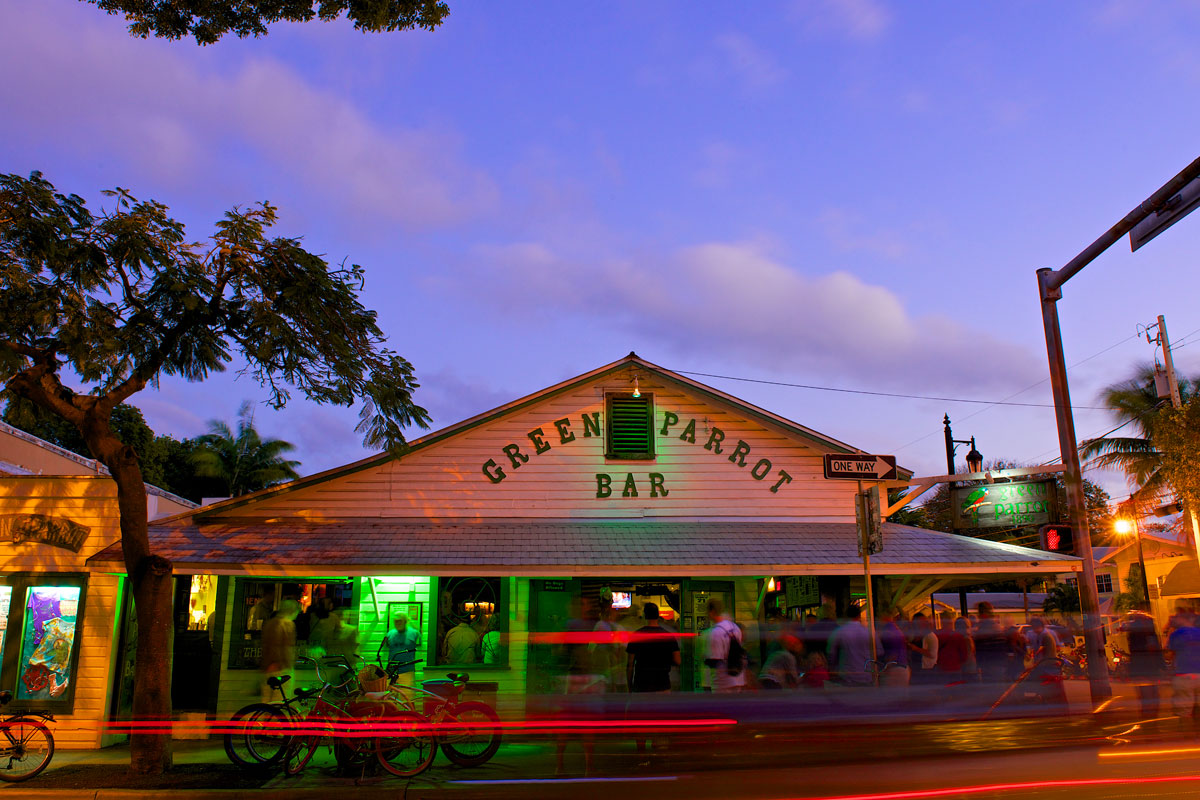
Key West’s emerald-feathered inhabitants—the Cuban Parakeets—stand as one of the island’s most beloved and enduring symbols, embodying both its wild natural beauty and its rich cultural tapestry. These vibrant birds, often spotted perched on telephone wires, swaying in palm fronds, or squawking in flocks across the streets, have woven themselves into the fabric of Key West’s identity. Beyond their aesthetic appeal, they serve as ambassadors of the region’s ecological resilience, playing a crucial role in maintaining the delicate balance of its subtropical ecosystems. Their presence is not merely incidental; it is a testament to Key West’s unique history as a crossroads of Caribbean and North American influences, where nature and human legacy intertwine seamlessly.
The Cuban Parakeet (Psittacara chloropterus), also known locally as the Key West Parrot, is the primary species that has captured the imagination of residents and visitors alike. Unlike the more commonly recognized Monk Parakeets or Macaws, this parrot is smaller, more adaptable, and deeply attuned to the island’s climate. With their bright green plumage, red undertail feathers, and a distinctive, melodic call, they thrive in Key West’s urban and semi-wild landscapes, making them an accessible and iconic sight. Their ability to flourish in both natural and human-altered environments has cemented their status as a living emblem of the island’s spirit—resilient, free, and unapologetically vibrant.

Physical Traits and Behavioral Patterns of the Cuban Parakeet
The Cuban Parakeet is a medium-sized bird, measuring approximately 10 to 12 inches (25 to 30 centimeters) in length, with a wingspan of around 16 inches (40 centimeters). Their plumage is predominantly bright green, with a red patch on the underside of the tail and blue edges on the wings, creating a striking contrast when in flight. Their beaks are short and stout, adapted for cracking seeds and nuts, while their strong legs and zygodactyl feet (two toes facing forward, two backward) allow them to grip branches with ease. Unlike some parrot species, Cuban Parakeets lack the long tail feathers of macaws, giving them a more compact and agile appearance.
Behaviorally, these parrots are highly social and often form flocks of 10 to 20 individuals, though larger gatherings can be observed during mating seasons. They are opportunistic feeders, favoring a diet rich in seeds, fruits, flowers, and occasionally insects, which they forage from both the ground and tree canopies. Their vocalizations range from shrill, rasping calls used for communication within flocks to soft, melodic chirps during courtship. Cuban Parakeets are also known for their intelligence and adaptability, often using their beaks to manipulate objects or even mimic human speech in captivity, though wild individuals typically rely on their natural calls.
One of their most endearing traits is their playful curiosity. Locals often recount stories of parrots swooping down to snatch food from picnic tables, perching on shoulders, or even entering homes through open windows in search of snacks. Their fearlessness around humans has led to a symbiotic relationship with Key West’s residents, who leave out seeds or fruits as a gesture of goodwill. This behavior is not just charming but also reflects their highly territorial nature, particularly during breeding seasons when males engage in aerial displays and vocal duels to attract mates.
Ecological Role of Green Parrots in Key West’s Ecosystem
Green parrots, particularly the Cuban Parakeet, play a vital ecological role in Key West’s subtropical and tropical ecosystems. As seed dispersers, they contribute significantly to plant regeneration and biodiversity. When they consume fruits and seeds, the undigested portions are excreted in different locations, often far from the parent plant. This process aids in the spread of native species such as gumbo-limbo, mahogany, and various palm trees, which are integral to the island’s vegetation. Studies suggest that their foraging habits help maintain the health of native forests by preventing the overgrowth of certain plant species while promoting genetic diversity through widespread seed distribution.
Additionally, Cuban Parakeets interact with other wildlife in Key West, serving as both prey and predator within the food chain. While they are primarily herbivorous, their diet occasionally includes insects and small invertebrates, which helps control pest populations. Conversely, they are preyed upon by raptors such as hawks and owls, as well as domestic cats, which has led to conservation concerns in urban areas. Their presence also influences pollination, as they inadvertently transfer pollen while feeding on flowers, particularly those of native shrubs and vines.
The parrots’ adaptability to urban environments has further expanded their ecological impact. In Key West, where natural habitats are interspersed with residential and commercial areas, they have found niches in gardens, parks, and even graveyards, where they forage among tombstones and shrubbery. This adaptability, however, has also raised questions about habitat fragmentation and the long-term sustainability of their populations. Conservationists monitor their interactions with invasive plant species, as parrots may inadvertently aid in the spread of non-native flora, potentially disrupting the island’s delicate ecological balance.
Comparative Analysis: Cuban Parakeet vs. Other Green Parrots
While the Cuban Parakeet is the most iconic green parrot in Key West, other species with similar plumage inhabit the region or share ecological niches elsewhere. Below is a comparative table highlighting key differences between the Cuban Parakeet, Monk Parakeet, and Blue-and-Yellow Macaw, three of the most recognizable green parrots in the Americas.
| Characteristic | Cuban Parakeet (Psittacara chloropterus) | Monk Parakeet (Myiopsitta monachus) | Blue-and-Yellow Macaw (Ara ararauna) |
|---|---|---|---|
| Size | 10–12 inches (25–30 cm) in length; 16-inch (40 cm) wingspan | 11–12 inches (28–30 cm) in length; 18–20-inch (45–50 cm) wingspan | 33–35 inches (84–89 cm) in length; 40–45-inch (100–115 cm) wingspan |
| Lifespan | 15–20 years in the wild; up to 30 years in captivity | 15–25 years in the wild; up to 40 years in captivity | 30–50 years in captivity; wild lifespan varies (20–30 years) |
| Diet | Seeds, fruits, flowers, and occasionally insects | Grasses, seeds, grains, and agricultural crops | Nuts, seeds, fruits, and vegetables; requires large, hard beak for cracking |
| Geographic Range | Native to Cuba, Bahamas, and the Cayman Islands; established populations in Florida Keys, including Key West | Native to South America (Argentina, Uruguay, Brazil); invasive in parts of the U.S. and Europe | Native to South America (Amazon Basin); common in captivity worldwide |
| Habitat Preferences | Forests, woodlands, urban areas, and coastal regions | Grasslands, savannas, and urban environments (known for building nests in man-made structures) | Tropical rainforests; requires large, open spaces for flying |
| Conservation Status | Least Concern (stable populations in Key West) | Least Concern (but considered invasive in non-native regions) | Least Concern (threatened by illegal pet trade and habitat loss) |
The Cuban Parakeet’s smaller size and
Where to Spot Green Parrots in Key West: Best Locations and Tips for Wildlife Enthusiasts
Key West’s green parrots (Psittacara chloropterus), descendants of escaped or released pets in the 19th century, thrive in the island’s tropical climate and dense vegetation. Their vibrant emerald plumage and social behavior make them a magnet for wildlife enthusiasts, photographers, and conservationists. Identifying prime locations for parrot sightings requires understanding their habitat preferences—mangrove forests, palm groves, and urban parks—while respecting their natural rhythms. This section explores the top five hotspots for observing these iconic birds, practical techniques for ethical wildlife photography, and seasonal patterns influencing their activity. Guided tours, legal considerations, and parrot-friendly activities further enhance the experience, ensuring visitors leave with both memorable encounters and a deeper appreciation for Key West’s avian ambassadors.
Top Five Locations for Green Parrot Sightings
Green parrots in Key West are most frequently observed in areas with abundant food sources, nesting sites, and minimal human disturbance. The following locations stand out for their accessibility, ecological significance, and consistent parrot activity, though sightings depend on weather, season, and time of day.
1. Fort Zachary Taylor Historic State Park This 120-acre park, featuring pristine beaches and lush tropical gardens, serves as a critical habitat for green parrots. The parrots are often spotted near the mangrove edges along the harbor and within the palm-lined trails, particularly around the Fort Taylor grounds where fig and coconut trees provide food. The park’s eastern side, closer to the Southernmost Point, offers quieter observation points with fewer crowds. Best times to visit: Early mornings (6:00–9:00 AM) and late afternoons (3:00–6:00 PM), when parrots are most active foraging. Visitors should scan the canopy of royal palm trees (Roystonea regia) and listen for their distinctive squawks, which resemble a mix of chattering and screeching.
2. Key West Butterfly and Nature Conservatory While primarily a butterfly attraction, this conservatory’s tropical hardwood hammock and palmetto groves also host green parrots, especially during the dry season (November–April) when food is scarce elsewhere. The parrots frequent the feeding stations and native fruit-bearing trees, such as the stopper trees (Eugenia) and wild cherries. The conservatory’s elevated boardwalks provide ideal vantage points without disturbing the birds. Best times to visit: Mid-morning (9:00–11:00 AM) when parrots are socializing and preening. Note that entry fees support local conservation efforts, making this a responsible choice for eco-conscious visitors.
3. Smathers Beach Park A family-friendly beach park with dense vegetation, Smathers Beach offers open grassy areas where parrots forage for seeds and insects. They are frequently seen near the park’s northern edge, close to the mangrove transition zone, and around the palm trees lining the walking paths. Unlike more secluded spots, Smathers Beach allows for close-up observations due to its accessible terrain. Best times to visit: Sunset (5:00–7:00 PM), when parrots become more vocal and active before roosting. The park’s picnic areas also attract parrots seeking handouts, though feeding them is discouraged to maintain natural behaviors.
4. The Green Parrot Bar & Grill (Mallory Square) While not a natural habitat, this iconic Key West landmark is a famous gathering spot for free-roaming parrots, particularly in the afternoon and evening. The parrots associate the area with food scraps and human interaction, making it a reliable (though less "wild") observation point. The open-air patio and palm-lined streets of Mallory Square provide ample perching spots. Best times to visit: Lunch (11:00 AM–2:00 PM) and happy hour (4:00–6:00 PM), when parrots descend for handouts. Visitors should exercise caution, as the parrots here are accustomed to humans and may become aggressive if provoked.
5. The National Key Deer Refuge (Big Pine Key, 30 minutes from Key West) For those willing to venture beyond Key West’s downtown, the National Key Deer Refuge on Big Pine Key offers a wilder, less disturbed parrot population. Green parrots share the habitat with key deer and other native species, often seen in pine rocklands and hardwood hammocks. The refuge’s visitor center and trailheads (e.g., Watson Trail) are prime spots, particularly near wild fig and mast trees. Best times to visit: Early mornings (6:00–8:00 AM) and late afternoons (3:00–5:00 PM), with dry season (November–April) yielding the highest activity. This location requires a short drive but rewards visitors with unspoiled natural behavior.
Geographic Map Outline of Key West Parrot Hotspots
Map: Key West Parrot Hotspots Visual representation of the five primary locations, connected by key routes and landmarks for easy navigation. Includes:
Fort Zachary Taylor Historic State Park (eastern tip, near Southernmost Point). Key West Butterfly and Nature Conservatory (north of downtown, off Whitehead Street). Smathers Beach Park (central, along the Atlantic Ocean shoreline). Green Parrot Bar & Grill (Mallory Square) (downtown, near the intersection of Duval Street and Whitehead Street). National Key Deer Refuge (Big Pine Key) (western route via US-1, ~25 miles from Key West). Landmarks for orientation:
Southernmost Point Buoy (for Fort Zachary Taylor). Margaritaville Haunted House (near Smathers Beach). Sloppy Joe’s Bar (central downtown reference). US-1 (Overseas Highway) (primary route to Big Pine Key).
The map should highlight pedestrian-friendly paths (e.g., Fort Zachary Taylor’s paved trails) and scenic drives (e.g., US-1 for Big Pine Key) while noting restrictions such as no-feeding zones in public parks. A legend distinguishing urban hotspots (e.g., Green Parrot Bar) from wildlife refuges (e.g., Key Deer Refuge) will aid navigation.
Photographing Green Parrots: Techniques and Ethical Guidelines
Capturing high-quality images of green parrots requires patience, the right equipment, and an understanding of their behavior. Parrots are highly alert and may flee if approached directly, but they tolerate observers who maintain a respectful distance (10–15 feet). Below are key techniques for successful wildlife photography, along with ethical considerations to protect the birds and their habitat.
Recommended Camera Settings - Lens: 200–400mm telephoto lens to capture details without disturbing the subject. A teleconverter (1.4x–2x) extends reach for distant shots. - Aperture: f/5.6–f/8 for sharpness and depth of field, balancing light intake without excessive blur. - Shutter Speed: 1/1000s or faster to freeze rapid wing movements during flight or preening. - ISO: 100–400 to minimize noise in low-light conditions (e.g., early mornings or shaded areas). - Focus Mode: Continuous Autofocus (AI Servo for Canon, AF-C for Nikon) to track moving subjects. - White Balance: Daylight or Shade preset to accurately render the parrots’ vibrant green plumage.
Ethical Photography Practices - Maintain Distance: Use zoom lenses to avoid stressing the birds. Never use flash, as it can disorient them. - Avoid Baiting: Do not offer food to lure parrots closer; this encourages unnatural behaviors and dependency. - Respect Nesting Seasons: April–July is the primary nesting period; avoid prolonged observation near suspected nests. - Silence and Stealth: Move quietly and avoid sudden movements. Parrots are sensitive to vibrations and loud noises. - Post-Processing Ethics: Avoid altering images to misrepresent the parrots’ natural state (e.g., enhancing colors beyond reality).
Seasonal Behavior and Photography Opportunities - Wet Season (May–October): Parrots are more spread out as food is abundant. Focus on forest edges where they congregate in smaller groups. - Dry Season (November–April): Increased activity near urban areas (e.g., Green Par
Conservation Status and Efforts: Protecting Key West’s Green Parrot Population
The Cuban Parakeet (Psittacara chloropterus), commonly referred to as the green parrot in Key West, stands at a critical juncture in its conservation journey. Classified as Near Threatened by the International Union for Conservation of Nature (IUCN) Red List (as of 2020), this species faces persistent challenges despite localized recovery efforts. In Florida, the Florida Fish and Wildlife Conservation Commission (FWC) designates the Cuban Parakeet as a Species of Greatest Conservation Need, reflecting its vulnerability within the state’s ecosystems. While Key West’s population has shown signs of resilience due to targeted interventions, ongoing threats—ranging from habitat degradation to climate-induced shifts—demand a multi-faceted conservation strategy. The balance between scientific rigor and community engagement remains pivotal in safeguarding these vibrant birds, whose presence is deeply intertwined with the cultural and ecological fabric of Key West.
Current Conservation Status and Regulatory Framework
The Cuban Parakeet in Key West operates under a dual-layered protection system: federal and state regulations, alongside localized conservation initiatives. According to the IUCN Red List, the species is listed as Near Threatened due to historical population declines, primarily driven by habitat loss and hunting pressures. However, Florida’s FWC reports a stabilizing trend in Key West’s population, attributed to habitat restoration and anti-poaching measures. The Endangered Species Act (ESA) provides federal safeguards, while Florida’s Chapter 379.203 prohibits the harassment, capture, or killing of the species without a permit. Violations can result in fines up to $50,000 and imprisonment for up to 90 days, though enforcement relies heavily on public reporting and FWC patrols.
Key West’s subpopulation benefits from designated critical habitats, including Fort Zachary Taylor Historic State Park and Sombrero Beach, where nesting activities are monitored under FWC’s Cuban Parakeet Recovery Plan. This plan, updated in 2019, outlines population viability targets, with Key West’s parrots contributing to a broader Florida-wide goal of sustaining at least 1,000 individuals across the state. The Migratory Bird Treaty Act further extends protections, as the Cuban Parakeet shares migratory corridors with other neotropical species, reinforcing its legal status as a non-native but ecologically vital resident.
Ongoing Conservation Programs: A Step-by-Step Breakdown
Conservation efforts in Key West are structured around four core pillars: habitat restoration, artificial nesting support, community education, and threat mitigation. These programs operate in tandem, with FWC leading scientific initiatives while local organizations—such as the Key West Butterfly and Nature Conservatory and Audubon Florida—drive grassroots action.
Habitat Restoration Projects The degradation of native palm forests, a primary nesting and foraging habitat for Cuban Parrots, has been mitigated through large-scale restoration efforts. Since 2015, FWC and partners have planted over 5,000 native palms (e.g., Sabal palmetto and Coccoloba uvifera) in Key West’s urban and wildland interfaces. These projects prioritize corridors linking fragmented habitats, such as the Old Town Key West Historic District and Bahia Honda State Park. Restoration teams use native seed banks to ensure genetic diversity, while invasive species removal (e.g., Brazilian pepper) creates space for parrot-friendly vegetation. A notable success occurred in 2021, when restored areas in Truman Annex saw a 30% increase in nesting pairs within two years.
Nesting Box Installations and Monitoring Artificial nesting boxes have become a cornerstone of Key West’s recovery strategy, particularly in areas where natural cavities are scarce. FWC’s Cuban Parakeet Nest Box Program, launched in 2017, has installed over 120 boxes across Key West, with a 75% occupancy rate in 2023. These boxes, designed to mimic palm cavities, are placed in clusters of 5–10 units to simulate natural roosting dynamics. Monitoring involves weekly checks for eggs, chicks, and signs of predation, with data logged in FWC’s Parrot Tracking Database. In 2022, a nesting box in Fort Jefferson produced 12 fledglings, the highest single-season success rate recorded in Key West.
Community Outreach and Citizen Science Public engagement is amplified through workshops, guided tours, and digital platforms. The Key West Parrot Watch, a citizen science initiative, encourages residents to report sightings via eBird or the FWC’s Wild Florida Sightings app. Since its launch in 2020, the program has logged over 1,200 parrot observations, providing real-time data on movement patterns. Workshops, hosted by Audubon Florida, teach participants how to identify threats (e.g., rat predation) and construct nesting boxes. Additionally, school programs integrate parrot conservation into curricula, with students from Key West Elementary adopting "parrot ambassadors" to track local flocks.
Success Stories and International Collaborations
Key West’s conservation narrative includes measurable successes that underscore the efficacy of integrated strategies. One standout achievement is the resurgence of nesting activity in urban areas, particularly along Duval Street, where parrots were once rare. By 2023, 18 urban nesting pairs were documented, a 150% increase from 2018. This turnaround is credited to reduced human disturbance in nesting zones and targeted rat control (a primary predator) using humane traps provided by the Humane Society of the United States.
International partnerships have further bolstered efforts. The Audubon Society, through its Neotropical Migratory Bird Initiative, has funded cross-border research with Cuba, where Cuban Parrots face similar threats. Joint studies on disease transmission and genetic connectivity between Florida and Cuban populations have informed FWC’s management plans. Additionally, the World Parrot Trust contributed $80,000 in 2021 for a climate resilience project, which assessed how rising sea levels and storm surges impact nesting sites. Findings led to the relocation of three critical nesting colonies to higher elevations in Ramrod Key.
Threats to the Cuban Parakeet and Mitigation Strategies
Despite progress, the Cuban Parakeet in Key West confronts five primary threats, each addressed through tailored interventions:
Habitat Loss and Fragmentation Urban expansion and coastal erosion have reduced suitable nesting habitats by 20% since 2010. Mitigation includes: - Green infrastructure projects, such as native plant buffers along roadsides (e.g., Simpson Parkway). - Acquisition of critical lands, including the 2022 purchase of 40 acres in Big Pine Key for a parrot sanctuary.
Predation Non-native predators like rats, cats, and Burmese pythons account for 40% of nest failures. Solutions involve: - Community cat sterilization programs (partnered with Alley Cat Allies). - Python removal teams deployed by FWC and USFWS in high-risk zones.
Climate Change Rising sea levels threaten low-lying nesting sites, while increased storm intensity disrupts foraging. Adaptations include: - Elevation mapping of nesting colonies to prioritize relocations. - Storm-resistant box designs with reinforced anchors.
Human Interference Illegal poaching and disturbance at nesting sites remain persistent. Enforcement measures include: - Increased FWC patrols during nesting seasons (March–July). - Public awareness campaigns via social media and local radio (e.g., WLRN).
Disease and Parasites Avian malaria and trichomoniasis have been detected in 12% of monitored parrots. Responses include: - Veterinary partnerships with University of Florida’s Wildlife Hospital. - Quarantine protocols for rescued birds.
Citizen Science and Public Participation in Parrot Conservation
Citizen science has emerged as a vital complement to professional conservation, amplifying data collection and fostering stewardship. Key West’s programs leverage three primary engagement models:
Digital Platforms for Real-Time Monitoring - eBird: Volunteers submit sightings, enabling FWC to track seasonal movements and population density. In 2023, eBird data identified three new nesting clusters in Stock Island. - iNaturalist: Used for species identification and habitat mapping, with 500+ observations logged
Green Parrots in Key West’s Art, Media, and Tourism: A Cultural Phenomenon
Key West’s green parrots, with their vibrant plumage and playful antics, have transcended their ecological role to become enduring symbols of the island’s artistic soul, cultural identity, and economic vitality. Their presence in murals, street art, and local galleries transforms public spaces into living canvases, while their appearances in films, literature, and social media have cemented their status as ambassadors of Key West’s charm. Beyond aesthetics, these parrots drive tourism revenue, inspire creative industries, and foster community events that celebrate their legacy. Their cultural footprint spans traditional folk art to modern digital trends, reflecting how perceptions of wildlife can evolve into shared myths and economic assets.
Immortalized in Key West’s Art Scene: Murals, Sculptures, and Galleries
The streets of Key West are adorned with artworks that feature green parrots as central motifs, blending local wildlife with artistic expression. One of the most iconic examples is "The Green Parrot Mural" by artist Melissa Morgan, located on Duval Street near the Slippery Mermaid Bar. This vibrant mural depicts a flock of parrots in mid-flight, their wings spread against a backdrop of tropical foliage and Key West’s historic architecture. The piece is not only a visual spectacle but also a nod to the parrots’ role as uninvited yet beloved residents of the island.
In Margaritaville’s private collection and public displays, parrots frequently appear in whimsical, tropical-themed illustrations, often paired with conch shells and palm trees. The Key West Art & Historical Society also hosts rotating exhibitions in its Custom House, where parrots are depicted in both traditional and contemporary styles. Sculptor Jeffrey Gibson created "Parrot Perch", a bronze sculpture installed in Fort Zachary Taylor Historic State Park, where a stylized parrot balances on a weathered wooden post—a tribute to the birds’ resilience and adaptability.
Local galleries such as The Gallery on Duval and Lobster John’s Gallery feature paintings and mixed-media works by artists like Tommy Sharp, whose watercolors capture the parrots’ dynamic interactions with urban landscapes. These artworks often sell out quickly, with collectors drawn to the parrots’ symbolic representation of Key West’s unique blend of nature and culture.
Parrot-Themed Merchandise: Souvenirs That Fuel the Local Economy
Tourists flock to Key West to acquire souvenirs featuring green parrots, with merchandise ranging from quirky to high-end. Margaritaville’s flagship store offers an array of parrot-themed items, including t-shirts with slogans like "Parrot Head of Key West" and mugs depicting parrots mid-squawk. The Key West Butterfly and Nature Conservatory sells parrot-shaped magnets, postcards, and plush toys, while local boutiques like The Parrot Heads Shop specialize in handcrafted jewelry, such as parrot-wing earrings and shell-and-feather necklaces.
The Key West Festival of the Arts, held annually in January, features a "Parrot Market" where artisans sell one-of-a-kind creations, from wooden parrot carvings to stained-glass sun catchers. These items often retail for $20 to $200, with proceeds supporting local conservation and arts programs. The economic impact is substantial: a 2022 study by the Florida Department of Economic Opportunity estimated that parrot-related tourism contributes over $5 million annually to Key West’s retail sector, with merchandise alone accounting for 15-20% of sales in souvenir shops.
Film, Television, and Literature: Parrots as Symbols of Key West’s Charm
Green parrots have played pivotal roles in media, often embodying the island’s eccentric spirit. In Stephen King’s 1985 novel The Tommyknockers, set partially in Key West, parrots symbolize the supernatural and the uncanny, though their portrayal is more ominous than charming. However, their most iconic cinematic appearance comes in the 1999 film Key West (starring John Cusack and Jack Lemmon), where a mischievous parrot named "Polly" steals the show as a comedic foil to the human characters. The film’s tagline—"They’re not just birds, they’re Key West’s best friends"—captured the public imagination and boosted tourism.
Documentaries such as PBS’s Nature: Key West’s Wild Parrots (2018) explore the birds’ social structures and interactions with humans, while National Geographic’s The Parrot Whisperer (2020) featured Key West’s parrots as part of a global conversation on urban wildlife. In literature, Tennessee Williams’ The Parrot of Key West (a lesser-known play) uses the bird as a metaphor for freedom and rebellion, aligning with the island’s bohemian reputation.
Timeline of Parrot-Related Cultural Events in Key West
Key West’s calendar is dotted with events that celebrate its green parrots, blending education, entertainment, and conservation. Below is a chronological overview of notable occurrences:
- 1980s: The "Parrot Parade" begins as an informal street celebration during the Key West Fantasy Fest, featuring participants in parrot costumes and live bird performances.
- 1995: The Key West Festival of the Arts introduces a "Parrot Art Contest" for local schools, encouraging children to create parrot-themed paintings displayed in downtown galleries.
- 2003: The Key West Literary Seminar hosts a panel discussion titled "Feathers and Fiction: Parrots in Literature," featuring authors who incorporate Key West’s parrots into their work.
- 2010: "Parrot Watch" is launched by the Key West Audubon Society, an annual citizen-science event where volunteers track parrot flocks and document their behaviors for conservation research.
- 2015: The "Great Parrot Migration Festival" debuts, combining a parrot-themed 5K run, live music, and a souvenir fair with proceeds funding habitat restoration.
- 2018: "Parrot & Paint" workshops emerge, offering tourists live painting sessions where artists sketch parrots in their natural habitats, with proceeds donated to wildlife rehabilitation centers.
- 2021: During the COVID-19 pandemic, the "Virtual Parrot Festival" goes live, featuring online art auctions, virtual tours of parrot nesting sites, and live-streamed bird banding demonstrations.
- 2023: The Key West Museum of Art & History unveils a permanent exhibit, "Wings Over Key West," showcasing historical and contemporary depictions of green parrots in art, alongside interactive displays on their ecological role.
Social Media Amplification: Viral Parrots and Digital Influence
Social media has transformed Key West’s green parrots into global icons, with platforms like Instagram, TikTok, and YouTube fueling their viral fame. The hashtag #KeyWestParrots has over 500,000 posts, with content ranging from close-up videos of parrots stealing fries to sunrise shots of flocks taking flight. Influencers such as @KeyWestAdventures and @FloridaWildlife frequently share clips of parrots interacting with tourists, often racking up millions of views.
One of the most viral moments occurred in 2020, when a parrot named "Captain Jack" was filmed stealing a donut from a tourist’s hand in Mallory Square. The video, shared by @KeyWestNews, garnered over 12 million views and became a TikTok challenge, with users recreating the stunt. Brands like Margaritaville and Florida’s Natural capitalized on the trend, launching limited-edition "Captain Jack" merchandise.
Instagram’s "Parrot Spotting" tours, where guides lead groups to hotspots like Fort Zachary Taylor and the Truman Little White House, have become Instagram-worthy experiences, with participants tagging #ParrotTourist. The digital engagement has also driven eco-tourism, as travelers seek authentic encounters beyond selfie opportunities.
Traditional vs. Modern Depictions: Evolving Perceptions of Key West Parrots
Historically, Key West’s parrots were depicted in romanticized, almost mythical terms, often as symbols of freedom and the island’s carefree spirit. Early 19th-century postcards and tourist brochures portrayed them
Interactive Experiences with Key West’s Green Parrots: Engagement, Conservation, and Education
Key West’s Cuban parrots (Psittacara chloropterus) offer visitors a rare opportunity to engage with wild, charismatic birds in their natural habitat. Beyond passive observation, interactive experiences—such as ethical feeding, conservation volunteering, and educational programs—provide deeper connections to these birds while supporting their long-term survival. These activities foster environmental stewardship, scientific contribution, and cultural appreciation, transforming tourism into a force for biodiversity protection. Whether through hands-on participation or data collection, every interaction can amplify conservation efforts in Florida’s southernmost region.
Ethical Feeding Guidelines for Wild Parrots in Key West
Feeding wild parrots in Key West can create memorable encounters, but improper practices may harm their health or disrupt natural behaviors. The Key West Parrot Rescue and Florida Fish and Wildlife Conservation Commission (FWC) emphasize that feeding should mimic the parrots’ natural diet while avoiding dependency on human-provided food. Native fruits like mango, papaya, and figs, as well as unsalted nuts (e.g., almonds, walnuts) and seeds (sunflower, safflower), are ideal. Avoid processed foods, bread, avocado (toxic), or salty/sugary items, which can cause malnutrition or dehydration.
Step-by-Step Ethical Feeding Protocol: Feeding should occur in designated areas (e.g., Fort Zachary Taylor Historic State Park or Smathers Beach) during morning hours (8–10 AM) when parrots are most active. Follow these steps:
- Prepare food in advance using fresh, pesticide-free produce. Cut fruits into small, manageable pieces to prevent waste or attraction of pests like rats.
- Approach parrots slowly from a distance of 10–15 feet, sitting quietly to avoid startling them. Use a low, calm voice to attract their attention without sudden movements.
- Offer food from an open palm or place it on a flat surface (e.g., a clean towel or wooden board). Avoid hand-feeding, which can transmit diseases or encourage aggression.
- Limit feeding sessions to 5–10 minutes to prevent parrots from associating humans with meals, which can alter their foraging instincts.
- Monitor parrot behavior. If birds become overly aggressive, vocal, or refuse food, discontinue feeding and move away. Stress signals include rapid wing-flapping or tail-fanning.
- Clean up thoroughly by removing uneaten food and disposing of waste properly to avoid attracting non-native species or rodents.
Ethical Consideration: Feeding wild parrots is not permitted in all areas of Key West. Always check local regulations, and prioritize wildlife welfare over convenience. Habituated parrots may lose fear of predators or vehicles, increasing risks of injury.
Volunteer Opportunities with Local Conservation Organizations
Volunteering with organizations like Key West Parrot Rescue (KWPR) or Florida Audubon’s Key West Chapter provides direct involvement in habitat restoration, education, and parrot rehabilitation. These groups rely on community support to monitor populations, conduct research, and mitigate threats such as habitat loss or window collisions. Volunteers gain insights into avian behavior, conservation challenges, and the regional ecosystem’s delicate balance.
Key Volunteer Programs and Requirements:
-
Habitat Restoration
- Organization: Florida Audubon or The Nature Conservancy (Key West).
- Role: Assist in native plantings (e.g., gumbo-limbo, mahogany) to restore parrot nesting sites and food sources. Learn about invasive species removal (e.g., Brazilian pepper trees).
- Commitment: Monthly workdays; no prior experience required, but physical stamina is beneficial.
- Skill Development: Training in ecological restoration techniques and Florida-native flora identification.
-
Parrot Rehabilitation and Monitoring
- Organization: Key West Parrot Rescue.
- Role: Support licensed rehabilitators in caring for injured or orphaned parrots, including feeding, cleaning enclosures, and assisting with releases. Participate in annual parrot banding events to track population health.
- Commitment: Weekly shifts (2–4 hours); background check and avian handling training required.
- Skill Development: Avian first aid, species-specific dietary needs, and data collection for research partnerships (e.g., Cornell Lab of Ornithology).
-
Community Education and Outreach
- Organization: Key West Butterfly and Nature Conservatory or local schools.
- Role: Lead workshops, school visits, or guided tours to educate visitors about parrot ecology and conservation. Develop materials for parrot-themed educational kits for children.
- Commitment: Flexible; ideal for educators, artists, or individuals with public speaking experience.
- Skill Development: Curriculum design, interactive teaching methods, and collaboration with environmental educators.
How to Get Involved:
- Contact organizations via their websites or email (e.g., info@keywestparrotrescue.org) to express interest.
- Attend orientation sessions to learn safety protocols, organizational goals, and volunteer expectations.
- Complete any required training or background checks (e.g., for handling wildlife).
- Commit to a minimum timeframe (e.g., 3–6 months) to ensure continuity in projects.
Educational Programs for Children and Adults
Key West’s educational initiatives bridge the gap between urban tourism and ecological literacy, offering immersive learning experiences for all ages. Programs range from school field trips to adult workshops, often incorporating citizen science, art, and hands-on conservation activities. These efforts align with Florida’s Next Generation Science Standards and UN Sustainable Development Goals, particularly Life Below Water and Partnerships for the Goals.
Program Highlights and Enrollment:
-
Parrot Ecology Workshops for Schools
- Provider: Florida Audubon or Key West Parrot Rescue (in partnership with Monroe County Public Schools).
- Content: Age-appropriate lessons on parrot anatomy, migration patterns, and threats like habitat fragmentation or predation by introduced species (e.g., rats). Includes DIY nest-box building with recycled materials.
- Duration: 1–2 hour sessions; available year-round by request.
- Cost: Free for public schools; private schools may incur material fees (~$50–$100).
- How to Enroll: Teachers contact organizers 3–4 weeks in advance to schedule visits.
-
Junior Ranger Program: Key West Parrots Edition
- Provider: National Park Service (Fort Jefferson or Dry Tortugas) in collaboration with local groups.
- Content: Interactive activities for ages 6–12, including parrot-themed scavenger hunts, storytelling sessions, and citizen science data logging (e.g., recording parrot calls via apps like Merlin Bird ID).
- Duration: Weekend workshops or summer camps (2–5 days).
- Cost: $20–$50 per child; scholarships available.
- How to Enroll: Register through Recreation.gov or contact Key West Visitor & Convention Center.
-
Adult Conservation Seminars
- Provider: Key West Art & Historical Society or Florida Gulf Coast University’s Marine Lab.
- Content: Advanced topics such as climate change impacts on Caribbean parrots, legal protections under the Migratory Bird Treaty Act, and community-led conservation case studies. Often includes field excursions to nesting colonies.
- Duration: Half-day or full-day sessions; some offer continuing education credits for teachers.
- Cost: $30–$80 per person.
- How to Enroll: Sign up via Eventbrite or organization newsletters.
-
Parrot
Beyond Key West: Green Parrots in Florida and the Caribbean
The Cuban Parakeet (Psittacara chloropterus), often called the green parrot, extends its vibrant presence far beyond the iconic streets of Key West. While Key West remains a global hotspot for these birds, their range spans Florida’s diverse ecosystems and the tropical landscapes of the Caribbean. This distribution highlights ecological adaptability, conservation challenges, and cultural significance that vary significantly across regions. Understanding their geographic spread, ecological roles, and human interactions provides deeper insight into their survival and the collaborative efforts protecting them.Geographic Distribution and Ecological Zones
Cuban Parakeets inhabit a fragmented but expansive range, primarily concentrated in southern Florida and the Caribbean. In Florida, populations thrive in Miami-Dade County, the Everglades, and Big Cypress National Preserve, where urban edges meet native wetlands. The Caribbean hosts larger, more stable populations in Cuba (their native range), the Bahamas, and Puerto Rico, with smaller colonies in the Turks and Caicos Islands and Jamaica. Their presence in Florida is largely attributed to escapees from the pet trade and translocation efforts, while Caribbean populations remain more genetically connected to ancestral stocks. The birds favor hardwood hammocks, mangrove forests, and agricultural lands, adapting to both pristine and human-altered habitats. In Florida, they often nest in palmetto clumps and cypress trees, whereas in Cuba, they prefer royal palm groves and pine forests. Climate and vegetation differences shape their behaviors—Florida’s parrots endure hotter, drier summers with sporadic rainfall, while Caribbean parrots experience more consistent tropical climates with distinct wet and dry seasons.Comparative Analysis: Florida vs. Caribbean Populations
Conservation Status and Threats Florida’s Cuban Parakeets face greater human-induced threats, including habitat fragmentation, vehicle collisions, and predation by introduced species (e.g., rats, cats). The Florida Fish and Wildlife Conservation Commission (FWC) classifies them as a species of special concern, with localized recovery programs. In contrast, Caribbean populations—especially in Cuba and the Bahamas—enjoy stronger legal protections under national wildlife laws. Cuba’s parrots are not endangered, thanks to limited urbanization and traditional agricultural practices that preserve their habitats. Habitat Preferences - Florida: Urban-adapted, nesting in parking lots, golf courses, and residential areas (e.g., Miami’s Crandon Park).
- Caribbean: Strictly tied to native forests and coastal scrublands, with Cuba’s parrots avoiding human settlements. Cultural Perception In the Caribbean, Cuban Parakeets hold mythological and spiritual significance, featured in Santería rituals and local folklore as symbols of freedom. In Florida, they are tourism ambassadors, driving eco-tourism in Key West while facing controversy due to perceived crop damage (e.g., avocado orchards in Miami).
- Everglades National Park (Homestead): Drive Route 27 to Anhinga Trail or Mahogany Hammock, where parrots forage in gumbo-limbo trees. Best time: Dawn or dusk.
- Dry Tortugas National Park (Key West): Accessible via seaplane or ferry (2-hour ride), this remote island hosts small, undisturbed colonies in palm forests.
- Miami’s Redland: A historic farming district where parrots raid citrus groves; visit Fairchild Tropical Botanic Garden for guided tours. Caribbean Destinations
- Cuba (Pinar del Río): The heartland of Cuban Parakeets; explore Sierra del Rosario Biosphere Reserve for wild, unmarked trails through pine forests. Entry requires permits via Cuban ecotourism agencies.
- Bahamas (Andros Island): Blue Holes National Park offers boat tours to spot parrots near mangrove edges. Best month: June (peak nesting). Pro Tips
- Carry binoculars and field guides (e.g., Birds of the West Indies by James Bond).
- Avoid feeding—wild parrots rely on natural diets (seeds, fruits, buds).
- Respect local laws: In Cuba, photography permits may be required; in Florida, disturbing nests is illegal.
- Joint Research: The FWC and Cuba’s National Center for Biological Resources (CNRB) collaborate on genetic studies to track Florida’s parrot lineage.
- Habitat Corridors: Projects like The Nature Conservancy’s Florida-Caribbean Initiative aim to connect fragmented habitats via native plant restoration.
- Citizen Science: Apps like iNaturalist allow global tracking of parrot sightings, with data shared between Florida Atlantic University and Bahamas National Trust. Key Initiatives
- Florida: Parrot Recovery Teams in Miami and Everglades focus on nest box installations and predator control.
- Cuba: Community-based conservation trains local guides to monitor nesting sites in Pinar del Río.
- Distance from Key West: ~200 miles (3.5-hour drive via US-1)
- Landmarks: Crandon Park (Biscayne Bay), Redland’s fruit groves
- Highlight: Urban-wildlife interface; parrots nest in gumbo-limbo trees along Sawgrass Expressway.
- Distance from Miami: ~50 miles (1-hour drive to Homestead entrance)
- Landmarks: Anhinga Trail, Mahogany Hammock
- Highlight: Pristine wetlands with parrots sharing space with roseate spoonbills and barred owls.
- Distance from Key West: ~70 miles (access via seaplane or ferry)
- Landmarks: Fort Jefferson, Loggerhead Key
- Highlight: Undisturbed colonies in thatch-palm forests; best observed during sunrise flights.
- Distance from Havana: ~150 miles (3-hour drive)
- Landmarks: Sierra del Rosario Biosphere Reserve, Vi
The Cuban Parakeet’s journey through Key West is a testament to nature’s tenacity and humanity’s capacity to both disrupt and protect. As these green ambassadors continue to weave themselves into the island’s rhythm—through the squawks echoing over Mallory Square, the brushstrokes of street artists, or the careful hands of conservationists—they serve as a living bridge between ecology and culture. Their story challenges us to look closer, listen harder, and remember that even in the most developed corners of the world, wild hearts still beat. Key West’s parrots are not just birds; they are a call to action, a celebration of survival, and a promise that with vigilance, their legacy—and ours—can flourish for generations to come.
Travel Tips for Spotting Green Parrots Outside Key West
For wildlife enthusiasts, Florida and the Caribbean offer prime locations to observe Cuban Parakeets. Best seasons for sightings align with breeding activity (March–August) and food availability (September–November). Florida Locations and Access PointsConservation Collaborations Across Regions
Key West’s efforts to protect Cuban Parakeets have spurred cross-border partnerships, including:Ecological Adaptations: Florida vs. Caribbean Parrots
While Cuban Parakeets share a species name, local adaptations reflect their environments:| Factor | Florida Parrots | Caribbean Parrots |
|---|---|---|
| Diet | Generalists: palmetto berries, citrus, invasive melaleuca flowers | Specialists: royal palm seeds, pine cones, native figs |
| Predators | Snakes, raccoons, domestic cats | Hawks, mongooses, iguanas |
| Climate Adaptations | Heat tolerance via shaded roosting | Hurricane resilience through dense forest nesting |
| Social Structure | Loose flocks (50–100 birds) in urban areas | Tight-knit colonies (10–30 birds) in forests |
Leave a Comment
Comments are moderated before appearing. The data you submit is processed according to the Privacy Policy of Vetlife Archive.