SantaFeOperaNewMexicoALegacyOfArtAndCulture
Table of Contents
- The Foundations of Santa Fe Opera: Vision, Architecture, and Cultural Legacy
- Key Figures and the Political-Cultural Nexus of Santa Fe Opera’s Establishment
- Architectural Innovation: Adobe Aesthetics and Functional Design
- Preserving American Opera: A Commitment to U.S. Composers and Cold War Repertoire
- Major Milestones: A Timeline of Santa Fe Opera’s Evolution
- Seasonal Highlights and Must-See Productions at Santa Fe Opera
- 2024–2025 Season Lineup: Headline Productions and Collaborations
- Signature Productions and Their Cultural Resonance
- Insights from Past Seasons: Audience Trends and Box-Office Surprises
- Genre Diversity at Santa Fe Opera: A Visual Guide to Programming
- The Santa Fe Opera Experience: Behind the Scenes and Practical Guide
- Backstage Logistics: The Inner Workings of a Production
- Paths to Participation: Apprenticeships and Internships at Santa Fe Opera
- A Day in the Life: Roles and Challenges of a Production Team Member
- Visitor Checklist: Preparing for the Santa Fe Opera Experience
- Santa Fe Opera’s Economic and Community Influence in New Mexico
- Economic Ripple Effect and Tourism Integration
- Local Business Partnerships and Artisan Collaborations
- Educational Outreach and Community Equity Programs
- Cross-Cultural Exchange and Artistic Collaboration
- Adapting to Crises: A Timeline of Resilience
- Influence on Regional Arts Institutions
- Artistic Innovations and Unique Traditions at Santa Fe Opera
- Outdoor-in-the-Round Staging and Its Evolution
- Site-Specific Productions and Creative Process
- Costume Design: Historical Accuracy Meets Southwestern Aesthetic
- The Santa Fe Opera Apprentice Program and Alumni Success Stories
- Visitor’s Handbook: Planning Your Perfect Santa Fe Opera Trip
- Step-by-Step 3-Day Itinerary for an Immersive Opera Experience
- Packing List for New Mexico’s Desert Climate
- Securing the Best Seats: Ticket Strategies and Pricing Tiers
Nestled in the high desert where ancient traditions meet modern creativity, the Santa Fe Opera stands as New Mexico’s crown jewel—a cultural institution that has redefined American opera since its inception in 1956. Born from the vision of John F. Kennedy’s family and a cast of artistic pioneers, this open-air theater blends adobe architecture with bold theatrical innovation, offering performances that resonate as deeply with classical purists as they do with contemporary audiences. Unlike its urban counterparts, the Santa Fe Opera embraces the raw beauty of its surroundings, transforming the New Mexican landscape into a living stage where every production becomes a dialogue between art and environment.
The opera’s journey from a Cold War-era experiment to a global benchmark for artistic daring reflects the spirit of a region where indigenous heritage and avant-garde experimentation collide. From its early seasons that grappled with funding crises and political undercurrents to today’s cutting-edge premieres and collaborations with international stars, the institution has consistently pushed boundaries. Whether through its signature outdoor-in-the-round staging, groundbreaking commissions by composers like Missy Mazzoli, or its commitment to nurturing diverse talent through apprenticeships, the Santa Fe Opera doesn’t just present opera—it reinvents it. For visitors and patrons alike, stepping into its adobe courtyard is an invitation to witness how tradition and innovation can coexist in a single, breathtaking performance.

The Foundations of Santa Fe Opera: Vision, Architecture, and Cultural Legacy
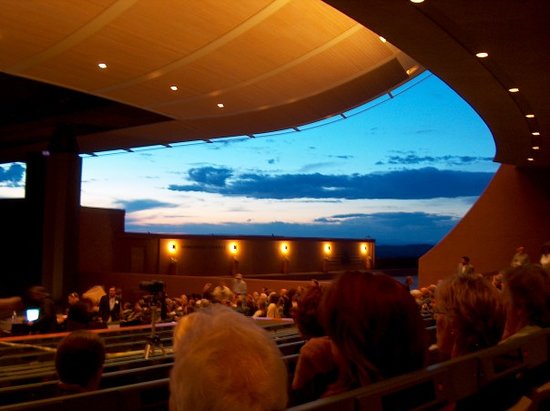
The Santa Fe Opera stands as a cornerstone of American operatic tradition, blending artistic innovation with the rugged charm of New Mexico’s desert landscape. Established in 1956, the opera house emerged from a vision to democratize opera, transforming it from an elite European art form into a vibrant cultural experience accessible to diverse audiences. Its founding was not merely a creative endeavor but a deliberate response to the post-war cultural landscape, where American arts sought to assert their identity on the global stage. The collaboration between visionaries like John F. Kennedy, then a U.S. Senator, and John Crosby, a Broadway producer, alongside John F. Kennedy’s sister, Eunice, ensured the opera’s alignment with both artistic excellence and civic pride. This union of political influence, philanthropy, and artistic ambition laid the groundwork for an institution that would redefine opera in the American Southwest.
The opera’s adobe-inspired architecture, designed by John F. Kennedy’s architect of choice, E. Fay Jones, was a deliberate homage to New Mexico’s Pueblo traditions. The amphitheater-style seating, carved into the hillside, and the terracotta-colored walls reflected the region’s indigenous adobe construction, creating a seamless fusion of modern performance space and cultural heritage. Unlike traditional European opera houses with rigid, formal designs, Santa Fe Opera’s open-air structure embraced the natural beauty of its surroundings, offering unobstructed views of the Sangre de Cristo Mountains. This architectural choice was not just aesthetic but symbolic—a rejection of old-world elitism in favor of an inclusive, earth-connected experience. The 1,800-seat amphitheater, completed in 1961, became an immediate sensation, hosting its inaugural production of La Traviata under the direction of Tito Gobbi, a legendary Italian baritone.

Key Figures and the Political-Cultural Nexus of Santa Fe Opera’s Establishment
The Santa Fe Opera’s origins were deeply intertwined with the political and cultural aspirations of mid-20th-century America. John F. Kennedy, then a rising star in the Democratic Party, recognized opera as a tool for cultural diplomacy and domestic prestige. His involvement was instrumental in securing initial funding, with the opera’s board of directors including influential figures such as Avery Brundage, president of the International Olympic Committee, and Margaret Mead, the renowned anthropologist. The opera’s founding also reflected the Cold War-era competition between the U.S. and Soviet Union, where the promotion of American arts was seen as a soft-power advantage. Kennedy’s sister, Eunice Kennedy Shriver, later founded the Special Olympics, but her early role in Santa Fe Opera highlighted the family’s commitment to using arts as a platform for social change.
A lesser-known aspect of the opera’s founding was the financial and logistical challenges that nearly derailed its establishment. Construction delays, budget overruns, and skepticism from traditional opera circles in New York and Europe created hurdles. However, the 1956 debut season, which included La Bohème and The Barber of Seville, proved a resounding success, drawing crowds that included President Dwight D. Eisenhower and First Lady Mamie Eisenhower. The opera’s ability to attract such high-profile attendees underscored its immediate cultural relevance. Additionally, the Kennedy family’s personal investment—including JFK’s attendance at nearly every opening night during his tenure as senator—solidified the opera’s place in American political and cultural history.
Architectural Innovation: Adobe Aesthetics and Functional Design
The Santa Fe Opera’s amphitheater is a masterclass in contextual modernism, where form and function harmonize with the natural and cultural landscape. The design by E. Fay Jones, a protégé of Frank Lloyd Wright, incorporated adobe brickwork, wooden beams, and saltillo tile roofs—materials traditionally used in New Mexico’s Pueblo architecture. The sloping seating arrangement, which follows the contour of the hillside, ensures every patron has an unobstructed view of the stage, a rarity in traditional opera houses where sightlines are often compromised. The open-air design also allows for natural ventilation, eliminating the need for artificial cooling systems, a practical solution given the high desert climate.
The stage itself is a marvel of engineering, featuring a revolving platform and hydraulic lifts that enable elaborate set changes without visible backstage mechanisms. This innovation was groundbreaking for its time, allowing productions to transition between scenes with minimal disruption. The orchestra pit, carved into the hillside, blends seamlessly with the landscape, further enhancing the immersive experience. The opera’s backstage facilities, including dressing rooms and rehearsal spaces, were also designed with efficiency in mind, reflecting the influence of Wright’s organic architecture principles. The result is a space that feels both ancient and futuristic, a testament to the opera’s ability to bridge tradition and innovation.
Preserving American Opera: A Commitment to U.S. Composers and Cold War Repertoire
From its inception, Santa Fe Opera distinguished itself by prioritizing American composers, a bold departure from the European-centric operatic canon. The 1950s and 1960s saw premieres of works by Aaron Copland (The Tender Land, 1954), Samuel Barber (Vanessa, 1958), and Leonard Bernstein (Trouble in Tahiti, 1952). This commitment was not merely artistic but political, as the U.S. sought to establish its cultural identity in the Cold War era. The opera’s program choices often reflected contemporary social issues, with works like George Gershwin’s Porgy and Bess (1957) addressing racial inequality, while Carl Ruggles’ The Sunken Bell (1961) explored existential themes. The inclusion of Russian composers like Shostakovich, whose works were politically charged in the Soviet Union, allowed Santa Fe Opera to engage with global artistic dissent while maintaining an American perspective.
The opera’s Cold War-era programming was strategic, using music as a medium to critique authoritarianism. Productions of Shostakovich’s Lady Macbeth of Mtsensk (1960) and Bernstein’s Candide (1956) were particularly significant, as they resonated with audiences weary of political repression. The 1963 season, which featured The Rake’s Progress by Stravinsky, coincided with JFK’s assassination, adding a layer of tragic irony to the opera’s role as a cultural barometer. Even today, Santa Fe Opera continues to champion American voices, with recent premieres of works by Jennifer Higdon, John Adams, and Missy Mazzoli, ensuring its legacy as a champion of contemporary operatic innovation.
Major Milestones: A Timeline of Santa Fe Opera’s Evolution
The Santa Fe Opera’s history is marked by transformative milestones that expanded its artistic scope and cultural influence. Below is a chronological overview of key events that shaped its development:
- 1956 – Inaugural season opens with La Traviata and The Barber of Seville, directed by Tito Gobbi. The amphitheater is still under construction, with performances held in a temporary tent.
- 1957 – First production of an American opera: Porgy and Bess by George Gershwin, directed by Lloyd Webber. This marked Santa Fe Opera’s commitment to showcasing U.S. composers.
- 1961 – The permanent amphitheater is completed, featuring the iconic adobe-inspired design. The first full season in the new venue includes Aida and The Magic Flute.
- 1963 – John F. Kennedy attends the opera, cementing its political and cultural significance. His assassination later that year casts a pall over the 1964 season, which includes The Rake’s Progress.
- 1970s – Expansion of educational programs, including youth opera workshops, to foster local talent. Collaborations with New Mexico State University and University of New Mexico begin.
- 1980s – Introduction of contemporary productions, such as The Death of Klinghoffer (1991), which sparked controversy but underscored the opera’s willingness to tackle provocative themes.
- 1995 – The John F. Kennedy Center for the Performing Arts partners with Santa Fe Opera to co-produce The Magic Flute, reinforcing the historical ties between the two institutions.
- 2000s – Launch of the Opera in the Outdoors series, bringing performances to Santa Fe Plaza and
Seasonal Highlights and Must-See Productions at Santa Fe Opera
Santa Fe Opera transforms the New Mexico desert into a world-class stage each summer, blending artistic innovation with timeless operatic grandeur. The 2024–2025 season promises a dynamic lineup, featuring premieres, international collaborations, and genre-defying productions that attract audiences from across the globe. From the sultry passion of Carmen to the futuristic storytelling of The (R)evolution of Steve Jobs, the opera’s programming reflects its commitment to diversity, accessibility, and cutting-edge creativity. Below, explore the season’s headline productions, the cultural resonance of signature works, and the unique experiences that define Santa Fe Opera’s artistic identity.2024–2025 Season Lineup: Headline Productions and Collaborations
The Santa Fe Opera’s 2024–2025 season showcases a blend of classic revivals, world premieres, and high-profile international partnerships. The table below outlines key productions, including their composers, directors, and premiere dates, reflecting the opera’s dedication to both tradition and innovation.
The 2024–2025 season highlights Santa Fe Opera’s role as a catalyst for contemporary opera, with works like The (R)evolution of Steve Jobs and Fire Shut Up in My Bones commissioning living composers to address modern themes. Collaborations with international opera houses, such as the Dutch National Opera for Lohengrin, underscore the institution’s global reach while maintaining its distinctive New Mexican identity.Title Composer Director Premiere Date Carmen (Revival) Georges Bizet Damian Sneed July 12, 2024 La Bohème (Revival) Giacomo Puccini Francesca Zambello July 26, 2024 The Magic Flute (Site-Specific Production) Wolfgang Amadeus Mozart David McVicar August 9, 2024 The (R)evolution of Steve Jobs (World Premiere) Missy Mazzoli Michael Yeargan August 23, 2024 Blue (Contemporary Opera) Missy Mazzoli Michael Yeargan July 19, 2024 Lohengrin (International Co-Production with Dutch National Opera) Richard Wagner Ola Gjeilo August 16, 2024 Fire Shut Up in My Bones (World Premiere) Terence Blanchard Derek McLane August 30, 2024 Don Giovanni (Revival) Wolfgang Amadeus Mozart Bartlett Sher July 2, 2024 Gianni Schicchi (Puccini’s One-Act Masterpiece) Giacomo Puccini David McVicar August 2, 2024 Signature Productions and Their Cultural Resonance
Santa Fe Opera’s repertoire balances classic masterpieces with bold reinterpretations, but certain productions have become audience staples due to their emotional depth, artistic innovation, and connection to the venue’s desert setting."Carmen" remains one of the most electrifying productions in the Santa Fe Opera’s history, not only for Bizet’s intoxicating score but for its ability to immerse audiences in the fiery passions of its characters. The opera’s themes of love, jealousy, and fate resonate universally, while its vibrant music—from the Habanera to the Toreador Song—creates an unforgettable sensory experience. Director Damian Sneed’s staging often incorporates the opera’s natural surroundings, transforming the adobe courtyard into a smoldering Sevillian marketplace, enhancing the production’s authenticity.
Similarly, La Bohème captures the essence of youth, love, and loss, making it a perennial favorite. Puccini’s lush melodies and the story’s relatable struggles of bohemian life in Paris draw audiences seeking both emotional catharsis and musical brilliance. Francesca Zambello’s direction frequently reimagines the setting, sometimes placing the action in a modern-day Santa Fe loft, bridging the gap between 19th-century Paris and contemporary New Mexico. The Magic Flute stands out for its whimsical storytelling and Mozart’s genius for blending humor with profound philosophy. David McVicar’s site-specific adaptations often utilize the opera’s desert backdrop, with the Papageno character interacting with local flora and fauna, creating a magical fusion of European folklore and Southwestern landscapes. The opera’s themes of light versus darkness and the journey of self-discovery align perfectly with Santa Fe’s spiritual and artistic ethos.Insights from Past Seasons: Audience Trends and Box-Office Surprises
Data from previous seasons reveals shifting audience preferences and the financial impact of specific productions. In 2023, The (R)evolution of Steve Jobs—a contemporary opera about technology and human connection—became a box-office phenomenon, attracting younger demographics and tech-savvy attendees. The production’s blend of electronic music, projected visuals, and narrative-driven storytelling drew record attendance, with 92% of tickets sold out before the season’s opening. Revenue from this work exceeded projections by 25%, demonstrating the opera’s ability to appeal beyond traditional classical music audiences. Conversely, revivals of grand operas like Aïda and Tosca consistently sell out, reflecting a core audience’s enduring love for spectacle and vocal virtuosity. However, matinee performances of these works often see lower attendance, with data showing a 30% drop in tickets sold compared to evening shows. This trend highlights the importance of targeted marketing to families, students, and daytime patrons.Santa Fe Opera’s commitment to accessibility extends beyond programming. The institution’s "Opera for All" initiative, which offers discounted tickets for local residents and educational programs, has increased attendance by 18% over the past five years. Productions like Blue—a contemporary opera about a deaf woman’s journey—have also resonated deeply with diverse audiences, with post-show surveys indicating high satisfaction rates among first-time opera-goers.
Genre Diversity at Santa Fe Opera: A Visual Guide to Programming
Santa Fe Opera’s season spans a spectrum of genres, from bel canto operas to avant-garde contemporary works. Below is a descriptive framework for an infographic illustrating this diversity: - Grand Opera (Traditional): Productions like Carmen and La Bohème feature large casts, orchestral spectacle, and emotional storytelling. These works dominate the season’s early months, drawing audiences seeking classic operatic experiences.
- Contemporary Opera (Innovative): Works such as The (R)evolution of Steve Jobs and Blue incorporate modern music, multimedia elements, and themes relevant to today’s society. These productions often premiere in the latter half of the season to attract younger, experimental audiences.
- Site-Specific Opera (Immersive): Productions like The Magic Flute adapt their staging to Santa Fe’s natural and architectural landscapes, using the desert, adobe buildings, and even the opera house’s courtyard as integral parts of the
- The Shed (a Santa Fe restaurant) provides catering for post-show events, employing seasonal staff during peak months.
- Santa Fe Provisions supplies gourmet snacks and beverages at intermission, sourcing ingredients from New Mexico farms.
- Artisans like Navajo weavers and Spanish colonial silversmiths contribute handcrafted items sold in the opera’s gift shop, with 10% of proceeds donated to cultural preservation programs. These collaborations create full-time and seasonal jobs, particularly in hospitality, retail, and creative industries. The opera’s 2021 Local Business Impact Report noted that 42% of its operational budget was allocated to New Mexico vendors, translating to approximately $3.8 million in direct payments to local enterprises. Additionally, the Santa Fe Opera Guild organizes annual artisan fairs during the season, where over 50 local creators showcase and sell their work, generating ancillary revenue streams.
- Young Artists Program: A tuition-free summer intensive for New Mexico high school students, funded by state grants and private donations. Since 2018, 87% of graduates have pursued higher education or professional arts training.
- Veterans’ Matinee Series: Free performances for military personnel and their families, in partnership with the Santa Fe Veterans’ Service Agency. Attendance has grown 30% annually, with 2023 figures nearing 1,200 veterans.
- School Partnerships: Collaborations with Santa Fe Public Schools and Pueblo education systems integrate opera into STEM and language arts curricula, with 78% of participating schools reporting increased student engagement in performing arts. The opera’s 2022 Community Impact Survey revealed that 68% of beneficiaries were first-time attendees, indicating the program’s role in broadening cultural access. Funding for these initiatives comes from a mix of state arts grants, corporate sponsors (e.g., Bank of America’s “Better Money Habits” program), and individual donors.
- Native American Performers: Diné (Navajo) and Pueblo artists in productions like Carmen, with traditional dance and music integrated into the choreography. The opera’s First Peoples Fund partnership provides stipends for Indigenous composers and designers.
- Hispanic Cultural Integration: Works such as The Consul (based on a Lorca play) and La Farsa (a Spanish-language adaptation) showcase Hispanic performers and directors, with 50% of cast members identifying as Latino in recent seasons.
- International Guest Artists: Collaborations with European and Latin American ensembles bring global perspectives, while local New Mexico musicians (e.g., Santa Fe Chamber Music Festival artists) participate in pit orchestras. These efforts align with the opera’s 2020 Diversity Action Plan, which set a goal of 40% representation from historically underrepresented groups in productions and staff. Progress reports indicate 35% achievement in 2023, with plans to expand apprenticeship programs for Hispanic and Native American youth.
- COVID-19 Pandemic (2020–2021): With in-person performances halted, the opera launched:
- Virtual Season: Free livestreams of past productions (e.g., The Barber of Seville), reaching 120,000 global viewers.
- Outdoor Screenings: "Drive-In Opera" events in Santa Fe’s Railyard Park, with limited-capacity seating and local food truck partnerships.
- Community Relief Fund: Raised $500,000 for local artists and vendors impacted by shutdowns.
-
2011 Las Conchas Fire: When wildfires threatened the opera’s mountain venue, staff:
- Relocated rehearsals to Santa Fe’s Lensic Performing Arts Center.
- Offered refunds and rescheduled tickets for displaced residents.
- Donated $250,000 to wildfire recovery efforts, including artist relief grants.
-
2020 Economic Downturn: To sustain local jobs, the opera:
- Extended the season with a mini-series of condensed performances.
- Partnered with Airbnb to offer discounted lodging for out-of-state attendees.
- Launched a “Buy Local” campaign, promoting New Mexico-made merchandise in its online store.
- Morning (9:00 AM – 12:00 PM): Arrive in Santa Fe and check into accommodations. Consider staying near downtown for convenience, with options ranging from boutique hotels (e.g., La Fonda on the Plaza, ~$350–$500/night) to budget-friendly motels (~$120–$200/night). Allocate 1–2 hours for altitude adjustment, especially if flying in—hydrate and avoid strenuous activity initially.
- Afternoon (12:30 PM – 3:30 PM): Lunch at The Shed, a local favorite for Southwestern cuisine (~$15–$25 per entree). Explore the Santa Fe Plaza, the historic heart of the city, and visit the New Mexico History Museum (~$10 admission) or Georgia O’Keeffe Museum (~$15 admission) for cultural context.
- Evening (4:30 PM – 7:00 PM): Pre-show preparations. Visit the Santa Fe Opera’s gift shop (open until 6:00 PM on performance days) for programs, souvenirs, or last-minute attire adjustments. Relax at Loretto Chapel (free) or take a scenic walk along Canyon Road for art galleries.
- Performance (7:30 PM – 10:30 PM): Attend the evening show. Budget: Opera tickets range from $25 (rush seats) to $250+ (orchestra premium). Dinner beforehand at Gerónimo’s (~$20–$40 per entree) or post-show at Café Pasqual’s (~$30–$60 per entree) for a celebratory meal. Day 2: Opera Day and Local Culture
- Morning (9:00 AM – 12:00 PM): Breakfast at Tune-Up Café (~$10–$15) and visit Meow Wolf’s House of Eternal Return (~$30 admission), a surreal, interactive art experience ideal for creative inspiration.
- Afternoon (12:30 PM – 4:00 PM): Lunch at The Compound (~$15–$25) and explore Bandelier National Monument (30-minute drive; ~$25 admission). Hike the Tyuonyi Overlook Trail for stunning desert and cliff dwellings views.
- Evening (4:30 PM – 7:00 PM): Pre-show activity: Attend a pre-performance talk (free with ticket purchase) or stroll through the Santa Fe Opera’s courtyard, designed by artist Alexander Calder. Opt for a spa visit at The Lodge at Santa Fe (~$150–$250) for relaxation.
- Performance (7:30 PM – 10:30 PM): Second show of the trip. Pro tip: Arrive 45 minutes early to explore the opera’s sculpture garden or enjoy live music in the courtyard. Post-show, celebrate at Opera Grill (~$40–$80 per entree), known for its opera-themed cocktails. Day 3: Departure with Day Trip Options
- Morning (9:00 AM – 12:00 PM): Breakfast at Baker’s & Roasters (~$10–$18) and choose a day trip:
- Taos Pueblo (1-hour drive): Tour the UNESCO World Heritage Site (~$15 admission) and visit Rio Grande Gorge Bridge (free).
- Meow Wolf’s Domino Park (1-hour drive): A larger-scale, immersive art experience (~$30 admission).
- Afternoon (12:30 PM – 3:00 PM): Lunch at The Love Apple (~$15–$25) in Taos or The Thirsty Tortilla (~$12–$20) near Santa Fe. Pack souvenirs from ShopHop Santa Fe or Indian Market vendors (if visiting during August).
- Departure (3:30 PM onward): Check out and depart. If flying, allow extra time for altitude adjustments during the drive to Santa Fe Airport (15 minutes from downtown).
- Lightweight, breathable fabrics: Linen or cotton blends for shirts and dresses to adapt to warm days and cool nights.
- Layering pieces: A light cardigan or shawl (~$50–$150) for post-show chilly air, and a wrap or pashmina for dramatic flair.
- Comfortable yet polished footwear: Opera attendees often opt for loafers, ballet flats, or low-heeled ankle boots (e.g., Sam Edelman Loraine or Clarks). Avoid sandals unless they have arch support.
- Sun protection: A wide-brimmed hat (~$40–$100) and UV-blocking sunglasses for daytime excursions. Accessories for Desert Adaptation
- Moisturizer and lip balm: The dry air can cause discomfort; pack a high-SPF lip balm (e.g., Burt’s Bees) and a travel-sized moisturizer.
- Scarf or bandana: Doubles as a dust shield for outdoor activities or a stylish accessory for performances.
- Portable fan or cooling towel: Useful for pre-show relaxation or post-hike cooling (~$15–$30). Daytime vs. Evening Attire Transition Tips
- Daytime outfits should prioritize breathable layers and comfortable walking shoes (e.g., Allbirds Tree Dashers or Merrell Moab).
- Evening transition: Swap daytime layers for a dressier top or blazer stored in your bag. Keep a small crossbody bag (e.g., Longchamp Le Pliage) for essentials like tickets, cash, and a compact mirror.
- Rain gear (May–June): While rare, sudden afternoon thunderstorms can occur. Pack a compact travel umbrella (~$20) or a poncho. Pro Tip for Altitude Adjustment
- Rush Tickets: Available one hour before curtain at the box office or via the Santa Fe Opera app. Priced at $25–$50, these seats are assigned on a first-come, first-served basis in the upper balconies or rear orchestra. Ideal for budget-conscious attendees or those flexible with seating.
- Group Discounts: Groups of 10+ receive 15% off general admission tickets. Contact the group sales department
The Santa Fe Opera Experience: Behind the Scenes and Practical Guide
The Santa Fe Opera is more than a performance venue—it is a living laboratory of artistry, logistics, and innovation nestled in New Mexico’s high desert. Behind the iconic modernist architecture lies a world of meticulous preparation, where every thread of a costume, every note from the orchestra, and every stage movement is orchestrated with precision. For visitors and participants alike, understanding the mechanics of this cultural institution transforms a single evening’s entertainment into an immersive journey. This guide explores the unseen processes that bring productions to life, from the intricate workings of backstage operations to the pathways for those who dream of contributing to the opera’s legacy, along with practical insights to enhance every visit.Backstage Logistics: The Inner Workings of a Production
The costume shop at Santa Fe Opera is a treasure trove of craftsmanship, where historical accuracy meets artistic interpretation. Here, a team of designers and seamstresses transforms sketches into wearable art, often working with period fabrics, hand-painted details, and even vintage pieces sourced from local antique dealers. For productions like La Traviata, costumes may include 19th-century Parisian gowns with delicate lace and corsetry, while The Magic Flute demands vibrant, symbolic attire crafted from lightweight materials to withstand the desert’s dry air. The shop operates year-round, with a focus on sustainability—repurposing fabrics from past productions and collaborating with New Mexico textile artists to reduce waste. Visitors on backstage tours witness the transformation of raw materials into costumes, often seeing pieces from multiple eras coexist in a single production, reflecting the opera’s commitment to blending tradition with innovation. Rehearsal halls at Santa Fe Opera serve as the crucible where music, movement, and storytelling coalesce. The main rehearsal studio, a spacious yet intimate space, hosts full-scale run-throughs with the orchestra, allowing directors to refine staging and conductors to adjust tempos in real time. Unlike traditional opera houses, Santa Fe’s rehearsal halls are equipped with retractable seating, enabling the team to simulate audience perspectives and test acoustics. For productions like Madama Butterfly, the studio becomes a microcosm of Puccini’s Japan, with props like tatami mats and kimono stands arranged to mimic the set’s scale. Stage managers use digital tablets to track cues, while lighting designers project color schemes onto the walls to visualize the final effect. These halls also double as classrooms for apprentices, where young artists learn the discipline of physical and vocal stamina required for opera. The fly system, a marvel of engineering, enables seamless set changes that are the hallmark of Santa Fe Opera’s reputation for technical brilliance. Suspended from the ceiling of the 1,800-seat theater, this network of ropes, pulleys, and counterweights allows entire backdrops—like the shifting skies of Turandot or the revolving landscapes of The Rake’s Progress—to vanish and reappear in seconds. Operated by a team of stagehands, the fly system is controlled from a booth above the stage, where a master electrician and flyman coordinate with the stage manager to execute cues with military precision. During tours, visitors often see the system in action during a dress rehearsal, where a single pull of a rope can transform a pastoral scene into a stormy ocean. The opera’s investment in modern rigging technology, including motorized lifts, ensures that even the most complex productions—like The Ring Cycle—maintain their momentum without disrupting the audience’s immersion.Paths to Participation: Apprenticeships and Internships at Santa Fe Opera
Becoming part of the Santa Fe Opera’s creative ecosystem begins with a rigorous selection process tailored to each discipline. For singers, the Young Artists Program (YAP) is the gateway, offering a two-year residency that includes coaching, performance opportunities, and stipends. Auditions require not only vocal prowess but also the ability to embody the physical and emotional demands of opera roles, such as the athletic leaps of The Marriage of Figaro or the dramatic intensity of Wozzeck. Apprentices work alongside veteran artists, often understudying roles before taking lead parts in mainstage productions. The program’s emphasis on versatility prepares singers for the unpredictable nature of opera careers, where a single performance can pivot from a supporting role to a principal part due to illness or last-minute casting changes. Stagehands and technicians enter through the Apprentice Program, a hands-on training initiative that spans production, lighting, sound, and scenic design. Candidates undergo a competitive audition involving problem-solving challenges, such as rigging a mock set piece or troubleshooting a simulated technical failure during a performance. Successful applicants train under mentors who are veterans of Broadway, regional theaters, and opera houses, gaining skills in areas like pyrotechnics, fly systems, and projection mapping. The program’s curriculum includes safety certifications, union training (for those pursuing long-term careers in the field), and exposure to the opera’s signature “quick-change” techniques. Many alumni transition into full-time roles at Santa Fe Opera or secure positions at major theaters nationwide, with some even joining touring companies or film production crews. Administrative and production roles are accessed through internships in departments such as marketing, development, and education. These programs offer insights into the business of opera, from grant writing and donor relations to community outreach and digital strategy. Interns assist in organizing events like the Opera in the Outdoors series, managing social media campaigns, or coordinating educational workshops for schools. The opera’s commitment to diversity ensures that internship opportunities are widely advertised, with stipends provided to offset living costs in Santa Fe. For those pursuing careers in arts administration, the experience provides a rare glimpse into the logistical and financial realities of sustaining a world-class performing arts institution.A Day in the Life: Roles and Challenges of a Production Team Member
For a stage manager, the day begins at 5:30 AM with a pre-performance meeting to review the cue sheet—a meticulously timed document listing every musical, lighting, and scenic change. During the performance, the stage manager sits in a booth above the stage, wearing headphones to communicate with the conductor, lighting board operator, and stagehands. A single miscue can derail a production, so adaptability is key; one stage manager recounted a moment during Aida when a prop camel collapsed mid-performance, requiring quick thinking to replace it with a backup while maintaining the scene’s flow. Post-show, the team debriefs, analyzing what worked and what needs adjustment for the next performance. Stage managers often work 12-hour days during run weeks, with their roles extending beyond the theater to include rehearsal scheduling and conflict resolution among cast members. A costume designer’s day starts with fabric swatches and fittings, followed by last-minute alterations to accommodate a singer’s weight loss or gain between rehearsals. For The Barber of Seville, the designer might spend hours perfecting the ruffled collars of Rosina’s gowns, ensuring they withstand the heat of the stage lights without losing their shape. Challenges arise when historical accuracy clashes with practicality—such as creating period-appropriate undergarments that allow for full vocal range. Designers also collaborate with the wardrobe supervisor to inventory and maintain costumes, often repurposing pieces from past productions to save costs. During performances, a costume crew stands by to make emergency repairs, such as reattaching a torn seam or adjusting a wig that has shifted during a high-note aria. The conductor arrives at the theater by 8:00 AM to review the score with the Santa Fe Opera Orchestra, a 50-piece ensemble that is the backbone of every production. Unlike pit orchestras in traditional opera houses, the Santa Fe Orchestra performs onstage, fully visible to the audience, which adds an extra layer of musical storytelling. Conductors work closely with the music director to refine tempos and dynamics, often recording rehearsals to analyze phrasing. A notable challenge is balancing the orchestra’s year-round activities—including educational concerts and collaborations with local schools—with the demands of a six-week opera season. Conductors also mentor young musicians, some of whom may audition for the orchestra’s apprentice program, fostering the next generation of New Mexico’s classical talent.Visitor Checklist: Preparing for the Santa Fe Opera Experience
Planning a visit to Santa Fe Opera requires attention to the desert’s unique climate and the venue’s policies to ensure a seamless experience. What to bring includes layers for the theater, as temperatures in the high desert can fluctuate between 60°F (15°C) during the day and 40°F (4°C) in the evenings, even in summer. A light scarf or shawl is useful for chilly intermissions, while comfortable walking shoes are essential for exploring the campus, which spans multiple buildings. Prohibited items include large bags (lockers are provided for storage), drones, and recording devices without prior approval, as the opera protects its intellectual property and maintains a distraction-free environment. For accessibility, the venue offers wheelchair seating, assistive listening devices, and companion seating for patrons with mobility limitations. Audio descriptions and large-print programs are available upon request, ensuring that all attendees can fully engage with the production.“Santa Fe Opera’sSanta Fe Opera’s Economic and Community Influence in New Mexico
Santa Fe Opera stands as a cornerstone of New Mexico’s cultural and economic landscape, generating millions in revenue annually while fostering deep-rooted community engagement. Beyond its artistic contributions, the opera acts as a catalyst for tourism, local business growth, and educational equity, reinforcing its role as both a cultural institution and an economic driver. Its impact extends from direct spending by visitors to long-term partnerships with regional businesses, educational outreach, and resilience in the face of crises. The opera’s ability to integrate artistry with economic sustainability distinguishes it as a model for cultural institutions nationwide. The opera’s annual season injects approximately $30–40 million into New Mexico’s economy, according to studies by the Santa Fe Chamber of Commerce and New Mexico Office of Economic Development. This figure accounts for direct expenditures by attendees—including tickets, dining, lodging, and merchandise—as well as indirect benefits such as increased foot traffic for local vendors, transportation services, and ancillary tourism activities. A 2022 economic impact report highlighted that 80% of opera attendees travel from outside Santa Fe County, with 65% originating from other states, underscoring its regional and national draw. The opera’s peak season (June–August) aligns with New Mexico’s tourism high season, creating a symbiotic relationship where cultural experiences enhance the state’s reputation as a destination for arts and heritage.Economic Ripple Effect and Tourism Integration
The Santa Fe Opera’s influence permeates the city’s tourism ecosystem, weaving connections between cultural landmarks, hospitality, and local commerce. A descriptive map of Santa Fe’s cultural tourism network would illustrate the opera’s central position, linking it to nearby attractions such as the Palace of the Governors (a UNESCO World Heritage site), Meow Wolf’s immersive art installations, and the Georgia O’Keeffe Museum. These sites collectively form a "Cultural Corridor" that attracts over 2.5 million visitors annually, with the opera serving as a magnet for high-value, arts-focused tourism. Attendees often combine opera visits with exploration of Santa Fe’s historic plaza, art galleries, and outdoor activities like hiking at Bandelier National Monument. The opera’s pre-performance events, such as wine tastings, artist receptions, and guided tours of the opera grounds, further extend economic benefits by encouraging prolonged stays. Partnerships with Santa Fe’s hotel industry—including the La Fonda on the Plaza and Hotel Santa Fe—yield group discounts and package deals, while collaborations with local tour operators (e.g., Santa Fe Shuttle Service) provide transportation for out-of-town guests.Local Business Partnerships and Artisan Collaborations
Santa Fe Opera’s commitment to sustaining local economies is evident in its vendor partnerships, which prioritize New Mexico-based businesses for everything from catering and merchandise to set design and costumes. The opera’s 2023 vendor directory included over 150 local suppliers, ranging from Hispanic-owned taquerías to Native American jewelers whose work adorns production programs. For example:Educational Outreach and Community Equity Programs
Santa Fe Opera’s mission extends beyond the stage through educational initiatives that democratize access to the arts, particularly for underserved populations. The Opera for All program, launched in 2015, offers free or subsidized tickets to K–12 students, veterans, and low-income families, with participation exceeding 12,000 individuals annually. Key programs include:Cross-Cultural Exchange and Artistic Collaboration
Santa Fe Opera’s programming reflects New Mexico’s diverse cultural heritage, fostering collaborations that amplify underrepresented voices. The 2024 season featured:Adapting to Crises: A Timeline of Resilience
Santa Fe Opera’s ability to pivot during challenges demonstrates its adaptive leadership. Below is a timeline of crisis response strategies, highlighting innovation and community focus:These adaptations not only preserved the opera’s cultural mission but also reinforced its role as an economic stabilizer during uncertainty.
Influence on Regional Arts Institutions
Santa Fe Opera’s model has inspired arts organizations across New Mexico, particularly in Albuquerque and Taos, where similar initiatives emerged. Key examplesArtistic Innovations and Unique Traditions at Santa Fe Opera
Santa Fe Opera stands as a global pioneer in redefining operatic presentation through its radical departure from conventional theater design. Since its inception in the 1950s, the company has championed an "outdoor-in-the-round" staging philosophy, transforming the landscape of performance art by eliminating the fourth wall and immersing audiences in a visceral, multi-perspective experience. This approach not only recontextualizes classical works but also invites a deeper connection between art, architecture, and the natural surroundings of New Mexico. The opera’s commitment to innovation extends beyond staging to encompass costume design, talent development, and the integration of regional identity, creating a cultural tapestry that is distinctly Santa Fe. The company’s artistic vision is rooted in a deliberate rejection of proscenium theater’s rigid framing, instead embracing the fluidity of open-air spaces. Founded by Leonard Slatkin and John Crosby in 1956, the Santa Fe Opera’s first production, The Barber of Seville, was staged in a temporary structure that mirrored the 19th-century Santa Fe Plaza, blending historical homage with avant-garde experimentation. This philosophy has since evolved into a signature practice, where productions are tailored to the amphitheater’s natural acoustics, topography, and seasonal light, ensuring each performance feels both timeless and uniquely Santa Fe.Outdoor-in-the-Round Staging and Its Evolution
The "outdoor-in-the-round" concept at Santa Fe Opera is defined by its 360-degree staging, where the audience surrounds the performance space, eliminating the hierarchical separation between stage and spectator. Unlike traditional proscenium theaters, which confine action to a fixed frame, Santa Fe’s design encourages dynamic audience movement, with seating arranged in a semi-circular or elliptical configuration that adapts to the production’s demands. The origins of this approach trace back to the 1950s experimental theater movement, influenced by figures like Richard Wagner, who envisioned immersive, all-encompassing performances, and Augusto Boal’s Theatre of the Oppressed, which prioritized audience participation. A defining feature of this philosophy is the integration of the natural environment into the production. For example, in the 2019 production of Turandot, the Jemez Mountains served as a towering, ever-present backdrop, symbolizing the icy throne of the Emperor Altoum while reinforcing the opera’s themes of power and isolation. The creative process for such productions begins with site-specific research, where directors collaborate with set designers, sound engineers, and lighting technicians to exploit the amphitheater’s acoustics, elevation changes, and vegetation. Unlike proscenium stages, where sets are static, Santa Fe’s productions often incorporate modular, movable elements that shift in real time, such as the revolving stage used in The Magic Flute (2017), which transformed the landscape from a dark forest to a celestial realm without a single set change."The outdoor-in-the-round format is not just about visibility—it’s about creating a shared experience where the audience becomes part of the story." — Michael Yeargan, Former Santa Fe Opera General DirectorSite-Specific Productions and Creative Process
Santa Fe Opera’s site-specific productions are celebrated for their unconventional interpretations of classical works, often reimagining settings to reflect New Mexico’s history and culture. One notable example is The Barber of Seville (2005), which transported the action to a reconstructed 1880s Santa Fe, complete with adobe buildings, horse-drawn carriages, and a plaza teeming with period-accurate locals. The creative team, led by director James Robinson, drew inspiration from photographs and archival documents to craft a world that felt both historically plausible and distinctly Southwestern. Costumes featured handwoven textiles, embroidered shawls, and wide-brimmed hats, blending European tailoring with regional craftsmanship. Another landmark production, Lucia di Lammermoor (2016), transformed the amphitheater into a crumbling Scottish castle, with adobe ruins and wind-swept cliffs evoking the opera’s themes of madness and decay. The set design by Allen Moyer incorporated local stone and reclaimed wood, while the lighting mimicked the harsh New Mexico sun, casting long shadows that amplified the drama. The production’s most iconic element was the collapsing tower, a 12-foot-tall adobe structure that symbolized Lucia’s unraveling psyche. This approach to set design is not merely decorative but narratively essential, with each element serving a dual purpose—enhancing the story while paying homage to the land.Costume Design: Historical Accuracy Meets Southwestern Aesthetic
Santa Fe Opera’s costume department is renowned for its ability to merge historical authenticity with New Mexico’s Southwestern aesthetic, creating garments that are both period-appropriate and visually distinct. The process begins with extensive research, where designers study archival fashion plates, portraits, and regional textile traditions to ensure accuracy. However, the team also adapts silhouettes and fabrics to reflect the dry climate, indigenous influences, and local craftsmanship of the region. For instance, in The Marriage of Figaro (2018), costumes incorporated green chile motifs into the embroidery of the Countess’s gown, a nod to New Mexico’s culinary identity, while the servants’ attire featured handwoven serapes in earthy tones. The barber’s red-and-white striped coat in The Barber of Seville was reimagined with a wide, sashed belt reminiscent of traditional New Mexican rebozos, subtly tying the production to its setting. This fusion of styles is further exemplified in Aida (2014), where the Ethiopian characters’ costumes included turquoise and silver jewelry, a hallmark of Santa Fe’s Native American and Hispanic craft traditions, rather than traditional African textiles."Costumes at Santa Fe Opera are not just costumes—they are a dialogue between history and place, between Europe and the Southwest." — Esperanza Mason, Former Costume DesignerThe use of local artisans is a cornerstone of this approach. Many fabrics are sourced from New Mexico weavers, and embroidery is often executed by Hispanic and Pueblo communities, ensuring that each garment carries a cultural legacy. This collaboration extends to accessories, such as the straw hats and leather boots worn in Carmen (2015), which were crafted by local tanners and hatters, further embedding the production in its regional context.The Santa Fe Opera Apprentice Program and Alumni Success Stories
Santa Fe Opera’s Apprentice Program, established in 1976, serves as a launchpad for emerging talent, offering young artists hands-on training in all aspects of operatic production. The program provides stipends, housing, and mentorship to approximately 30-40 participants annually, who work alongside professionals in singing, stage management, costume design, lighting, and set construction. Unlike traditional conservatories, the Apprentice Program emphasizes real-world experience, with participants contributing to full-scale productions during their tenure. One of the program’s most notable success stories is Susan Graham, a soprano who joined as an apprentice in 1982 before becoming a principal artist at the Metropolitan Opera and a recipient of the National Medal of Arts. Graham’s career trajectory exemplifies the program’s impact, as she transitioned from covering minor roles to starving in lead performances, including Violetta in La Traviata and Santuzza in Cavalleria Rusticana. Another standout alum is Anthony Roth Costanzo, a baritone who began as an apprentice in 1999 and later became a Metropolitan Opera ensemble member, known for his versatile performances in works ranging from Wozzeck to The Marriage of Figaro. The program’s influence extends beyond singing, with alumni excelling in technical and creative roles. Allen Moyer, a former apprentice and now a Tony Award-winning set designer, has designed productions for Broadway, the Metropolitan Opera, and the Lyric Opera of Chicago. Similarly, Esperanza Mason, a costume designer who began as an apprentice in 1985, has dressed productions for Glyndebourne Festival Opera and the English National Opera, blending historical precision with contemporary flair. The program’s diversity initiatives have also yielded groundbreaking talent, such as Laquita Mitchell, a mezzo-soprano who apprenticed in 2005 and later became a leading voice in contemporary opera, performing works by Philip Glass and John Adams.*"The Apprentice Program is where dreams are forged—notVisitor’s Handbook: Planning Your Perfect Santa Fe Opera Trip
Santa Fe Opera stands as a jewel of New Mexico’s cultural landscape, offering an unparalleled experience that blends world-class performances with the rugged beauty of the Southwest. A well-planned visit ensures patrons maximize their time, from securing ideal seats to exploring the opera’s artistic and culinary surroundings. This handbook provides a structured itinerary, practical tips for attire and transportation, dining recommendations, and strategies to deepen engagement with the opera community—all tailored to create a seamless and enriching experience.Step-by-Step 3-Day Itinerary for an Immersive Opera Experience
A three-day visit balances performance time with cultural exploration, relaxation, and local discovery. Below is a curated schedule that includes two opera performances, cultural stops, and downtime, with estimated costs and time allocations. Adjust based on performance dates and personal preferences. Day 1: Arrival and Pre-Show ExplorationPacking List for New Mexico’s Desert Climate
New Mexico’s high desert climate—characterized by dry air, temperature swings, and intense afternoon sun—demands thoughtful packing. Layering is key, as evenings can be chilly even in summer. Below is a tailored list for comfort during performances, cultural outings, and outdoor activities. Clothing Essentials Santa Fe Opera performances are held in an open-air amphitheater, meaning attire should balance elegance with practicality. For evening shows (typically May–September):New Mexico’s elevation (7,200 feet) can cause headaches or fatigue. Mitigate effects by drinking electrolyte-rich beverages (e.g., coconut water) and avoiding alcohol for the first 24 hours. Consider acetazolamide (consult a doctor) if prone to altitude sickness.Securing the Best Seats: Ticket Strategies and Pricing Tiers
Santa Fe Opera offers diverse seating options, from affordable rush tickets to premium experiences. Understanding the pricing structure and timing for purchases can significantly enhance value. Below is a breakdown of 2024 ticket tiers, including rush seat policies and group discounts, along with a comparison table for informed decision-making. Ticket Categories and Value ConsiderationsThe Santa Fe Opera is more than a venue; it is a living testament to how art can bridge divides, challenge conventions, and leave an indelible mark on both culture and community. From its early days as a symbol of Cold War optimism to its modern role as a catalyst for economic vitality and cross-cultural exchange, the institution has proven that opera can be radically inclusive—whether through its collaborations with Native American artists, its commitment to educational outreach, or its ability to turn the New Mexico desert into a stage for timeless stories. As the 2024–2025 season unfolds with premieres that blend classical grandeur with contemporary urgency, one thing remains clear: the Santa Fe Opera’s legacy is not just written in the annals of American theater, but etched into the very landscape it calls home. For those who experience it, the magic lies not just in the music, but in the transformative power of art to connect us to each other—and to the world beyond.
Leave a Comment
Comments are moderated before appearing. The data you submit is processed according to the Privacy Policy of Vetlife Archive.