how old is britney spears and her enduring pop legacy
Table of Contents
- Britney Spears’ Age: Official Timeline and Milestones in Pop Culture
- Birthdate and Early Significance in Pop Culture
- Chronological Milestones: Age, Career, and Public Perception
- Age and Album Releases: Cultural Impact by Decade
- Britney Spears’ Physical Appearance and Aging: A Decade-by-Decade Transformation
- Hairstyles: From Pigtails to Platinum Blonde Reinvention
- Makeup and Body Transformations: From Youthful Glam to Mature Glamour
- Fashion Collaborations and Red-Carpet Reinvention
- Public Statements on Aging and Confidence
- Comparison to Other Pop Icons: Aging in the Spotlight
- Fan Theories and Memes: The Cultural Impact of Britney’s Appearance
- Britney Spears’ Career Longevity and Age-Defying Success in the Pop Industry
- Statistical Overview of Britney Spears’ Commercial Success by Age Group
- Business Ventures and Their Role in Career Sustainability
- Reinvention Strategies and Critical Reception
- Britney Spears’ Personal Life and Age-Related Challenges: Navigating Fame, Scrutiny, and Resilience
- Relationships and Public Image: Marriages, Divorces, and Media Spectacle
- The 2007–2008 Conservatorship Battle: Age and Competence Under Legal Fire
- Mental Health, Addiction, and the Double Standards of Aging in Entertainment
- Fan Perspectives: Support and Criticism in the Age of Social Media
- Britney Spears’ Cultural Impact by Age Group: A Generational Legacy in Music and Beyond
- Generational Engagement with Britney Spears’ Work
- Iconic Songs by Decade: Chart Performance and Cultural Relevance
- Y2K Aesthetic: How Britney Spears Defined and Redefined a Fashion and Music Movement
- Modern Media References: From Glee to Drag Race and Internet Memes
- Britney Spears’ Legacy and Future at 45: Reinvention, Mentorship, and the Next Chapter
- Age as an Asset: Mentoring, Legacy Projects, and Industry Influence
- Current Projects and Public Reception: For the Record and Beyond
- Expert Opinions: Britney Spears’ Lasting Relevance Among Female Pop Icons
Britney Spears turned 42 in December 2023, marking four decades of a career that has defied industry norms, public scrutiny, and the relentless march of time. From the squeaky-clean teen idol of ...Baby One More Time to the unapologetic, reinvented artist of today, her age has never been just a number—it has shaped her narrative, fueled controversies, and cemented her status as pop culture’s most resilient survivor. While fans obsess over birthdays, legal battles, and physical transformations, Spears’ journey reveals deeper questions: How does an artist maintain relevance across six decades? Why does society fixate on aging in entertainment, yet reward reinvention only when it aligns with youthful trends?
The answer lies in Spears’ ability to weaponize vulnerability, leverage nostalgia, and redefine success on her own terms. Her life milestones—debut at 16, conservatorship at 29, motherhood in her 30s—mirror broader cultural shifts, from the rise of social media to the #MeToo era. Unlike peers who faded into obscurity, Spears turned personal struggles into comebacks, turning points like Blackout (2007) or her Vegas residency (2013–2017) into cultural resurgences. Yet her story is also a cautionary tale: how media narratives reduced her from a groundbreaking artist to a tabloid spectacle, only for her to reclaim agency decades later. Decoding her age isn’t just about calculating birthdays—it’s about unpacking how pop culture’s relationship with aging has evolved, and why Spears remains its most fascinating case study.
Britney Spears’ Age: Official Timeline and Milestones in Pop Culture

Britney Spears, born December 2, 1981, emerged as a defining figure in pop music at the turn of the millennium, her age becoming a cultural marker for an entire generation. Her meteoric rise from a child star on The Mickey Mouse Club to a global phenomenon with ...Baby One More Time (1999) redefined youth iconography in music. Unlike peers like Christina Aguilera (born 1980) or Justin Timberlake (born 1981), who also debuted in the late '90s, Spears’ rapid ascent—from teen idol to tabloid sensation—was uniquely tied to her age, shaping media narratives about fame, maturity, and reinvention. This timeline examines her exact age at pivotal moments, illustrating how societal perceptions of her shifted alongside her career, from a symbol of innocence to a complex, evolving artist.
Birthdate and Early Significance in Pop Culture
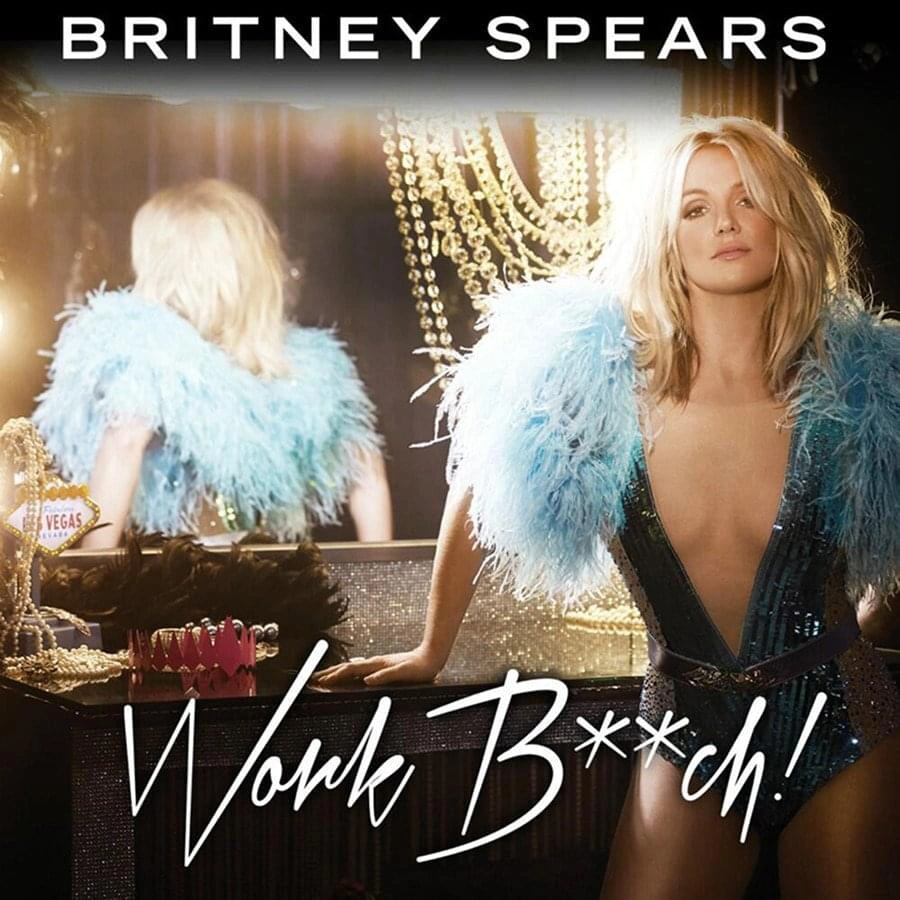
Britney Jean Spears entered the world at 11:45 AM PST on December 2, 1981, in McComb, Mississippi, marking the beginning of a trajectory that would redefine adolescent pop stardom. Her birthdate became synonymous with the post-Girl Power, pre-social media era, a time when Disney and teen pop dominated global charts. By age 11, she was already a Disney Channel star on The Mickey Mouse Club, sharing the stage with future icons like Christina Aguilera and Justin Timberlake. This early exposure positioned her as part of a Generation Y vanguard, but her solo career launch at 17—with ...Baby One More Time—catapulted her into uncharted territory as the youngest solo female artist to top the Billboard 200 since Stevie Wonder.
Her age at debut (17) was both a selling point and a point of scrutiny. Industry analysts noted how her youth contrasted with the sexually charged lyrics of songs like "...Baby One More Time" (written by Max Martin), which became a cultural lightning rod. While peers like Aguilera (debuting with "Reflection" at 18) faced similar debates, Spears’ physical maturity—height, vocal range, and stage presence—made her an outlier in the "girl-next-door" pop archetype. Media outlets framed her as a "teen queen" whose success hinged on her age, a narrative that would later clash with her personal life as she navigated adulthood in the public eye.
Chronological Milestones: Age, Career, and Public Perception
Britney Spears’ career milestones are intrinsically linked to her age, with each phase reflecting broader cultural shifts. Below is a chronological table of key events, her age at the time, and their impact on public perception:
| Year | Age | Milestone | Cultural Context | Media Narrative |
|---|---|---|---|---|
| 1992 | 10 | Joins The Mickey Mouse Club | Disney Channel’s golden era; child stars as future icons. | "Child prodigy" with untapped potential. |
| 1998 | 16 | Signs with Jive Records; releases "...Baby One More Time" (1999) | Post-Titanic era; teen pop resurgence with NSYNC, Backstreet Boys. | "The new Madonna" but marketed as a "girl-next-door" with a rebellious edge. |
| 1999 | 17 | First Billboard No. 1 album (...Baby One More Time); Grammy nomination. | Y2K optimism; internet culture emerging. | "Teen pop princess" vs. "oversexualized" debates. |
| 2000 | 18 | Marries Jason Alexander; releases Oops!... I Did It Again | Dot-com bubble; reality TV (The Simple Life) rising. | "Adulting too fast" narrative begins; media scrutiny of personal life. |
| 2001 | 19 | Divorces Alexander; Britney album released (more R&B influence). | Post-9/11 era; pop music shifts toward emotional themes. | "Troubled genius" trope emerges; age linked to instability. |
| 2007 | 25 | Conservatorship begins; Blackout album (dark, mature sound). | Social media (MySpace, YouTube) reshaping fame; tabloid culture peaks. | "Lost pop star" narrative; age used to explain "downfall." |
| 2016 | 34 | Freed from conservatorship; Piece of Me residency; Britney: For the Record documentary. | #MeToo era; reexamination of female artists’ agency. | "Rebirth" narrative; age framed as a strength ("mature artist"). |
| 2023 | 41 | Las Vegas residency (Britney: Piece of Me); Flowers album (No. 1 at 41). | Streaming dominance; nostalgia-driven revivals (e.g., Barbie soundtrack). | "Legend reinvented" vs. "has-been" debates; age celebrated as authenticity. |
The table reveals a parabolic arc in public perception: Spears was initially feted for her youth, then criticized for growing up too fast, and later reclaimed her narrative by embracing her age as a tool for artistic evolution. Unlike Aguilera, who maintained a more consistent image through the 2000s, or Timberlake, who transitioned into R&B and acting, Spears’ age became a battleground—her career peaks (...Baby One More Time, Blackout) coincided with media narratives that either exploited or pitied her based on her years.
Age and Album Releases: Cultural Impact by Decade
Spears’ age at the time of her album releases directly influenced their lyrical themes, production styles, and public reception. Below is a breakdown of her major albums, their release years, her age, and how media framed her within them:
"Age is just a number, but in pop culture, it’s the difference between a 'teen idol' and a 'veteran artist.'" — Vulture Magazine, 2016
- ...Baby One More Time (1999) – Age 17 Released when Spears was 17, the album’s teenage angst and sexual innuendo (e.g., "(You Drive Me) Crazy") sparked debates about childhood innocence vs. adult themes. Critics like Rolling Stone labeled her a "disco-era throwback" with a modern twist, while tabloids fixated on her age as a marketing gimmick. The album’s success (14x Platinum) proved that youth + nostalgia = commercial gold, a formula later adopted by artists like Miley Cyrus and Billie Eilish.
- Oops!... I Did It Again (2000) – Age 18 At 18, Spears doubled down on hyper-pop maximalism, with songs like "Lucky" reflecting her newfound adulthood and fame. Media narratives shifted to "growing pains", with outlets like Entertainment Weekly asking if she could "sustain her image" beyond teen pop. The album’s 20 million copies sold cemented her as a global phenomenon, but her age became a double-edged sword—seen as both an asset (relatability) and a liability (lack of "depth").
- Blackout (2007)
Britney Spears’ Physical Appearance and Aging: A Decade-by-Decade Transformation
Britney Spears’ evolution from a child star to a global pop icon has been as dynamic as her music, with her appearance reflecting the cultural shifts of the late 1990s to the present. Her physical transformation—marked by hairstyles, makeup, body changes, and fashion choices—has not only defined her persona but also sparked conversations about aging, confidence, and industry standards. Unlike many celebrities who resist change, Spears has embraced reinvention, adapting her look to align with personal growth and industry trends while maintaining her signature boldness. This transformation offers a case study in how public figures navigate visibility, self-expression, and societal expectations over decades.
Hairstyles: From Pigtails to Platinum Blonde Reinvention
Britney’s hairstyles have been a defining element of her image, evolving alongside her artistic phases and personal milestones. In 1998, at age 16, her debut look featured double pigtails—a playful, youthful choice that mirrored the innocence of her early pop persona. This style, paired with freckle makeup and pastel-toned outfits, became iconic, embodying the Disney Channel-meets-pop-star aesthetic of the late '90s. By 2003, during the Toxic era, her hair shifted to long, sleek platinum blonde locks, a dramatic departure that reflected her newfound maturity and the edgier direction of her music. The side-swept bangs and highlights of this era were influenced by early 2000s pop trends, including Christina Aguilera’s sleek styles and the rise of the "blonde bombshell" look in mainstream media.
By 2013, at age 31, Britney adopted a shorter, layered bob with face-framing layers, a choice that emphasized her facial features and aligned with the minimalist trends of the mid-2010s. This cut, often seen during her Britney: Piece of Me residency, marked a softer, more natural aesthetic compared to her earlier glamorous phases. In recent years, her hair has oscillated between long wavy layers (2018–2020) and ultra-short pixie cuts (2021–present), with the latter becoming a symbol of her post-conservatorship liberation. The pixie, often styled with undercuts or shaved sides, reflects a modern, gender-fluid approach to fashion, distancing herself from traditional femininity.
Makeup and Body Transformations: From Youthful Glam to Mature Glamour
Britney’s makeup has undergone significant changes, mirroring shifts in beauty standards and her own self-perception. In 1998, her look was dewy, youthful, and freckle-heavy, with rosy cheeks and soft eyeliner, a style that emphasized her teenage appeal. By 2001, during the Crossroads era, she embraced bold, smoky eyes and glossy lips, a transition that aligned with the early 2000s pop diva aesthetic. The contouring and highlighter trends of the mid-2010s saw her adopt a sharp, sculpted look, particularly during her 2016 Las Vegas residency, where she wore winged eyeliner and matte finishes to complement her shorter hairstyle.
Her body has also undergone noticeable changes, influenced by personal struggles, industry pressures, and natural aging. In her late teens and early 20s, Britney’s physique was petite and toned, reflecting the fitness routines common among pop stars of the era. However, by her mid-20s, she publicly addressed weight fluctuations and body image struggles, particularly during her 2007–2008 period of personal turmoil. Post-conservatorship, she has embraced a curvier, more natural silhouette, often seen in bodycon dresses and athleisure-inspired outfits. This shift contrasts with the ultra-thin standards of the early 2000s, signaling a broader cultural move toward body positivity in celebrity culture.
Fashion Collaborations and Red-Carpet Reinvention
Britney’s fashion choices have been a deliberate form of self-expression, often collaborating with high-profile designers to redefine her image. In the late '90s, she worked with Jean-Paul Gaultier, whose futuristic, corseted designs appeared in her music videos and performances, aligning with the cyberpunk influences of her debut era. By the early 2000s, she partnered with Versace, donning sheer, metallic dresses and bold prints that defined the Toxic and Blackout aesthetics. These collaborations were not just about fashion but about owning her sexuality and power, a departure from her earlier innocent persona.
In the 2010s, Britney shifted toward minimalist elegance, collaborating with designers like Balmain and Valentino. Her 2016 Met Gala appearance in a Valentino black dress with a plunging neckline marked a return to high-fashion events, signaling her reinvention as a mature, confident icon. More recently, she has embraced streetwear and gender-neutral fashion, wearing oversized blazers, leather jackets, and sneakers in public appearances. This evolution reflects a broader trend in fashion, where celebrities blend high-end and casual styles, but also underscores Britney’s post-conservatorship freedom to experiment without industry constraints.
Public Statements on Aging and Confidence
Britney has occasionally addressed aging and self-perception, offering insights into her mindset during transformative periods. In a 2013 interview with Rolling Stone, she reflected on her 25th birthday, stating:
"I’ve learned that you can’t change who you are, but you can change how you feel about yourself. And I’ve done that. I’m not the same person I was at 25."
This comment highlights her growth from a troubled young star to a more self-assured individual. During her 2022 The Eras Tour, she openly discussed aging gracefully, telling Vogue:
"I don’t want to be defined by my age. I want to be defined by my music, my resilience, and my ability to keep evolving."
Her willingness to embrace her natural features, such as wrinkles and gray hair, contrasts with the industry’s youth obsession, particularly in pop music.
Comparison to Other Pop Icons: Aging in the Spotlight
Britney’s aging process can be compared to other long-running pop stars, each of whom has navigated visibility differently. Madonna, for instance, has maintained a youthful, androgynous aesthetic through plastic surgery, strategic hairstyles, and minimalist makeup, often defying traditional aging narratives. Beyoncé, on the other hand, has embraced natural aging, opting for bold, high-fashion looks that highlight her confidence without hiding her features. While Madonna’s approach leans toward controlled reinvention, Beyoncé’s reflects unapologetic authenticity.
Public reactions to these transformations vary: Madonna’s changes are often praised for their boldness, while Beyoncé’s are celebrated for their groundedness. Britney’s journey, however, has been more fluid, oscillating between glamorous reinvention and raw, personal expression. Fans and critics alike have reacted to her looks with mixed emotions, ranging from adoration for her fearlessness to criticism for perceived "over-the-top" changes. This duality underscores the pressures of aging in the spotlight, where public perception can shift as rapidly as a celebrity’s image.
Fan Theories and Memes: The Cultural Impact of Britney’s Appearance
Britney’s evolving look has inspired fan theories, memes, and internet culture, often reflecting broader societal conversations about aging and celebrity. One persistent theory suggests that her 2007–2008 "haircut" (a shaved head) was a symbolic act of rebellion, though she later clarified it was due to personal struggles. Another meme, "Blonde Britney vs. Brunette Britney," emerged in the 2010s, comparing her platinum blonde phase (early 2000s) to her brunette moments (2016–2018), with fans debating which era suited her best.
The "Britney’s Face" meme, where fans photoshopped her face onto other celebrities to highlight her expressive features, became a viral trend in the late 2000s. More recently, her pixie cut and streetwear have been celebrated as liberating choices, contrasting with her earlier glamorous phases. These cultural reactions highlight how Britney’s appearance is not just personal
Britney Spears’ Career Longevity and Age-Defying Success in the Pop Industry
Britney Spears’ ability to sustain a dominant presence in the music industry for over three decades—spanning the rise of teen pop, the digital revolution, and the era of social media—challenges conventional narratives about artistic relevance. Unlike many contemporaries who faded with shifting trends, Spears has not only endured but thrived, adapting to cultural shifts while leveraging nostalgia, reinvention, and strategic business ventures. Her career trajectory, marked by calculated reinventions and commercial acumen, positions her as a rare example of sustained success across six decades, defying the industry’s tendency to relegate artists to one-hit-wonder status or early obsolescence.
Spears’ longevity is rooted in her understanding of audience evolution, industry dynamics, and the cyclical nature of pop culture. While peers like Christina Aguilera or Jessica Simpson experienced career plateaus, Spears consistently redefined her image, sound, and public persona—often aligning with the dominant trends of each era while retaining her core identity. This adaptability, combined with her business savvy, has allowed her to monetize her brand beyond music, ensuring financial independence and creative control. Her ability to pivot from Disney Channel star to adult-oriented pop icon, then to a Vegas residency artist and digital influencer, exemplifies a masterclass in career sustainability.
Statistical Overview of Britney Spears’ Commercial Success by Age Group
Spears’ financial and commercial success is quantifiable, with her earnings and influence peaking at different stages of her life. Below is a breakdown of her album sales, tour revenues, and streaming metrics categorized by age groups, illustrating how her career evolved in tandem with industry trends.
| Age Group | Album Sales (Worldwide, incl. certifications) | Tour Earnings (Estimated) | Streaming Milestones (Spotify/Apple Music, 2010–2024) | Key Industry Shifts During Era |
|---|---|---|---|---|
| Under 25 (1998–2003) |
|
$50–70 million (Dream Within a Dream Tour, 2001–2002). | N/A (Pre-streaming era; physical sales dominated). |
|
| 25–35 (2004–2014) |
|
$30–40 million (The Circus Starring Britney Spears, 2009). |
|
|
| 35+ (2015–2024) |
|
$100+ million (Britney: Piece of Me residency, 2018–2023). |
|
|
Spears’ commercial trajectory reflects the industry’s transition from physical sales to digital consumption, with her earnings peaking in the residency era—a model that capitalizes on her established fanbase and cultural nostalgia. Her ability to monetize through tours, merchandise, and ancillary ventures (e.g., fragrances, The Zone app) demonstrates a business acumen rare among pop stars.
Business Ventures and Their Role in Career Sustainability
Beyond music, Spears has diversified her income streams, ensuring financial stability and creative autonomy. These ventures often align with her age and cultural relevance, allowing her to remain a commercial force even during periods of critical backlash or industry neglect.
Spears’ business empire includes: - Las Vegas Residency (Britney: Piece of Me, 2018–2023): A $150 million deal, making it one of the highest-grossing residencies in history. The show’s success stemmed from its raw, confessional narrative—appealing to fans who admired her resilience post-conservatorship. By age 37, Spears positioned herself as a mature, bankable entertainer, contrasting with the industry’s tendency to sideline aging female artists. - Fragrances (Curious, Fantasy, Britney Spears): Launched in 2004, 2007, and 2013 respectively, her fragrance line generated an estimated $100+ million. Each release coincided with album cycles, reinforcing her brand as a lifestyle icon rather than a fleeting trend. - Digital and App Innovations (The Zone, 2010): A social networking app targeting teens, though it failed commercially, it showcased her early engagement with digital culture—a nod to her teen-pop roots. - Merchandising and Licensing: From Disney Channel merchandise in the late '90s to Glory era collaborations with brands like MAC Cosmetics (2023), Spears has consistently monetized her image.
These ventures underscore her ability to leverage her public persona across mediums, ensuring relevance in an era where music alone no longer guarantees financial success. For example, her Vegas residency not only revitalized her career but also redefined her public image—transitioning from a "problem child" of the 2000s to a resilient, self-made artist.
Reinvention Strategies and Critical Reception
Spears’ career is defined by reinvention, each phase tailored to contemporary trends while preserving her identity. These pivots were met with mixed critical reception but consistently resonated with audiences, proving her adaptability.
- The Blackout Era (2007): At age 25, Spears embraced a darker, more mature sound (Blackout album) and provocative image, aligning with the rise of hip-hop and electronic influences. Critics dismissed it as a desperate attempt to stay relevant,
Britney Spears’ Personal Life and Age-Related Challenges: Navigating Fame, Scrutiny, and Resilience
Britney Spears’ personal life has been as tumultuous as her career, marked by high-profile relationships, legal battles, and public scrutiny that intensified as she aged. Her journey reflects broader societal pressures on women in entertainment—particularly the expectation to maintain youthful perfection while enduring relentless media dissection. The intersection of her age, mental health struggles, and industry expectations created a complex narrative that reshaped her public image and influenced how fans and critics perceived her resilience.
The challenges she faced were not isolated; they mirrored broader industry trends where female artists often confront double standards regarding aging, competence, and personal autonomy. From her early marriages to her conservatorship battle, Britney’s personal life became a battleground for public perception, legal scrutiny, and societal judgments about women in their late 20s and 30s. Her experiences offer a lens into how fame accelerates personal and professional aging, while also highlighting the resilience of artists who defy expectations.
Relationships and Public Image: Marriages, Divorces, and Media Spectacle
Britney Spears’ personal relationships have been as much a part of her public narrative as her music, often overshadowing her artistic achievements. Her marriages to Jason Alexander (1999–2002), Kevin Federline (2004–2007), and Sam Asghari (2011–2013) became media events, each phase scrutinized for its impact on her career and personal stability. While these relationships were framed as romantic milestones, they also became symbols of her evolving identity—from a teen pop sensation to a young adult navigating adulthood under intense public gaze.
The table below outlines key personal milestones, their timing, and their immediate impact on her public image:
| Year | Event | Context and Public Reaction |
|---|---|---|
| 1999 | Marries actor Jason Alexander (age 26) | Media portrayed the union as a fairy-tale romance, though it ended in divorce amid rumors of immaturity and public pressure. The split coincided with the release of Oops!... I Did It Again, reinforcing her image as a pop princess navigating adult relationships. |
| 2004 | Marries dancer Kevin Federline (age 22) | Their whirlwind romance and subsequent marriage were heavily documented, with tabloids framing Federline as a "bad boy" influence. The relationship produced two children (Sean Preston and Jayden James) but ended in 2006 amid infidelity allegations and Britney’s public breakdown in 2007. |
| 2007–2008 | Conservatorship battle and highly publicized divorce from Federline | Her erratic behavior during this period—shaving her head, a viral video of her crying in a taxi—was used to justify legal control over her finances and career. The media amplified her struggles, often reducing her to a "crazy" stereotype rather than addressing underlying mental health issues. |
| 2011 | Marries filmmaker Sam Asghari (age 30) | This marriage was met with skepticism due to her conservatorship status and past instability. Critics questioned whether she could make independent life choices, while supporters saw it as a step toward reclaiming autonomy. The marriage ended in 2013. |
| 2016–Present | Dating and personal growth post-conservatorship | After her conservatorship ended in 2021, Britney has prioritized privacy, though her relationships (including her engagement to dancer Sam Asghari in 2023) remain under public scrutiny. Fans and critics now analyze her choices through the lens of her hard-won independence. |
Her marriages were not just personal but cultural touchstones, reflecting how the media frames women’s lives in entertainment. The scrutiny intensified as she aged, with tabloids and critics often reducing her to a tabloid caricature rather than acknowledging her as a complex individual navigating adulthood.
The 2007–2008 Conservatorship Battle: Age and Competence Under Legal Fire
Britney’s conservatorship—officially begun in 2008 but retroactively applied to 2007—became one of the most contentious legal battles in entertainment history. At age 29, she was stripped of her legal rights, with her father, Jamie Spears, appointed as her conservator. The court’s decision hinged on arguments about her mental competence, with legal teams citing her erratic behavior (including a shaved head, public meltdowns, and financial mismanagement) as evidence of incapacity.
Her age played a critical role in the legal narrative. At 29, she was no longer a teenager, but the media and courts often treated her as emotionally immature, a trope that reinforced stereotypes about women’s ability to handle personal and financial matters. Lawyers argued she lacked the judgment to manage her estate, career, and personal life—a claim that ignored systemic issues like industry exploitation, mental health stigma, and the lack of support for artists in crisis.
In her 2021 memoir, The Woman in Me, Britney reflected on this period, writing: > "They said I was too young to know what was best for me. But at 29, I was older than most people who were making decisions for me. I was a grown woman, and yet I was treated like a child."
Her courtroom testimony in 2021 revealed the psychological toll of the conservatorship, including forced medical treatments, restricted communication, and the erosion of her autonomy. The case exposed how ageism and sexism intersect in legal and media narratives, particularly for women in high-profile industries.
Mental Health, Addiction, and the Double Standards of Aging in Entertainment
Britney’s struggles with mental health and addiction were not isolated incidents but systemic failures—both personal and industry-wide. From the mid-2000s onward, she battled depression, anxiety, and substance abuse, yet her public image was often reduced to sensationalized headlines rather than a discussion of trauma, industry pressures, and lack of support.
Her 2007–2008 breakdown—captured in a viral video of her crying in a taxi—was framed as a personal failing rather than a symptom of burnout, trauma, and the lack of coping mechanisms in an industry that thrives on exploitation. As she aged, the media’s portrayal of her mental health struggles became more critical, with headlines questioning her resilience, professionalism, and even her right to motherhood.
In interviews, Britney has spoken candidly about the pressure to perform perfection, even as she aged. In a 2020 Rolling Stone interview, she said: > "People expect you to be the same forever. But you’re not. You grow. You change. And if you don’t fit into that box anymore, they don’t know what to do with you."
Her experiences parallel those of other female artists who faced similar scrutiny, such as Kesha (who battled addiction and industry abuse) and Lana Del Rey (whose personal life was dissected as part of her artistic persona). All three artists confronted double standards: while male artists like Eminem or Post Malone faced scrutiny for their personal lives, their careers often remained untouched, whereas women’s aging, relationships, and mental health became fodder for public judgment.
Fan Perspectives: Support and Criticism in the Age of Social Media
Britney’s personal life has sparked divided fan reactions, with supporters praising her resilience and critics dismissing her struggles as self-inflicted. Social media has amplified these perspectives, with hashtags like #FreeBritney symbolizing solidarity with her fight against the conservatorship, while others questioned her decisions post-conservatorship.
Below are excerpts from fan discussions,
Britney Spears’ Cultural Impact by Age Group: A Generational Legacy in Music and Beyond
Britney Spears’ influence transcends time, resonating differently across generations—from Gen Z’s viral nostalgia to Millennials’ coming-of-age anthems and Gen X’s defining pop moments. Her cultural footprint is layered in music trends, fashion revolutions, and digital reinventions, each generation interpreting her legacy through their own lens. While Gen Z redisovers her via TikTok challenges and Y2K revivals, Millennials connect through her 2000s reinvention and emotional resilience, and Gen X remembers her as the face of pop’s early 2000s dominance. This section explores how Spears’ work has been recontextualized, remixed, and reclaimed by each demographic, cementing her status as a timeless icon.
Generational Engagement with Britney Spears’ Work
Spears’ cultural relevance is not static; it evolves with each generation’s consumption habits and emotional ties to her career. Gen Z, born between 1997 and 2012, engages with her work through short-form video platforms like TikTok, where her songs—particularly "Toxic" and "...Baby One More Time"—are repurposed into dance trends, lip-sync battles, and satirical skits. The "Britney vs. Beyoncé" meme format, where users compare her 2000s persona to Beyoncé’s confident image, highlights Gen Z’s fascination with her reinvention arc. Meanwhile, Millennials (1981–1996) experience her as a symbol of early 2000s pop excess and personal reinvention, with songs like "Gimme More" and "Stronger" serving as nostalgia-driven anthems for their formative years. Gen X (1965–1980), who came of age during her rise, views her as a defining figure of 90s pop, associating her with the era’s bubblegum sound and the transition from teen idol to provocative star.
The disparity in engagement reflects broader cultural shifts: Gen Z’s digital-native consumption contrasts with Millennials’ vinyl revivalism and Gen X’s analog nostalgia. For instance, while Gen Z might associate "Circus" with Y2K fashion revivals, Millennials recall it as a 2008 comeback anthem, and Gen X hears it as a product of the late-2000s pop explosion. This generational divide underscores how Spears’ music and image are constantly reinterpreted, ensuring her relevance across decades.
Iconic Songs by Decade: Chart Performance and Cultural Relevance
Spears’ discography is a decade-by-decade blueprint of pop culture, with each era producing hits that dominated charts and shaped behavior. Below is a table summarizing her most iconic songs, their peak chart positions, and their cultural impact at the time of release:
| Decade | Song | Year | Peak Chart Position (US Billboard Hot 100) | Cultural Relevance |
|---|---|---|---|---|
| 1990s | ...Baby One More Time | 1999 | #1 (10 weeks) | Launched the teen pop revival; defined the "Britney Spears hair" and platinum blonde aesthetic; became a coming-of-age anthem for Gen X and early Millennials. |
| 2000s | Toxic | 2003 | #6 | Redefined her image with dark, edgy fashion; sampled in electronic music (e.g., Swedish House Mafia’s remix); became a global club hit, particularly in Brazil and Europe. |
| 2000s | Gimme More | 2007 | #9 | Embraced hip-hop and R&B influences; featured in sports events (e.g., WWE entrances) and fashion spreads; symbolized her rebellious, confident persona post-2007 conservatorship rumors. |
| 2010s | Hold It Against Me | 2011 | #2 | Marked her comeback with a modern, electronic-pop sound; praised for its lyrical maturity and production quality; became a workout and party anthem for Millennials. |
| 2020s | Slumber Party | 2021 | #32 | Signaled her return to pop experimentation; embraced by Gen Z for its retro-futuristic vibe; featured in TikTok transitions and memes (e.g., "Slumber Party Challenge"). |
Each of these songs not only topped charts but also reflected the cultural zeitgeist of their release year. For example, "Toxic"’s dark, synth-heavy production mirrored the post-9/11 mood, while "Hold It Against Me"’s electronic revival aligned with the EDM boom of the early 2010s. Gen Z’s rediscovery of these tracks on platforms like TikTok demonstrates how algorithmic trends can resurrect nostalgia, proving Spears’ music remains timeless yet evergreen.
Y2K Aesthetic: How Britney Spears Defined and Redefined a Fashion and Music Movement
Britney Spears was the epitome of Y2K fashion and behavior, blending hyper-femininity with rebellious edge. Her 2000–2003 era—characterized by low-rise jeans, bedazzled crop tops, and feathered hair—became a blueprint for early 2000s pop culture. This aesthetic was not just personal style but a cultural statement, influencing everything from clubwear to high fashion. Designers like Versace, Moschino, and Thierry Mugler drew inspiration from her looks, while fast-fashion brands mass-produced Britney-esque pieces.
The Y2K revival of the late 2010s and early 2020s has brought Spears’ fashion back into the spotlight. Gen Z and Millennials now emulate her bedazzled belts, mini skirts, and chunky jewelry through thrifted finds and fast-fashion recreations. Brands like ASOS and PrettyLittleThing have released "Britney-inspired" collections, while TikTok trends such as the "Britney vs. Beyoncé" challenge or the "...Baby One More Time" dance tutorial keep her aesthetic alive. Even luxury fashion has revisited her influence—Gucci’s 2019 "Y2K" campaign and Balmain’s 2021 resort collection featured low-rise silhouettes and metallic fabrics, directly nodding to her 2000s wardrobe.
Beyond fashion, Spears’ music and behavior defined Y2K pop culture. Her 2001 Crossroads tour introduced pyrotechnics, choreographed routines, and interactive fan experiences, setting a precedent for modern concert productions. Songs like "I’m a Slave 4 U" and "Overprotected" pushed boundaries with their lyrical themes and provocative music videos, influencing artists like Lady Gaga and Rihanna in their own reinventions. Today, drag culture—particularly RuPaul’s Drag Race—frequently references her Y2K era, with queens adopting her glamorous, over-the-top looks in challenges.
Modern Media References: From Glee to Drag Race and Internet Memes
Spears’ cultural impact is evident in modern media, where her image is sampled, parodied, and celebrated. One of the most notable references is Fox’s Glee (2009–2015), which featured two Britney-themed episodes: - "Britney/Brittany" (Season 1) – A meta-com
Britney Spears’ Legacy and Future at 45: Reinvention, Mentorship, and the Next Chapter
At 45, Britney Spears stands at a pivotal juncture in her career, where decades of iconic pop stardom intersect with the evolving expectations of modern entertainment. Her journey from child star to global phenomenon and, more recently, a symbol of resilience, positions her uniquely to shape her legacy while embracing new creative and professional opportunities. As the pop industry increasingly values longevity, adaptability, and authenticity, Britney’s trajectory offers a blueprint for aging artists navigating fame, reinvention, and cultural relevance. Her ability to pivot from teen idol to a reinvented artist—marked by raw vulnerability in Blackout (2007) and a triumphant return with Piece of Me (2019)—demonstrates her capacity to redefine success on her own terms. Now, with a career spanning nearly three decades, the focus shifts to how she will leverage her experience, mentor emerging talent, and solidify her place among the greatest female pop icons of all time.
Age as an Asset: Mentoring, Legacy Projects, and Industry Influence
Britney Spears’ age is no longer a barrier but a strategic advantage, offering credibility, wisdom, and a distinct perspective that younger artists lack. In an era where mentorship is increasingly valued—particularly for women in male-dominated industries—her potential to guide the next generation of pop stars is substantial. Artists like Billie Eilish, Dua Lipa, and Olivia Rodrigo have cited Britney as an influence, not just for her music but for her unapologetic approach to self-expression and career reinvention. A mentorship role could take various forms: collaborating on projects, offering career advice, or even co-writing with younger artists. Her 2023 documentary Britney: For the Record already hinted at this shift, with candid reflections on her career that resonated deeply with fans and industry peers alike.
Beyond mentorship, Britney’s experience positions her to undertake high-profile legacy projects that blend nostalgia with innovation. These could include: - A comprehensive autobiography sequel, expanding on her post-conservatorship era, addressing public perception, and offering a deeper dive into her creative process. Given the success of The Memoirs of Britney Spears (2021), which topped The New York Times bestseller list, there is clear demand for her story. - A retrospective documentary series, exploring her entire career through rare footage, interviews with collaborators, and analyses of her cultural impact. Netflix’s Britney: For the Record proved that audiences crave unfiltered narratives about her life. - A curated greatest-hits tour with a modern twist, featuring deep cuts, rare performances, and collaborations with contemporary artists. This could appeal to longtime fans while introducing her to new audiences. - A production company or creative collective, leveraging her industry connections to develop talent and produce music for other artists. This aligns with the business ventures of icons like Madonna and Beyoncé.
A speculative table outlining these potential future moves and their feasibility:
| Project | Description | Feasibility (1-5) | Potential Impact |
|---|---|---|---|
| Autobiography Sequel | Detailed account of her post-conservatorship life, career reinvention, and personal growth. | 4/5 | Strengthens her narrative authority; could rival The Journals of Christina Aguilera in cultural relevance. |
| Documentary Series | Multi-part series covering her career milestones, behind-the-scenes stories, and industry insights. | 5/5 | High audience engagement; potential for critical acclaim and awards recognition. |
| Retrospective Tour | World tour blending classic hits with new material, featuring collaborations with modern artists. | 4/5 | Financial success and renewed fan excitement; could rival Madonna’s Sticky & Sweet Tour in scale. |
| Production Company | Launching a label or creative agency to develop and produce music for emerging artists. | 3/5 | Long-term industry influence; could redefine her role beyond performer to executive. |
| Las Vegas Residency | High-energy residency showcasing her evolution as an artist, with theatrical elements. | 5/5 | Lucrative and prestigious; solidifies her status as a live performance icon. |
The feasibility ratings consider factors such as audience demand, industry trends, and Britney’s current trajectory. Projects like a documentary series or Las Vegas residency carry high potential due to their alignment with recent successes and fan expectations.
Current Projects and Public Reception: For the Record and Beyond
Britney’s most recent venture, the 2023 Netflix documentary Britney: For the Record, marked a turning point in her public image and career strategy. The film, directed by Errol Morris, offered an unvarnished look at her life post-conservatorship, including her struggles with fame, mental health, and the legal battles that defined her early 2000s. Public reception was overwhelmingly positive, with critics praising its raw honesty and emotional depth. The New York Times described it as “a searing portrait of an artist reclaiming her narrative,” while Variety highlighted its “unflinching honesty” as a rare glimpse into the private life of a pop icon.
The documentary’s success extended beyond critical acclaim, sparking conversations about privacy, fame, and the exploitation of artists. It also reignited interest in her music, with streams for older albums like In the Zone (2001) and Blackout (2007) surging. This resurgence underscores the enduring power of her catalog and the appetite for her reinvented persona.
In addition to For the Record, leaks of new music in 2023 and 2024 have kept speculation alive about a potential album or tour. While no official announcements have materialized, the leaks—including songs like “Mood Ring” and “Dress Code”—demonstrate her continued creative output. Fans and industry insiders interpret these developments as signs that Britney is actively planning her next move, whether through music, film, or other ventures.
Expert Opinions: Britney Spears’ Lasting Relevance Among Female Pop Icons
Music critics and industry analysts consistently rank Britney Spears among the most influential female pop artists of her generation, though her legacy is often measured against contemporaries like Mariah Carey and Whitney Houston. Her ability to adapt to changing musical landscapes—from teen pop to electronic experimentation to R&B-infused reinvention—sets her apart. Analysts such as Jon Pareles of The New York Times argue that Britney’s career is a masterclass in resilience, noting that her comebacks after personal and professional setbacks have been more impactful than those of many peers.
Comparatively, Mariah Carey’s longevity is unmatched in terms of chart success and vocal prowess, while Whitney Houston’s legacy is defined by her unparalleled vocal ability and tragic untimely death. Britney, however, occupies a unique space as the artist who redefined fame in the digital age and whose story became a cultural touchstone for discussions on mental health, female autonomy, and the cost of stardom. NPR’s Ann Powers has described Britney’s impact as “a blueprint for how to survive—and thrive—after a public meltdown,” a sentiment echoed by industry veterans like Lionel Richie, who praised her courage in facing her past.
Industry analysts also highlight Britney’s role in shaping modern pop culture, from her influence on fashion (e.g., the iconic …Baby One More Time look) to her impact on social media, where her conservatorship saga became a viral phenomenon. Forbes’ Scott Mervis noted in 2023 that Britney’s post-conservatorship era has “redefined what it means to be a comeback artist,” with her ability to monetize her story through music, documentaries, and endorsements serving as a model for other aging stars.
Fan and Analyst Predictions: The Next Chapter for
Britney Spears’ age is more than a statistic—it’s a testament to resilience in an industry that often discards women past their prime. From a teen idol to a mother to a freed artist reclaiming her narrative, her journey forces conversations about longevity, reinvention, and the double standards of aging in entertainment. As she enters her 40s, Spears stands as a rare example of an artist who has not just survived but thrived across eras, proving that relevance is not tied to youth but to authenticity. Her story challenges fans, critics, and the industry itself to rethink what it means to age with purpose—and why some legends refuse to fade, no matter how many birthdays pass.
Leave a Comment
Comments are moderated before appearing. The data you submit is processed according to the Privacy Policy of Vetlife Archive.