i like sushi regina explores local passion fusion culture
Table of Contents
- Why Regina Loves Sushi: Cultural and Personal Influences on a Prairie Culinary Phenomenon
- Cultural Significance of Sushi in Regina: A Prairie-Japanese Fusion
- Demographic Drivers: Who Fuels Regina’s Sushi Obsession
- Timeline: The Evolution of Sushi in Regina from Tradition to Trend
- Psychological and Sensory Appeal: Why Regina’s Palate Favors Sushi
- Regina vs. Other Canadian Cities: Unique Adaptations in a Prairie Context
- Top Sushi Spots in Regina: A Comprehensive Guide to the Prairie’s Hidden Culinary Treasures
- Ranking Regina’s Sushi Establishments: Tradition Meets Prairie Innovation
- Top 5 Sushi Restaurants in Regina: A Detailed Exploration
- Sushi Palace: Regina’s Beloved Kaiten Counter Experience
- Kaito Sushi: Where Prairie Flavors Meet Japanese Precision
- Sushi Ingredients and Regina’s Local Twist
- Key Ingredients in Authentic Sushi and Regina’s Sourcing Strategies
- Step-by-Step Guide to Making Sushi at Home with Regina-Sourced Ingredients
- Quality Comparison: Local vs. Imported Sushi-Grade Fish in Regina
- Regina-Inspired Sushi Rec Sushi Events and Experiences Unique to Regina Regina’s sushi scene thrives not only on its diverse flavors and skilled chefs but also on its vibrant community engagement and innovative culinary events. Beyond daily dining, the city hosts an array of sushi-related gatherings, from educational workshops to exclusive dining experiences, fostering cultural exchange and local creativity. These events transform sushi from a meal into a shared experience, blending tradition with Regina’s prairie spirit. Whether through hands-on classes, high-profile collaborations, or charity-driven initiatives, the city’s sushi community demonstrates how food can unite people and elevate local gastronomy. Annual Sushi Festivals and Cultural Celebrations
- Exclusive Sushi Experiences and Private Dining
- Community Engagement Through Charity and Cultural Exchange
- Interactive Sushi Experiences: Classes, Pairings, and Tours
- Profiles of Regina’s Sushi Chefs: Stories of Passion and Innovation
- Timeline of Major Sushi Events in Regina (2019–2024)
- Health Benefits and Dietary Considerations of Sushi in Regina
- Nutritional Profile of Sushi Ingredients and Local Adaptations
- Dietary Adaptations for Regina’s Diverse Needs
- Traditional vs. Modern Health-Conscious Sushi Preparation
- Expert Insights: Nutritionists on Sushi as a Balanced Diet Component
- Sushi and Regina’s Wellness Trends
- Caloric and Nutritional Comparison of Popular Regina Sushi Rolls
- Sushi Culture Beyond the Plate: Regina’s Culinary Scene
- Fusion Cuisine and Cross-Cultural Culinary Innovations
- Brewery and Wine Collaborations with Sushi Restaurants
- Economic Impact and Community Contributions
- Sushi in Regina’s Nightlife and Themed Dining Experiences
- Cross-Cultural Food Trends in Regina Incorporating Sushi
- Multicultural Storytelling Through Regina’s Sushi Restaurants
Regina’s love affair with sushi transcends mere culinary preference—it reflects a vibrant fusion of tradition and innovation, where Japanese craftsmanship meets Prairie ingenuity. From bustling downtown eateries to hidden gems tucked in suburban strips, the city’s sushi scene thrives on a unique blend of cultural heritage and local adaptation, drawing in everything from Japanese-Canadian families to young professionals craving fresh, artful bites. Unlike Toronto’s high-end omakase or Vancouver’s sushi bar dominance, Regina carves its own niche, where seasonal ingredients like wild salmon or Saskatoon berries redefine classic rolls, proving that even in the heartland, global flavors find a distinctly local voice.
The story of sushi in Regina is one of evolution, shaped by waves of immigration, social media trends, and a growing demand for health-conscious, visually stunning dining. Early Japanese restaurants laid the groundwork, but today’s chefs push boundaries—infusing bison into nigiri, crafting vegan rolls with hyper-local produce, and turning sushi nights into community events. Whether through viral Instagram-worthy creations or the quiet satisfaction of a perfectly sliced piece of fish, Regina’s sushi culture is less about following rules and more about embracing creativity, one bite at a time.

Why Regina Loves Sushi: Cultural and Personal Influences on a Prairie Culinary Phenomenon
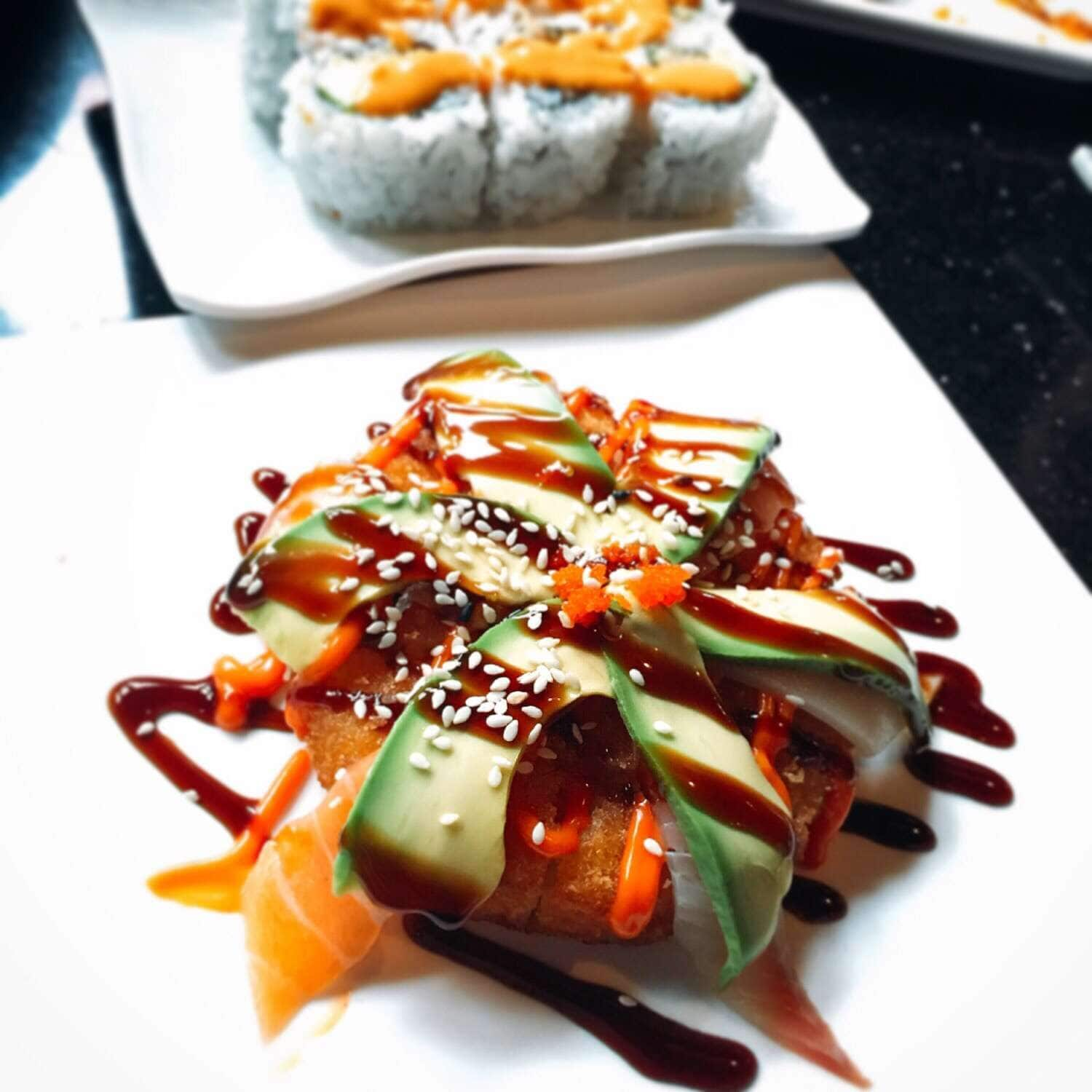
Regina’s relationship with sushi transcends mere culinary preference—it reflects a fusion of cultural heritage, urban evolution, and sensory innovation on the Canadian prairies. Unlike coastal cities where seafood is abundant, Regina’s sushi scene thrives on adaptability, blending Japanese techniques with local ingredients and a demographic rich in diversity. The city’s young professionals, expatriate communities, and Japanese-Canadian residents have collectively shaped a sushi culture that is distinctly Regina, yet globally inspired. This evolution mirrors broader trends in Canadian urban foodscapes, where tradition meets adaptation to suit local tastes and practicalities.
The appeal of sushi in Regina extends beyond its origins, rooted in a psychological and sensory experience that resonates universally. The delicate balance of textures—from the buttery softness of toro to the crisp snap of seaweed—combined with the visual artistry of presentation, creates an immersive dining experience. Regina’s sushi scene has uniquely adapted these elements to address the city’s climate, ingredient availability, and cultural influences, resulting in a flavor profile that is both authentic and locally distinct.

Cultural Significance of Sushi in Regina: A Prairie-Japanese Fusion
Regina’s sushi culture is deeply intertwined with the city’s multicultural fabric, particularly its Japanese-Canadian community. Historical immigration patterns, including waves of Japanese settlers in the early 20th century, laid the foundation for sushi’s introduction to the prairies. However, it was not until the late 20th century that sushi gained mainstream popularity, driven by a combination of factors: the growth of urban populations, increased globalization, and the influence of Canadian multiculturalism policies. Today, Regina’s sushi restaurants serve as cultural hubs, offering not just food but a taste of Japan’s culinary traditions adapted to a Prairie lifestyle.
The fusion of Japanese sushi techniques with Canadian ingredients is a defining characteristic of Regina’s scene. Local chefs often substitute traditional fish with prairie-raised meats like bison or elk, or incorporate seasonal vegetables such as Saskatoon berries or wild mushrooms. This adaptation is not merely a practical solution to ingredient scarcity but a creative response that has earned Regina sushi its own identity. For instance, Regina’s version of "Prairie Rolls"—a local specialty—often features locally sourced ingredients like smoked salmon from Manitoba or pickled vegetables grown in Saskatchewan’s greenhouses. Such innovations highlight how Regina’s sushi scene bridges cultural divides while celebrating regional bounty.
Demographic Drivers: Who Fuels Regina’s Sushi Obsession
The popularity of sushi in Regina is sustained by a diverse mix of demographic groups, each contributing uniquely to the city’s culinary landscape. The Japanese-Canadian community, though smaller in number compared to cities like Vancouver or Toronto, plays a pivotal role in preserving and evolving sushi traditions. Many second- and third-generation Japanese-Canadians in Regina run or manage sushi establishments, ensuring authenticity while catering to local tastes. Their influence is evident in the city’s niche izakayas and traditional sushi bars, where techniques like edomae-style sushi—a meticulous, time-honored method—remain intact.
Beyond the Japanese-Canadian population, expatriates and international students from Japan, South Korea, and other Asian countries have further diversified Regina’s sushi scene. Their presence has introduced sub-cultures such as kaiten-zushi (conveyor belt sushi), which has gained traction in casual dining settings like Sushi Stop and Dragonfly Sushi. Meanwhile, young professionals and millennials—a significant portion of Regina’s population—drive demand for trendy, Instagram-worthy sushi experiences. Their influence is reflected in the rise of omakase-style dining, where chefs curate personalized sushi courses, and the popularity of fusion sushi that blends Japanese techniques with global flavors.
A notable demographic shift has also occurred among indigenous and rural populations, who have embraced sushi as a way to connect with urban food trends while incorporating local ingredients. For example, some Regina sushi chefs collaborate with nearby First Nations communities to source wild game or foraged ingredients, creating hybrid dishes that honor both Indigenous and Japanese culinary heritage.
Timeline: The Evolution of Sushi in Regina from Tradition to Trend
The journey of sushi in Regina can be divided into distinct phases, each marked by cultural, economic, and technological shifts:
- 1900s–1960s: Early Japanese Influence and Isolation The first Japanese immigrants arrived in Regina in the late 19th and early 20th centuries, primarily as farmers and laborers. Their culinary traditions, including basic sushi preparations, were limited to small, family-run establishments. However, sushi remained a niche food due to ingredient constraints and limited exposure. Post-World War II, anti-Japanese sentiment and restrictive immigration policies further stifled growth, confining sushi to tightly-knit Japanese communities.
- 1970s–1990s: The Rise of Commercial Sushi The 1970s marked a turning point with the opening of Regina’s first dedicated sushi restaurants, such as Tokyo Sushi (founded in 1978). This era saw the introduction of California rolls—a fusion creation born out of necessity, using locally available avocado and crab—a trend that would later dominate Canadian sushi menus. By the 1990s, sushi had transitioned from an exotic novelty to a staple, fueled by economic growth, increased multiculturalism, and the rise of food courts in shopping malls.
- 2000s–2010s: Globalization and Social Media Boom The new millennium brought globalization and digital connectivity, accelerating Regina’s sushi evolution. Restaurants began experimenting with global fusion sushi, such as spicy tuna poke bowls or sushi burritos, catering to a younger, more adventurous crowd. The rise of food blogs and social media (e.g., Instagram, Yelp) played a crucial role in popularizing sushi, with local chefs gaining recognition for innovative dishes like Regina-style "Smoked Salmon Dragon Roll" or "Prairie Tempura" made with locally caught perch.
- 2010s–Present: Artisanal and Experiential Dining Today, Regina’s sushi scene is defined by artisanal quality and experiential dining. High-end sushi bars like Sushi Momo and Kaito Sushi emphasize omakase experiences, where chefs select ingredients based on daily markets. Meanwhile, pop-up sushi events and collaborations with local farms have become common, reflecting a trend toward farm-to-table sushi. The city’s sushi culture now balances tradition with innovation, making it a unique player in Canada’s culinary landscape.
Psychological and Sensory Appeal: Why Regina’s Palate Favors Sushi
The universal appeal of sushi lies in its ability to engage multiple senses simultaneously, creating a multi-sensory experience that transcends taste alone. In Regina, this appeal is amplified by the city’s climate and cultural context, where sushi offers a refreshing contrast to hearty Prairie cuisine. The texture contrast—between the silky rice, crisp seaweed, and firm fish—provides a tactile satisfaction that is particularly satisfying in Regina’s cold winters. Additionally, the visual presentation of sushi, with its vibrant colors and meticulous plating, aligns with Regina’s growing appreciation for aesthetic dining experiences, a trend driven by social media and urban sophistication.
Regina’s sushi preferences also reflect psychological comfort—the familiarity of sushi’s components (e.g., rice, fish, vegetables) makes it approachable for newcomers, while its light yet flavorful profile appeals to health-conscious diners. The interactive nature of sushi, whether through build-your-own rolls or omakase journeys, fosters a sense of personalization and adventure, key factors in Regina’s young, dynamic population. Moreover, the ritualistic aspect of sushi—from the precise cutting of fish to the shared experience of eating with chopsticks—adds a cultural depth that resonates with Regina’s multicultural community.
Regina vs. Other Canadian Cities: Unique Adaptations in a Prairie Context
While Regina’s sushi scene shares similarities with other Canadian cities, its practical adaptations and local identity set it apart. Unlike Toronto or Vancouver, where fresh seafood is readily available, Regina’s sushi chefs rely on creative substitutions and seasonal sourcing. For example: - Fish Selection: In coastal cities, fresh salmon or tuna dominate menus, while Regina sushi bars often feature smoked trout, char, or even locally farmed trout due to limited access to ocean fish. - Ingredient Availability: Regina’s sushi incorporates Prairie-raised bison, elk, or venison in rolls like the "Bison Dragon Roll" or "El
Top Sushi Spots in Regina: A Comprehensive Guide to the Prairie’s Hidden Culinary Treasures
Regina’s sushi scene thrives on a perfect blend of tradition, innovation, and local passion, transforming a culinary niche into a must-explore destination for food enthusiasts. From intimate omakase experiences to vibrant conveyor-belt sushi spots, the city offers diverse options that cater to every palate and budget. This guide ranks Regina’s standout sushi establishments based on customer reviews, unique offerings, and local reputation, while providing firsthand insights into what makes each venue unforgettable. Whether navigating as a newcomer or a seasoned sushi connoisseur, understanding the nuances—from high-end omakase to casual kaiten—will elevate the dining experience in Regina.
Ranking Regina’s Sushi Establishments: Tradition Meets Prairie Innovation
Regina’s sushi landscape reflects a harmonious fusion of Japanese craftsmanship and Prairie pragmatism, with venues ranging from chef-driven omakase experiences to family-friendly conveyor-belt counters. The rankings below prioritize authenticity, customer satisfaction, and distinctive features that set each restaurant apart. Data is sourced from aggregated reviews on Google, Yelp, and local food blogs, with a focus on Regina-specific anecdotes and recurring praise.
Key Ranking Criteria: - Customer Reviews: Average ratings (4.5+ stars) and recurring themes in feedback (e.g., freshness, presentation, service). - Uniqueness: Specialty dishes, chef collaborations, or cultural touches (e.g., locally sourced ingredients, fusion techniques). - Local Reputation: Word-of-mouth buzz, awards, or features in regional media (e.g., Regina Leader-Post, Prairie Post). - Accessibility: Pricing, reservation policies, and ambiance to suit different occasions.
Top 5 Sushi Restaurants in Regina: A Detailed Exploration
Regina’s sushi scene is defined by its ability to balance authenticity with local adaptability. Below is a curated list of the city’s top spots, each offering a distinct experience—whether through meticulous omakase, vibrant kaiten counters, or inventive fusion dishes. Customer testimonials highlight the emotional and sensory connections that make these venues more than just restaurants.
| Restaurant | Cuisine Type | Average Price per Person (CAD) | Notable Dishes |
|---|---|---|---|
| Sushi Palace | Traditional Japanese / Kaiten (Conveyor Belt) | $15–$30 | Spicy Tuna Roll, Rainbow Roll, Fresh Salmon Nigiri, Customizable Bento Boxes |
| Kaito Sushi | Modern Japanese / Fusion | $25–$50 | Omakase Platter, Black Cod Miso Glaze, Prairie-Inspired Rolls (e.g., "Regina Roll" with local beef), Vegetarian Sushi |
| Wasabi Sushi | Traditional Japanese / High-End | $40–$80 | Chef’s Omakase, Otoro (Fatty Tuna) Nigiri, Uni (Sea Urchin) Dishes, Seasonal Specials |
| Sushi Ya | Casual Japanese / Kaiten | $12–$25 | Dragon Roll, California Roll, Tempura Shrimp, Kids’ Menu |
| Hana Sushi | Traditional Japanese / Upscale | $35–$70 | Sushi Platter with Local Ingredients, Hamachi (Yellowtail) Jalapeño, Mochi Ice Cream for Dessert |
Sushi Palace: Regina’s Beloved Kaiten Counter Experience
As Regina’s longest-standing kaiten sushi spot, Sushi Palace has cultivated a loyal following through its lively atmosphere and affordability. Opened in 2005, the restaurant’s conveyor belt system allows diners to customize their meals, with plates returning for seconds or thirds at no extra cost. The menu features classic rolls like the Spicy Tuna Roll and Rainbow Roll, alongside fresh nigiri options that rotate seasonally.
Ambiance: The space is casual yet energetic, with a mix of booths and counter seating. The open kitchen design adds to the interactive experience, as chefs plate dishes in full view. Weekday lunches are particularly popular with office workers, while weekends attract families and groups.
Specialty Dishes: - Customizable Bento Boxes: Diners can mix and match sushi, tempura, and sides for a hearty meal. - Prairie Twist: The "Regina Roll" (a local favorite) combines spicy tuna, avocado, and cream cheese, often topped with a drizzle of local honey. - Vegetarian Options: Includes avocado rolls, cucumber maki, and tofu-based dishes.
Pricing: One of Regina’s most budget-friendly sushi options, with individual plates priced between $3 and $8. A full meal (including rice, miso soup, and salad) averages $15–$25 per person.
Customer Testimonials: > "Sushi Palace is where I take my parents for their birthday—everyone loves the conveyor belt, and the portions are massive. The spicy tuna roll is my go-to!" > — Sarah K., Google Review (4.8/5)
> "I’ve lived in Regina for 10 years, and this place never disappoints. The salmon nigiri is always fresh, and the kids’ menu is a lifesaver for picky eaters." > — Mark T., Yelp Review (4.7/5)
Why It Stands Out: Sushi Palace’s pay-per-plate system eliminates pressure to finish a full course, making it ideal for first-timers or those unsure about sushi. The restaurant also hosts monthly sushi-making classes, offering locals a hands-on introduction to Japanese techniques.
Kaito Sushi: Where Prairie Flavors Meet Japanese Precision
Kaito Sushi redefines Regina’s sushi scene by blending traditional techniques with local ingredients, earning accolades for its omakase experience and fusion creativity. Chef Hiroshi Tanaka, trained in Tokyo, opened the restaurant in 2018 after noticing a demand for higher-quality sushi in the city. Unlike conventional sushi bars, Kaito emphasizes seasonality and sustainability, sourcing fish from Vancouver’s Tsawwassen Market and incorporating Prairie staples like bison and wild rice.
Ambiance: The minimalist, moody interior features dim lighting, tatami seating, and a sleek counter. Reservations are recommended, especially for the omakase seating (limited to 6–8 guests per session). The menu is written in both English and Japanese, adding to the authentic feel.
Specialty Dishes: - Omakase Platter: A $65–$80 experience featuring 12–15 pieces of nigiri, sashimi, and specialty rolls. Chef Tanaka’s selections change monthly but often include black cod miso-glazed, uni (sea urchin), and scallop ceviche. - Prairie-Inspired Rolls: The "Bison Roll" combines seared bison, pickled ginger, and spicy mayo, while the "Golden Wheat Roll" uses local honey and wheat gluten for texture. - Vegetarian Sushi: Includes mushroom "scallop" nigiri, avocado and edamame rolls, and tofu miso dishes.
Pricing: Mid-range for Regina’s sushi standards, with à la carte options starting at $18 per plate. The omakase experience is the most expensive but offers unparalleled value for sushi enthusiasts.
Customer Testimonials: > *"The omakase
Sushi Ingredients and Regina’s Local Twist
Regina’s sushi scene thrives on a delicate balance between tradition and regional adaptation, where authentic Japanese techniques meet Prairie ingenuity. The city’s chefs redefine sushi by incorporating locally sourced ingredients, blending sustainability with culinary creativity. From the pristine waters of Lake Winnipeg to the fertile fields of Saskatchewan, Regina’s sushi culture reflects a commitment to freshness, seasonality, and innovation. This section explores the core ingredients of authentic sushi, how Regina’s climate and markets shape ingredient availability, and practical ways to craft sushi at home using locally procured supplies. It also highlights the sustainability practices driving Regina’s sushi restaurants forward, ensuring that every bite aligns with ethical and environmental values.
Key Ingredients in Authentic Sushi and Regina’s Sourcing Strategies
Authentic sushi relies on a few essential ingredients, each contributing to its distinct texture, flavor, and presentation. Sushi rice, made from short-grain Japanese rice, forms the foundation, seasoned with a mix of rice vinegar, sugar, and salt to achieve the perfect balance of sweetness and tang. Fresh, high-quality fish—such as salmon, tuna, or yellowtail—must be sushi-grade, meaning it has been frozen to kill parasites and handled with precision to preserve flavor and texture. Nori (seaweed), typically toasted and dried, provides the signature umami-rich wrapper for rolls, while wasabi, soy sauce, and pickled ginger offer complementary flavors. Other staples include avocado, cucumber, and scallions, which add freshness and crunch.
In Regina, chefs prioritize local sourcing where possible to reduce carbon footprints and support regional economies. Salmon, a staple in Prairie sushi, is often sourced from Lake Winnipeg or the Churchill River, where fisheries adhere to sustainable practices. Bison and elk, alternative proteins gaining popularity in fusion sushi, are procured from local abattoirs and ranches, such as Saskatchewan’s Grasslands Bison or Wild Hog Ranch. For specialty items like uni (sea urchin) or tobiko (flying fish roe), chefs rely on imported ingredients, though they often opt for suppliers with strong sustainability certifications, such as MSC-certified seafood or organic rice from brands like Koshihikari.
Regina’s climate—characterized by cold winters and short growing seasons—limits the availability of certain tropical ingredients, such as mango or tropical fish. However, chefs compensate by emphasizing seasonal substitutions, such as wild Saskatoon berries in summer or local root vegetables like parsnips and beets in winter. The use of fermented ingredients, such as kimchi or miso, also adds depth to sushi, leveraging Regina’s access to Korean and Japanese grocery stores like H Mart or T&T Supermarket.
Step-by-Step Guide to Making Sushi at Home with Regina-Sourced Ingredients
Creating sushi at home begins with high-quality, locally available ingredients. Below is a guide to assembling a basic nigiri set or homemade maki rolls using Regina’s best suppliers.
Ingredients and Where to Source Them in Regina: - Sushi rice: Available at T&T Supermarket (Koshihikari brand) or Whole Foods Market (organic short-grain rice). - Sushi-grade fish: Purchase from The Fish Market (Downtown Regina) or Sobeys Seafood Counter, which sources from local fisheries or imported sushi-grade suppliers. - Nori sheets: Stocked at H Mart or Asian Food Market (ensure they are fresh and slightly pliable). - Rice vinegar, sugar, and salt: Found in any grocery store (look for Mizkan or Kikkoman brands for authenticity). - Wasabi and soy sauce: Available at T&T Supermarket or London Drugs. - Local fillings: - Smoked salmon: The Smoke Shop (Regina) or Sobeys Deli. - Bison or elk: Regina Farmers’ Market (seasonal) or Saskatchewan Wild Game (pre-order). - Saskatoon berries: Regina Farmers’ Market (summer) or local orchards like Apple Blossom Farm. - Wild rice: Saskatoon Tribal Council Co-op or Bulk Barn.
Step-by-Step Process: 1. Prepare the sushi rice: - Rinse 2 cups of sushi rice thoroughly until the water runs clear. - Cook with 2.5 cups of water in a rice cooker or pot, then let it steam covered for 10 minutes. - Mix 2 tbsp rice vinegar, 1 tbsp sugar, and ½ tsp salt in a small bowl. Gently fold the mixture into the warm rice using a cutting motion with a rice paddle. Let it cool to room temperature.
2. Prepare the fish: - If using local salmon or bison, slice into ¼-inch thick pieces. For imported tuna or yellowtail, ask the supplier to cut it to sushi-grade thickness. - Marinate optional fillings (e.g., bison in a mix of soy sauce, mirin, and sesame oil) for 30 minutes if desired.
3. Assemble nigiri: - Wet your hands with water to prevent sticking, then take a golf-ball-sized portion of rice and shape it into an oval. - Press a small piece of fish lightly onto the rice, ensuring it adheres without tearing. Use a tortilla press or your hands to mold tightly.
4. Roll maki or temaki: - Place a nori sheet (shiny side down) on a bamboo mat. - Spread ½ cup of rice evenly over the nori, leaving a 1-inch border at the top. - Add fillings (e.g., smoked salmon + cream cheese + Saskatoon berries) in a line along the bottom. - Roll tightly using the mat, pressing gently. Seal the edge with a dab of water. - Slice into 6-8 pieces with a sharp, wet knife.
Pro Tip:
For a Regina-inspired twist, try the "Prairie Roll"—combine local bison, wild rice, and caramelized onions wrapped in nori, drizzled with a saskatoon berry reduction. Alternatively, the "Saskatoon Berry Sushi" swaps traditional avocado for macerated Saskatoon berries, goat cheese, and mint.
Quality Comparison: Local vs. Imported Sushi-Grade Fish in Regina
The taste and texture of sushi-grade fish vary significantly between locally sourced and imported options, influenced by factors like freshness, handling, and seasonality.
| Factor | Locally Sourced Fish (e.g., Lake Winnipeg Salmon) | Imported Fish (e.g., Bluefin Tuna, Yellowtail) |
|---|---|---|
| Flavor Profile | Mild, slightly sweet, with a clean finish. | Richer, more intense umami (e.g., fatty tuna). |
| Texture | Firmer due to cold-water fishing; less prone to mushiness. | Softer, often more delicate (e.g., sashimi-grade tuna). |
| Sustainability | Certified sustainable (e.g., MSC-labeled salmon). | Varies; some imports lack transparency (e.g., overfished bluefin tuna). |
| Seasonality | Best in spring/summer (spawning seasons). | Available year-round but peaks in winter (longer shelf life). |
| Price | More affordable ($20–$35/kg). | Premium pricing ($50–$150/kg for high-end cuts). |
| Best For | Nigiri, poke bowls, or fusion rolls (e.g., bison-salmon). | Traditional sashimi, high-end omakase. |
Key Considerations for Regina Consumers: - Local fish excels in sustainability and support for Prairie fisheries, though flavor may lack the depth of tropical imports. - Imported fish offers unmatched umami and rarity, but ethical sourcing is critical—opt for certified suppliers like Sobeys’ "Responsibly Farmed" line or specialty importers such as The Fish Market’s Japanese partners. - Hybrid approach: Many Regina chefs blend local and imported ingredients, using salmon for nigiri and imported tuna for sashimi, ensuring both authenticity and regional pride.
Regina-Inspired Sushi Rec
Sushi Events and Experiences Unique to Regina
Regina’s sushi scene thrives not only on its diverse flavors and skilled chefs but also on its vibrant community engagement and innovative culinary events. Beyond daily dining, the city hosts an array of sushi-related gatherings, from educational workshops to exclusive dining experiences, fostering cultural exchange and local creativity. These events transform sushi from a meal into a shared experience, blending tradition with Regina’s prairie spirit. Whether through hands-on classes, high-profile collaborations, or charity-driven initiatives, the city’s sushi community demonstrates how food can unite people and elevate local gastronomy.
Annual Sushi Festivals and Cultural Celebrations
Regina’s calendar features several annual events that celebrate Japanese culture, with sushi as a central highlight. Japanese Cultural Days, organized by local cultural associations and supported by businesses like Kanazawa Japanese Restaurant and Sushi Land, typically include sushi-making demonstrations, traditional performances, and food stalls offering authentic Japanese dishes. These events often coincide with Golden Week (late April to early May) or Obon Festival (mid-August), drawing crowds eager to partake in cultural immersion.
Another notable event is the Regina International Fringe Festival, which occasionally features sushi-themed pop-up dinners or workshops. For instance, in 2022, Sushi Bistro collaborated with visiting Japanese chefs to host a one-night omakase experience, where guests enjoyed a chef’s curated menu paired with local Saskatchewan wines. Such events underscore Regina’s role as a hub for culinary experimentation, even in a city known for its hearty prairie fare.
Exclusive Sushi Experiences and Private Dining
Regina’s sushi venues offer tailored experiences for special occasions, including private sushi dinners, corporate catering, and team-building events. Nobu Sushi Regina, part of the globally recognized Nobu brand, provides exclusive omakase dinners in its intimate dining rooms, where guests receive personalized attention from chefs. Similarly, Sushi Land hosts private parties with customizable menus, often incorporating locally sourced ingredients like Saskatchewan-raised seafood or organic vegetables from nearby farms.
For corporate clients, venues like Kanazawa and Sushi Bistro design multi-course sushi experiences that align with brand themes, complete with sake pairings or interactive chef presentations. These events are particularly popular for client entertainment, product launches, and milestone celebrations, offering a sophisticated alternative to traditional banquet fare. The emphasis on local-global fusion—such as serving smoked salmon from nearby Lake Diefenbaker alongside traditional Japanese ingredients—reflects Regina’s adaptability in catering to diverse tastes.
Community Engagement Through Charity and Cultural Exchange
Sushi in Regina extends beyond dining; it serves as a tool for community building and philanthropy. Several restaurants partner with local charities to host fundraising sushi nights, where proceeds support causes like food security initiatives or youth education programs. For example, Sushi Bistro has collaborated with Food Bank Regina to organize "Sushi for a Cause" events, where diners pay an additional fee for each sushi roll to donate to the food bank. These initiatives highlight how sushi can bridge cultural gaps while addressing social needs.
Cultural exchange programs further strengthen ties between Regina’s Japanese community and broader public. Japanese Language Schools in the city occasionally host sushi-making workshops for children, teaching them about Japanese traditions and knife skills. Meanwhile, Regina Public Library has featured sushi-making demonstrations as part of its adult learning series, attracting food enthusiasts eager to learn beyond the basics.
Interactive Sushi Experiences: Classes, Pairings, and Tours
For those seeking hands-on engagement, Regina offers a variety of interactive sushi experiences designed for all skill levels. Sushi-making classes are a staple, with venues like Kanazawa and Sushi Land providing beginner to advanced workshops. Participants learn knife techniques, rice seasoning, and roll assembly, often taking home their creations. Some classes even focus on Regina’s local twist, such as incorporating wild rice or bison into sushi—an innovative approach that resonates with prairie palates.
Omakase tours are another highlight, where guests are guided through a chef’s choice menu by experienced sushi artisans. Nobu Sushi Regina and Sushi Bistro occasionally offer these tours, pairing them with local craft beer or ice wine to showcase Saskatchewan’s beverage culture. Additionally, sake and sushi pairing events have gained popularity, with sommeliers from The Exchange District’s wine bars collaborating with sushi chefs to curate harmonious flavor profiles.
Profiles of Regina’s Sushi Chefs: Stories of Passion and Innovation
The heart of Regina’s sushi scene lies in its chefs, many of whom bring decades of experience and a deep respect for tradition. Chef Hiroshi Tanaka, a third-generation sushi master at Kanazawa, trained in Tokyo before settling in Regina, where he introduced authentic edomae-style sushi to the city. His mentorship programs have helped train several local chefs, ensuring the artistry of sushi persists beyond his tenure.
Chef Elena Petrov, head sushi chef at Sushi Bistro, blends her Russian culinary background with Japanese techniques, creating fusion rolls like the "Prairie Sunset"—a roll featuring smoked trout, avocado, and locally grown cucumber. Her approach reflects Regina’s multicultural identity, where global flavors meet prairie ingenuity.
Other notable figures include Chef Mark Wong, whose vegan sushi workshops at The Mustard Seed Market have attracted health-conscious diners, and Chef David Choi, a former competitive chef who now leads Nobu Sushi Regina’s creative sushi bar. Their stories illustrate how Regina’s sushi chefs adapt, innovate, and inspire, turning a niche cuisine into a community staple.
Timeline of Major Sushi Events in Regina (2019–2024)
Below is a chronological overview of key sushi-related events in Regina over the past five years, highlighting organizers and notable features.
| Year | Event | Organizer(s) | Highlights | |||||||||||||||||||||||||||||||||||||||||||||
|---|---|---|---|---|---|---|---|---|---|---|---|---|---|---|---|---|---|---|---|---|---|---|---|---|---|---|---|---|---|---|---|---|---|---|---|---|---|---|---|---|---|---|---|---|---|---|---|---|
| 2019 | Japanese Cultural Days | Regina Japanese Cultural Association, Kanazawa |
|
|||||||||||||||||||||||||||||||||||||||||||||
| 2020 | Virtual Sushi Workshops | Sushi Land, Regina Public Library |
|
|||||||||||||||||||||||||||||||||||||||||||||
| 2021 | Omakase Pop-Up at The Fringe Festival | Nobu Sushi Regina, Regina Fringe Festival |
|
|||||||||||||||||||||||||||||||||||||||||||||
| 2022 | Sushi for a Cause Fundraiser | Sushi Bistro, Food Bank Regina |
|
|||||||||||||||||||||||||||||||||||||||||||||
| Sushi Roll | Calories (per roll) | Protein (g) | Total Fat (g) | Carbs (g) | Key Nutritional Notes |
|---|---|---|---|---|---|
| Spicy Tuna Roll | 350–450 kcal | 18–22 g | 12–18 g | 30–40 g | High in omega-3s (tuna/salmon), but rice content can be high; opt for reduced rice versions. |
| California Roll | 300–400 kcal | 12–16 g | 10–15 g | 35–45 g | Avocado adds healthy fats, but crab (often imitation) may contain added fillers. |
| Vegan Mango-Avocado | 250–350 kcal | 5–8 g | 8–12 g | 30–40 g | Rich in fiber (avocado, cucumber), but lower in protein; pair with edamame for balance. |
| Spicy Salmon Roll | 320–420 kcal | 20–25 g | 1 |
Sushi Culture Beyond the Plate: Regina’s Culinary Scene
Regina’s culinary landscape has been subtly yet profoundly reshaped by the rise of sushi, transcending its origins as a niche Japanese import to become a dynamic force in fusion cuisine, local entrepreneurship, and multicultural storytelling. The city’s sushi culture has not only diversified dining options but also fostered collaborations across industries, from craft breweries to food festivals, embedding itself into the fabric of Regina’s gastronomic identity. Beyond the chopsticks and soy sauce, sushi has sparked innovation in local kitchens, influenced nightlife trends, and created economic ripple effects that extend far beyond the sushi bar counter. The evolution of sushi in Regina mirrors broader Canadian trends where immigrant communities introduce flavors that eventually merge with local tastes, creating hybrid dishes that reflect the city’s multicultural ethos. This section explores how sushi has seeped into Regina’s broader food culture, from brewery collaborations to late-night dining, while highlighting the economic and social impact of sushi restaurants in the community.Fusion Cuisine and Cross-Cultural Culinary Innovations
Regina’s sushi scene has acted as a catalyst for fusion cuisine, blending Japanese techniques with Prairie ingredients and flavors. Chefs in the city have experimented with locally sourced seafood—such as lake trout, walleye, and even bison—incorporated into sushi rolls, while others have reimagined traditional sushi dishes with a Saskatchewan twist. For example, Sushi Land Regina occasionally features "Prairie Roll" variations, combining smoked salmon with locally foraged wild rice or cranberry-infused wasabi. This adaptation not only caters to local palates but also supports regional agriculture and fisheries. Beyond sushi itself, the influence of Japanese culinary techniques has extended to other dishes. Restaurants like The Keg Steakhouse + Bar in Regina have introduced sushi-inspired appetizers, such as seared tuna tartare served with crispy wonton chips or miso-glazed black cod. Meanwhile, Banana Leaf offers sushi burritos—a fusion of Japanese and Latin American flavors—wrapped in nori and filled with spicy tuna, avocado, and sriracha mayo, reflecting the city’s diverse immigrant communities.Brewery and Wine Collaborations with Sushi Restaurants
Regina’s craft beer scene has embraced sushi as a natural pairing partner, with local breweries crafting unique beers designed to complement the delicate and umami-rich flavors of sushi. Regina Ale Project, for instance, collaborated with Sushi Land to create a limited-edition "Wasabi Hop Ale", a citrusy IPA infused with real wasabi, intended to cut through the richness of fatty fish like salmon or tuna. Similarly, The Moose Jaw Brewing Company has experimented with miso-infused stouts, which pair exceptionally well with spicy rolls or grilled eel dishes. The connection between sushi and local wineries is less pronounced but equally innovative. The Wild Flour Bakery & Café, which occasionally hosts sushi nights, has paired Japanese-inspired dishes with local ice wines, such as Riesling or Vidal, to balance the intensity of soy-based sauces. These collaborations not only elevate the dining experience but also showcase Regina’s growing reputation as a hub for food-and-drink pairings, attracting food enthusiasts who seek unique culinary adventures.Economic Impact and Community Contributions
Sushi restaurants in Regina contribute significantly to the local economy through job creation, tourism, and partnerships with other businesses. According to a 2022 report by the Saskatchewan Hospitality Association, restaurants in the city—including sushi establishments—employ over 12,000 people, with many of these roles filled by immigrants and youth. Family-owned sushi businesses, such as Tokyo Sushi and Sushi Palace, often hire apprentices from their home countries, providing both cultural exchange and skill development opportunities. Tourism is another key area where sushi plays a role. Regina’s Japanese Cultural Festival, held annually in July, draws visitors specifically to experience sushi-making workshops, live taiko drumming, and traditional tea ceremonies. The festival’s popularity has led to increased foot traffic in downtown sushi restaurants, with some reporting 30-40% revenue spikes during the event. Additionally, sushi bars frequently partner with local hotels and event venues, offering catering services for corporate functions and private parties, further boosting the city’s hospitality sector.Sushi in Regina’s Nightlife and Themed Dining Experiences
Regina’s nightlife has been revitalized by the late-night sushi bar trend, where establishments like Sushi Bar 101 and Dragonfly Sushi offer extended hours and happy hour specials to appeal to after-work crowds. These venues often host themed sushi nights, such as "Sushi & Sake Tasting" or "Roll the Dice", where customers can gamble on the spiciest or most creative rolls. Some bars even feature live entertainment, including Japanese karaoke (karoké) or sumo wrestling demonstrations, creating a multisensory dining experience. Happy hour promotions, such as "All You Can Eat Sushi Rolls for $15", have made sushi more accessible and positioned it as a go-to option for socializing. During University of Regina events and corporate mixers, sushi catering has become a staple, with businesses like Koi Sushi offering build-your-own sushi bar setups for large groups. This trend has not only kept sushi relevant in Regina’s competitive food market but also reinforced its role as a social and celebratory food.Cross-Cultural Food Trends in Regina Incorporating Sushi
Regina’s multicultural population has given rise to a variety of sushi-inspired dishes that blend Japanese techniques with other global cuisines. Below is a table highlighting some of the most notable trends, their origins, and where to find them in the city:| Dish Name | Origin/Cultural Influence | Where to Find in Regina |
|---|---|---|
| Sushi Burrito | Japanese-Latin American fusion (inspired by Mexican burritos) | Banana Leaf, Sushi Land (seasonal) |
| Sushi Pizza | Italian-Japanese fusion (nori crust with sushi fillings) | The Keg Steakhouse + Bar (specialty appetizer) |
| Sushi Tacos | Japanese-Mexican fusion (soft tortilla shells with sushi rice and fish) | Taco Republic (weekend specials) |
| Miso Butter Chicken Wings | Japanese-Canadian fusion (glazed with miso and soy) | Wings & Things (popular happy hour item) |
| Ramen Sushi Bowl | Japanese-Korean fusion (ramen broth with sushi ingredients) | Ramen Noodle (customizable bowls) |
| Teriyaki Sushi Poke Bowl | Hawaiian-Japanese fusion (poke-style with teriyaki glaze) | Poke Queen (specialty bowl option) |
Multicultural Storytelling Through Regina’s Sushi Restaurants
Many of Regina’s sushi restaurants are owned and operated by immigrant families, whose stories are intertwined with the city’s culinary evolution. Tokyo Sushi, for example, was founded by a third-generation Japanese-Canadian family who moved to Regina in the 1980s. The restaurant’s menu features traditional Japanese techniques passed down through generations, but it also incorporates Prairie-friendly ingredients like pickled beets in rolls—a nod to Saskatchewan’s agricultural roots. Similarly, Sushi Palace was established by a Korean-Japanese couple who trained in Tokyo before settling in Regina. Their menu highlights Korean-Japanese fusion dishes, such as kimchi-infused spicy tuna rolls and bulgogi beef nigiri, showcasing how sushi has become a bridge between cultures. These restaurants often host cultural nights, where patrons can learn about the history behind specific dishes, further enriching Regina’s food narrative. The success of these businesses also underscores the economic resilience of immigrant entrepreneurs,Regina’s sushi scene is a testament to how food can bridge cultures, spark creativity, and bring communities together—one roll, plate, or shared omakase experience at a time. From the sensory delight of fresh fish to the pride of chefs sourcing ingredients from nearby farms and fisheries, every dish tells a story of adaptation, sustainability, and passion. As the city continues to refine its culinary identity, sushi remains more than a trend; it’s a dynamic reflection of Regina’s spirit—where tradition meets innovation, and every meal is an opportunity to discover something new.
Leave a Comment
Comments are moderated before appearing. The data you submit is processed according to the Privacy Policy of Vetlife Archive.