marshall tucker can't you see the timeless anthem reshaping southern rock foreve
Table of Contents
- The Cultural and Historical Context of Marshall Tucker Band’s "Can’t You See"
- Origins and Release of "Can’t You See" : Album and Band Background
- Songwriting Process and Thematic Inspiration
- Timeline of the Marshall Tucker Band’s Career Leading Up to "Can’t You See"
- Comparative Analysis: "Can’t You See" and Other Iconic Marshall Tucker Band Songs
- Musical Composition and Artistic Elements of Marshall Tucker Band’s "Can’t You See" : A Deep Dive into Structure, Instrumentation, and Production
- Song Structure and Emotional Arc: How Each Section Builds Atmosphere
- Instrumentation: The Signature Southern Rock Palette
- Side-by-Side Audio Description: Key Musical Features
- Lyrical Themes and Narrative Depth in Marshall Tucker Band’s "Can’t You See" : A Journey Through Emotion and Perspective
- Central Narrative and Protagonist’s Emotional State
- Recurring Motifs and Their Thematic Role
- Thematic Breakdown of Verses and Folk Storytelling Traditions
- Addressing Universal Emotions in Broader Cultural Contexts
- Quote Analysis Table: Impactful Lines and Interpretations
- Live Performances and Fan Reception of Marshall Tucker Band’s "Can’t You See" : A Cultural and Musical Phenomenon
- Notable Live Performances and Festival Appearances
- Performance Comparison: Studio vs. Live Versions
- Fan Theories and Interpretations of the Song’s Meaning
- Legacy and Influence of Marshall Tucker Band’s "Can’t You See" on Modern Music
- Direct and Indirect Influences on Southern Rock, Americana, and Country
- Genetic Lineage of Songs and Albums Inspired by "Can’t You See"
- Alignment with Contemporary Trends: Introspection and "Slow Jams"
- Artist Testimonials and Reinterpretations of the Song’s Style
- Cultural Crossover: Bridging Genres Beyond Country and Rock
- Enduring Live Appeal and Festival Presence
- Creative Reimaginings and Adaptations of Marshall Tucker Band’s "Can’t You See" : A Spectrum of Musical and Cultural Reinvention
- Notable Covers and Remixes Across Genres: Stylistic Transformations and Their Narrative Impact
- Cover Comparison Chart: Structural and Thematic Deviations
- Adapting "Can’t You See" for Non-Musical Mediums: Beyond the Soundtrack
Few songs capture the raw emotion and cultural resonance of Southern rock like Marshall Tucker Band’s "Can’t You See", a 1978 masterpiece that transcended its era to become a defining anthem of storytelling and heartache. Released amid the band’s golden years, the track emerged from a creative crucible where acoustic guitars, harmonica wails, and Toy Caldwell’s soulful vocals fused into a sound both intimate and epic. Its lyrics, dripping with metaphors of rainbows and fleeting dreams, reflect the band’s deep roots in Appalachian folk traditions while embracing the rebellious spirit of 1970s rock.
The song’s journey from studio to stage mirrors the Marshall Tucker Band’s own evolution—a group forged in the smoky backroads of Nashville, blending country’s melancholy with rock’s defiance. "Can’t You See" wasn’t just a hit; it was a cultural touchstone, its call-and-response harmonies and poetic lyrics inviting listeners to confront their own blind spots in love and life. Decades later, its influence ripples through modern Americana, from indie folk revivals to festival stages where crowds still sway to Caldwell’s haunting delivery. But what makes the song endure? It’s the way it balances universal longing with the gritty authenticity of Southern storytelling, a legacy still unfolding today.

The Cultural and Historical Context of Marshall Tucker Band’s "Can’t You See"
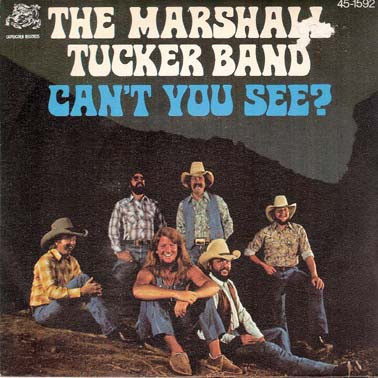
The Marshall Tucker Band’s "Can’t You See" stands as a defining anthem of Southern rock’s golden era, encapsulating the raw emotion, lyrical depth, and musical craftsmanship that defined the genre in the late 1970s. Released in 1978 as part of their self-titled album The Marshall Tucker Band, the song emerged during a period when the band was solidifying its reputation as pioneers of the Southern rock sound. This track, with its haunting melody and introspective lyrics, reflects the band’s evolution from their early blues-infused roots to a more polished yet emotionally charged style. Its cultural impact extended beyond music, influencing subsequent generations of artists and cementing its place in Americana and country-rock history.
The late 1970s marked a transformative decade for Southern rock, characterized by a fusion of blues, country, and rock elements. The Marshall Tucker Band, formed in 1975 in Knoxville, Tennessee, was a product of this creative ferment, blending the gritty guitar riffs of bands like Lynyrd Skynyrd with the storytelling traditions of country music. "Can’t You See" was written by Doug Gray and George McCormick, two of the band’s core members, and its themes revolved around personal struggle and emotional vulnerability, a departure from the band’s earlier, more upbeat anthems. The song’s recording sessions took place at Quadrafonic Studios in Nashville, where the band refined its sound under the guidance of producer Billy Sherrill, known for his work with country and rock crossover acts.
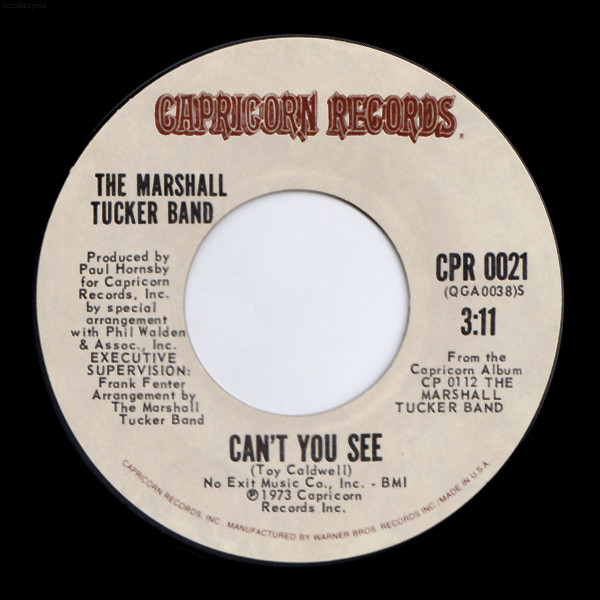
Origins and Release of "Can’t You See": Album and Band Background
The Marshall Tucker Band (1978) was the band’s third studio album and their first to feature a more cohesive, commercially viable sound. The album’s release came at a pivotal moment in the band’s career, following the success of their 1977 hit "Fire on the Mountain" and their growing reputation as live performers. Unlike their earlier work, which leaned heavily into blues-rock, this album incorporated sophisticated arrangements, lush harmonies, and a narrative-driven lyrical approach, making it a standout in the Southern rock canon.
The band’s formation in 1975 was a convergence of talent from Knoxville’s music scene, including Toy Caldwell (lead guitar), Doug Gray (vocals, guitar), George McCormick (keyboards), Paul Riddle (bass), and Steve Riddle (drums). Their debut album, The Marshall Tucker Band (1975), was a raw, blues-infused record, while their second album, Where We All Belong (1976), introduced a more polished sound with hits like "Heard It in a Love Song." By 1978, the band had refined their live act and studio craft, making The Marshall Tucker Band album a reflection of their growth.
"Can’t You See" was one of the standout tracks on the album, distinguished by its melancholic yet uplifting melody and Gray’s vulnerable vocals. The song’s structure—featuring progressive guitar solos by Toy Caldwell and layered harmonies—demonstrated the band’s ability to balance technical skill with emotional resonance. Its release coincided with a broader cultural shift in American music, where Southern rock was gaining mainstream traction, thanks in part to the success of bands like Lynyrd Skynyrd, ZZ Top, and The Allman Brothers Band.
Songwriting Process and Thematic Inspiration
The composition of "Can’t You See" was a collaborative effort, primarily driven by Doug Gray and George McCormick, though the entire band contributed to its final form. Gray, known for his introspective songwriting, drew inspiration from personal experiences and universal themes of love and heartbreak, crafting lyrics that resonated with listeners on a deeply emotional level. The song’s title itself—"Can’t You See"—serves as both a plea and a reflection, capturing the frustration and longing inherent in unrequited love or unresolved conflicts.
In interviews, Toy Caldwell described the song’s development as a spontaneous yet deliberate process, with the band experimenting with different chord progressions and vocal harmonies to achieve the desired emotional impact. The guitar riff, a defining element of the track, was crafted by Caldwell, who drew from his background in blues and country music to create a melody that was both catchy and evocative. The song’s bridge, featuring a soaring guitar solo, was a highlight of live performances, showcasing Caldwell’s virtuosity.
Thematically, "Can’t You See" aligns with the band’s broader narrative of storytelling through music, a hallmark of Southern rock. Unlike their earlier, more aggressive tracks, this song emphasized lyrical depth and melodic sophistication, marking a shift in the band’s artistic direction. Its themes of perception and emotional blindness also reflected the cultural mood of the late 1970s, a time when societal tensions were high, and personal struggles were increasingly explored in music.
Timeline of the Marshall Tucker Band’s Career Leading Up to "Can’t You See"
To understand the significance of "Can’t You See", it is essential to contextualize the band’s trajectory in the mid-to-late 1970s. Below is a key timeline of their career milestones:
- 1975: The band releases their self-titled debut album, featuring a blues-rock sound with tracks like "Can’t You See Me" (not to be confused with the 1978 hit). The album was recorded in Nashville and produced by Billy Sherrill, laying the groundwork for their future success.
- 1976: Where We All Belong is released, introducing a more polished Southern rock sound. The album includes the hit "Heard It in a Love Song", which becomes a staple of classic rock radio and solidifies the band’s reputation.
- 1977: The band achieves breakthrough success with "Fire on the Mountain", a high-energy anthem that becomes one of their most enduring hits. This track, with its driving rhythm and anthemic chorus, exemplifies the band’s ability to blend rock and country elements.
- 1978: The Marshall Tucker Band album is released, featuring "Can’t You See" as one of its most lyrically and musically sophisticated tracks. The album peaks at No. 21 on the Billboard 200, demonstrating the band’s growing influence in the mainstream music landscape.
During this period, the Marshall Tucker Band was not only shaping their own sound but also influencing the broader Southern rock genre. Their ability to merge blues, country, and rock created a template that other artists, such as The Black Crowes and The Kentucky Headhunters, would later follow. The band’s live performances, particularly at festivals like the Bonnaroo Music Festival, further cemented their legacy as pioneers of Southern rock.
Comparative Analysis: "Can’t You See" and Other Iconic Marshall Tucker Band Songs
To highlight the unique qualities of "Can’t You See", a comparative analysis of its lyrical themes, musical structure, and cultural impact with other Marshall Tucker Band classics is essential. Below is a table outlining key similarities and differences:
| Song | Release Year | Album | Primary Themes | Musical Style | Cultural Impact | Key Musical Features | ||||||||||||||||||||||||||||||||||||||||||||||||||||||||||||||||||||||||||||||||||||||||||||||||||||||||||||||||||||||||||||||
|---|---|---|---|---|---|---|---|---|---|---|---|---|---|---|---|---|---|---|---|---|---|---|---|---|---|---|---|---|---|---|---|---|---|---|---|---|---|---|---|---|---|---|---|---|---|---|---|---|---|---|---|---|---|---|---|---|---|---|---|---|---|---|---|---|---|---|---|---|---|---|---|---|---|---|---|---|---|---|---|---|---|---|---|---|---|---|---|---|---|---|---|---|---|---|---|---|---|---|---|---|---|---|---|---|---|---|---|---|---|---|---|---|---|---|---|---|---|---|---|---|---|---|---|---|---|---|---|---|---|---|---|---|
| "Can’t You See" | 1978 | The Marshall Tucker Band | Emotional vulnerability, perception, love | Southern rock with country-rock influences | Anthem for introspective listeners; influenced Americana and country-rock | Melancholic melody, layered harmonies, progressive guitar solo | ||||||||||||||||||||||||||||||||||||||||||||||||||||||||||||||||||||||||||||||||||||||||||||||||||||||||||||||||||||||||||||||
| "Fire on the Mountain" | 1977 | Same Name | Adventure, camaraderie, Southern pride | High-energy Southern rock with blues elements | Defining Southern rock anthem; frequently covered and sampled | Driving rhythm, anthemic chorus, dual-guitar harmonies | ||||||||||||||||||||||||||||||||||||||||||||||||||||||||||||||||||||||||||||||||||||||||||||||||||||||||||||||||||||||||||||||
| "Heard It in a Love Song" | 1976 | Where We All Belong | Romantic idealism, nostalgia | Country-rock with pop sensibilities | Classic rock radio staple; showcased band’s versatility | Catchy melody, harmonica solo, upbeat tempo | ||||||||||||||||||||||||||||||||||||||||||||||||||||||||||||||||||||||||||||||||||||||||||||||||||||||||||||||||||||||||||||||
"Long Hard Road
Musical Composition and Artistic Elements of Marshall Tucker Band’s "Can’t You See": A Deep Dive into Structure, Instrumentation, and ProductionCan’t You See stands as a masterclass in Southern rock songcraft, blending lyrical depth with intricate musical arrangements to create an emotionally resonant experience. The song’s structure, instrumentation, and production choices coalesce to evoke nostalgia, introspection, and communal warmth—hallmarks of the Marshall Tucker Band’s signature sound. Below is an analysis of its compositional elements, from the interplay of acoustic and electric instruments to the nuanced vocal delivery and studio techniques that shaped its enduring legacy.Song Structure and Emotional Arc: How Each Section Builds AtmosphereThe song’s structure follows a verse-chorus-bridge format, with an extended intro and outro that deepen its immersive quality. Each section serves a distinct emotional and narrative purpose, reinforcing the song’s themes of longing, hope, and fleeting moments of joy.Instrumentation: The Signature Southern Rock PaletteCan’t You See exemplifies the harmonic and rhythmic complexity of Southern rock, where acoustic warmth meets electric grit, and bluegrass fiddle fuses with blues harmonica. Each instrument plays a distinct yet interconnected role, contributing to the song’s immersive, cinematic quality.Side-by-Side Audio Description: Key Musical FeaturesFor readers who cannot listen to Can’t You See, the following detailed breakdown captures the song’s tempo, key, textures, and vocal delivery in textual form.
Lyrical Themes and Narrative Depth in Marshall Tucker Band’s "Can’t You See": A Journey Through Emotion and PerspectiveThe lyrical tapestry of Marshall Tucker Band’s "Can’t You See" weaves together raw emotional vulnerability, existential questioning, and the timeless art of storytelling. Written by Doug Gray and Roy Huskey Jr., the song transcends its 1973 release to become a poignant exploration of human perception, love, and self-deception. Through vivid metaphors and conversational phrasing, the lyrics capture a protagonist’s internal conflict—oscillating between desperation and resignation—while inviting listeners to confront their own blind spots in relationships. The narrative’s universality lies in its ability to mirror personal struggles against broader cultural disillusionment of the post-1970s era, where individualism clashed with communal ideals. Below, the song’s central themes, recurring motifs, and structural storytelling are dissected to reveal how Can’t You See bridges personal confession and collective reflection.Central Narrative and Protagonist’s Emotional StateThe song’s protagonist is trapped in a relationship defined by emotional exhaustion and mutual incomprehension. The lyrics paint a picture of a person pleading for acknowledgment, not necessarily of love, but of existence—a plea that underscores the frustration of being unseen. The emotional arc begins with desperation in the verses, where the protagonist questions their partner’s ability to perceive their suffering:*"Can’t you see I’m losing my mind? Can’t you see I’m losing my love for you?"*This opening salvo establishes the core conflict: a cognitive and emotional disconnect between the protagonist and their partner, who appears oblivious to the protagonist’s unraveling state. The third-person perspective ("I’m losing my mind") adds a layer of detachment, as if the protagonist is observing their own disintegration from a distance. The bridge shifts toward resignation, where the protagonist accepts the inevitability of the relationship’s collapse: *"I’m just a shadow where the light used to be, A ghost of what I used to be."*Here, the imagery of shadows and ghosts transforms the narrative from active plea to mourning for a lost self, suggesting that the relationship has eroded the protagonist’s identity. The resolution is ambiguous—neither triumphant nor wholly tragic—but laced with bittersweet acceptance, a hallmark of classic country and folk storytelling where endings often reflect the cost of human connection. Recurring Motifs and Their Thematic RoleThe lyrics employ three dominant motifs that reinforce the song’s themes of perception, loss, and existential longing: 1. Nature as a Mirror of Emotion Nature imagery serves as a metaphor for the protagonist’s internal state, where the external world reflects their turmoil. Lines like:*"The wind is howling like a lonely train, And the rain is crying like a heart in pain."*personify environmental forces to amplify the protagonist’s isolation. The wind and rain become extensions of their emotional landscape, a technique rooted in folk traditions where nature symbolizes fate or divine judgment. This motif aligns with the Southern Gothic influences in country music, where landscapes often mirror psychological distress. 2. Dreams and Illusion The song repeatedly contrasts reality with fantasy, highlighting the protagonist’s disillusionment. The line: *"I dreamed we’d ride on a silver moon, But the dream is gone, and so are you."*frames love as a fleeting illusion, a common trope in folk ballads where dreams represent unattainable ideals. The silver moon evokes romance and escapism, while its absence underscores the harshness of waking reality. This motif ties into the post-1970s cultural mood, where disillusionment with the American Dream (e.g., Vietnam War fallout, Watergate) permeated music as a reflection of societal fractures. 3. Longing and Unfulfilled Connection The protagonist’s yearning for recognition is a thread that binds the song’s verses. Phrases like: *"Can’t you see the tears I’ve cried? Can’t you see the love I’ve tried?"*reveal a paradox of visibility: the protagonist’s emotions are palpable to themselves but invisible to their partner. This motif echoes Biblical lamentations (e.g., Psalms) and blues traditions, where unrequited love or injustice is framed as a cry for divine or human witness. Thematic Breakdown of Verses and Folk Storytelling TraditionsThe song’s verses adhere to classic folk and country structures, where each stanza builds a self-contained vignette before converging on a central theme. Below is a thematic breakdown of the verses, compared to traditional storytelling elements:
Addressing Universal Emotions in Broader Cultural ContextsCan’t You See taps into universal emotions—regret, hope, and acceptance—while grounding them in the post-1970s American experience. The song’s themes resonate with:Quote Analysis Table: Impactful Lines and InterpretationsBelow is a table analyzing key lines, their possible interpretations, and connections to Marshall Tucker Band’s catalog or folk history:
Live Performances and Fan Reception of Marshall Tucker Band’s "Can’t You See": A Cultural and Musical PhenomenonThe live performances of Marshall Tucker Band’s "Can’t You See" transcend its studio counterpart, evolving into a dynamic and emotionally charged experience that cements its status as a concert staple. Since its release in 1973, the song has been a cornerstone of the band’s live repertoire, adapting to different eras of their career while retaining its raw, soulful essence. From intimate venues to massive festivals, its delivery has shaped fan expectations, turning it into a defining moment in their setlists. The song’s ability to resonate with audiences—whether through its haunting melody, lyrical depth, or the band’s improvisational flair—has solidified its place in live music history, making it a benchmark for Southern rock and Americana performances. The cultural and emotional impact of live renditions extends beyond the stage, influencing fan interpretations, regional popularity, and even broader societal movements. Below, the evolution of its live history, audience interactions, and the song’s enduring legacy in performance are explored, alongside the diverse ways fans and artists have engaged with its meaning.Notable Live Performances and Festival Appearances"Can’t You See" has graced some of the most iconic stages in music history, often serving as a climactic or reflective piece in Marshall Tucker Band’s setlists. Early performances in the 1970s and 1980s laid the groundwork for its later acclaim, but it was during the band’s resurgence in the 1990s and 2000s that the song became a festival headliner. Key moments include:Performance Comparison: Studio vs. Live VersionsLive renditions of "Can’t You See" frequently diverge from the studio version, incorporating improvisation, audience participation, and dynamic shifts in tempo or instrumentation. Below is a comparative analysis of key differences:
Fan Theories and Interpretations of the Song’s MeaningFans and music analysts have long debated the lyrical and thematic layers of "Can’t You See", offering interpretations that range from the romantic to the philosophical. These theories reflect the song’s open-ended narrative, allowing listeners to project their own experiences onto its verses. Below are categorized fan interpretations, sourced from forums (e.g., Reddit’s r/MarshallTuckerBand), interviews with band members, and fan clubs:"It’s the kind of song you sing to someone when you’re afraid they don’t see how much you care. The simplicity of the lyrics makes it universal—it could be about any kind of love." —Fan post, Marshall Tucker Band Forum, 2015 "It’s not just about love—it’s about seeing the world for what it really is. The harmonica and guitar work like a wake-up call." —Interview with Toy Caldwell, No Depression Magazine, 2010 Legacy and Influence of Marshall Tucker Band’s "Can’t You See" on Modern MusicThe Marshall Tucker Band’s "Can’t You See" transcends its 1973 release as a foundational anthem in Southern rock and Americana, embedding itself into the fabric of modern music through direct homages, thematic reinterpretations, and cross-genre resonances. Its fusion of introspective lyrics, soulful instrumentation, and narrative depth has inspired generations of artists, from country and rock to indie folk and hip-hop, while its enduring live appeal ensures its relevance in contemporary musical landscapes. The song’s legacy is not merely historical but evolutionary, demonstrating how a single track can redefine genres, influence production techniques, and shape cultural narratives across decades.Direct and Indirect Influences on Southern Rock, Americana, and Country"Can’t You See" became a blueprint for storytelling in Southern rock and country, with its raw emotional delivery and layered instrumentation. Direct covers by Alabama ("Can’t You See" on The Touch, 1986) and The Charlie Daniels Band ("Can’t You See" on Through the Fire, 1986) cemented its status as a genre-defining standard. Indirect influences extend to modern artists like Chris Stapleton, whose bluesy, narrative-driven ballads ("Tennessee Whiskey") echo the song’s introspective lyricism and soulful delivery. Jason Isbell, another contemporary torchbearer of Americana, has cited "Can’t You See" as a touchstone for its ability to blend personal struggle with universal themes. The song’s impact on modern folk-rock is evident in bands like The Avett Brothers, whose harmonies and storytelling ("I and Love and You") mirror its acoustic-driven emotional depth. Meanwhile, indie country artists such as Sturgill Simpson ("Empty Bowls") and Margo Price ("Fancy") have adopted its confessional lyricism, proving that "Can’t You See"’s influence persists in genres that prioritize authenticity over commercial polish.Genetic Lineage of Songs and Albums Inspired by "Can’t You See"A decade-by-decade breakdown of albums and songs influenced by "Can’t You See" reveals its far-reaching impact across subgenres. The following table highlights key examples, demonstrating how its themes and style have been reinterpreted:
Alignment with Contemporary Trends: Introspection and "Slow Jams"The song’s themes of self-reflection and emotional vulnerability resonate with modern trends in music, particularly the rise of "slow jams"—acoustic-driven ballads that prioritize lyrical depth over rhythmic complexity. Artists like Phoebe Bridgers ("Motion Sickness") and Big Thief ("Paul") have embraced this approach, channeling "Can’t You See"’s ability to turn personal struggles into universally relatable narratives. The streaming-era revival of classic ballads further highlights its relevance. On platforms like Spotify and Apple Music, "Can’t You See" frequently appears in "Acoustic Covers," "Southern Soul," and "Late-Night Drive" playlists, attracting listeners who seek authentic, emotionally charged music. Its presence in algorithm-driven discoveries (e.g., "Discover Weekly" on Spotify) ensures that newer audiences encounter the song organically, reinforcing its timeless appeal.Artist Testimonials and Reinterpretations of the Song’s StyleModern artists frequently cite "Can’t You See" as a formative influence, often highlighting its lyrical honesty and musical versatility. In a 2021 interview with Rolling Stone, Chris Stapleton described the song as:"It’s a masterclass in taking a simple melody and making it feel like it’s carrying the weight of the world. That’s what I strive for—something that sounds effortless but is packed with meaning."Jason Isbell has similarly praised its narrative structure, stating in a 2019 NPR Tiny Desk interview: "The way it moves from frustration to resignation is genius. It’s not just a song about heartbreak; it’s a song about the human condition."These reinterpretations often strip down the arrangement (e.g., Isbell’s solo acoustic versions) or infuse it with modern production (e.g., Stapleton’s live performances with extended instrumental solos), proving the song’s adaptability. Cultural Crossover: Bridging Genres Beyond Country and Rock"Can’t You See" has transcended its Southern rock origins through genre-blending performances and samplings. Its guitar riff has been sampled in hip-hop, most notably by Anderson .Paak and Kendrick Lamar in "Runaway" (2019), which fuses Southern rock’s groove with West Coast hip-hop’s lyrical complexity. This crossover exemplifies how "Can’t You See" serves as a sonic bridge, appealing to audiences who might not traditionally engage with country music. In folk and indie circles, the song’s acoustic adaptability has led to its inclusion in modern folk festivals (e.g., MerleFest) and wedding playlists, where its universal themes of love and introspection resonate across demographics. Even in non-musical contexts, the song’s lyrics have been referenced in literature and film (e.g., "Justified"’s use of Southern rock ballads to underscore character arcs), further cementing its cultural relevance.Enduring Live Appeal and Festival PresenceThe song’s live performance history is as legendary as its studio version. From Woodstock 1994 to modern festivals like Bonnaroo and Governors Ball, "Can’t You See" remains a crowd-pleaser, often serving as the emotional climax of a set. Its interactive nature—where audiences are encouraged to sing along—creates a collective emotional experience, a rarity in today’s fragmented music landscape. At charity events (e.g., FarmCreative Reimaginings and Adaptations of Marshall Tucker Band’s "Can’t You See": A Spectrum of Musical and Cultural ReinventionMarshall Tucker Band’s "Can’t You See" transcends its bluegrass roots as a canvas for artistic reinterpretation, embodying the song’s universal themes of perception, empathy, and emotional vulnerability. Its enduring appeal lies in its lyrical depth and melodic versatility, inviting musicians across genres to reshape it into reflections of their own cultural narratives. From raw, stripped-down acoustic renditions to high-energy metal covers, orchestral swells, and even experimental electronic remixes, the song’s adaptability underscores its status as a timeless musical archetype. This exploration examines how artists and creators have reimagined "Can’t You See," dissecting stylistic transformations, medium-specific adaptations, and the song’s role in non-musical creative expressions, while offering practical guidance for musicians seeking to reinterpret it.Notable Covers and Remixes Across Genres: Stylistic Transformations and Their Narrative ImpactThe song’s adaptability has spawned a diverse array of covers, each recontextualizing its emotional core through genre-specific lenses. Below are key adaptations, categorized by musical style, alongside their structural and thematic deviations from the original.
Cover Comparison Chart: Structural and Thematic DeviationsBelow is a comparative analysis of selected adaptations, highlighting deviations in tempo, instrumentation, and lyrical alterations, along with their impact on the song’s thematic resonance.
Adapting "Can’t You See" for Non-Musical Mediums: Beyond the SoundtrackThe song’s lyrical and emotional resonance extends beyond music, inspiring adaptations in visual art, spoken word, and multimedia storytelling. Orchestral arrangements, a cappella performances, and even wedding processions have repurposed the song’s essence, while poets and filmmakers have used its themes to explore modern dilemmas.
|
Leave a Comment
Comments are moderated before appearing. The data you submit is processed according to the Privacy Policy of Vetlife Archive.